What causes plum trees to drop their flowers and fruit?
Plum trees flower easily, but often they are covered in blossoms yet carry only half a tree's worth of fruit. Heavy flowering consumes a lot of nutrients, and fruit drop is serious. Plum trees generally have three peak periods of flower and fruit drop: the first flower drop begins after flowering is complete, and the main cause is incompletely developed floral organs that have lost the ability to be fertilized or were never fertilized. The second fruit drop...
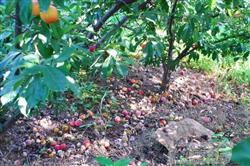
Plum trees flower easily, but often they are covered in blossoms yet carry only half a tree's worth of fruit. Heavy flowering consumes a lot of nutrients, and fruit drop is serious. Plum trees generally have three peak periods of flower and fruit drop: the first flower drop begins after flowering is complete, and the main cause is incompletely developed floral organs that have lost the ability to be fertilized or were never fertilized. The second fruit drop occurs about 29 days after flowering, when the fruit is the size of a soybean (4488, 18.00, 0.40%) seed; the young fruit and the fruit stalk turn yellow and drop, continuing until the pit begins to harden. The main cause is poor pollination and fertilization. For example, insufficient pollinator trees, a lack of pollinating insects, low temperatures during the flowering period, and pollen tubes being unable to elongate normally. The third fruit drop, also called "June drop," begins about 3 weeks after the second fruit drop, and the amount of fruit dropped is small. The main cause is insufficient nutrition; the embryo stops developing midway and then declines and dies, ultimately causing the fruit to drop.