Peanut bacterial wilt is a soil-borne disease and a major cause of peanut yield reduction.
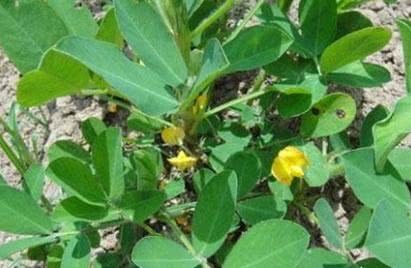
Peanut bacterial wilt is a common disease in peanut cultivation. Once it strikes, it causes peanut plants to wither and die rapidly, and the incidence rate is high, with up to 50% of plants infected by the pathogen, making it a major factor in peanut yield reduction. The prevention and control of peanut bacterial wilt is therefore particularly important. Below is an introduction to the relevant aspects of bacterial wilt.
Characteristics of bacterial wilt outbreaks
Bacterial wilt is a typical soil-borne disease, so it is very stubborn, and outbreaks occur year after year. For example, once it occurs this year, bacterial wilt will continue to break out on a large scale next year, and will also show a worsening trend.
Let's now talk about how the plants perform with bacterial wilt. In the early stages of peanut bacterial wilt, when the weather temperature rises slightly, the leaves at the top of the plant will show wilting symptoms similar to water loss. In the early stage, the wilted leaves close up but can still recover and open normally at night, while in the later stage this closing and recovery is difficult to see again.
Pulling up the plant and observing carefully, you can find that the roots of the plant will have a bluish squeeze and even bacterial ooze flowing out. The pathogen infects the plant from the roots to the top, causing the peanut to wilt and die, truly living up to its name.
Transmission routes of peanut bacterial wilt
As a soil-borne disease, bacterial wilt naturally spreads through soil. Things like soil plowing, field leveling, rainwater runoff, and even transplanting peanut seedlings can all lead to the spread of peanut bacterial wilt. For example, straw from the field being spread directly into the field without being composted will also increase the incidence rate.
Conditions for outbreak
Here, the cropping system has a very large impact on peanut bacterial wilt. For example, the incidence rate in continuous cropping is far higher than in rotational cropping fields, and paddy-upland rotation greatly reduces the incidence rate of bacterial wilt. Of course, due to differences in variety resistance, the incidence in fields will also show obvious differences. For example, Pearl peanuts generally have better resistance. The degree of field outbreak will also be much weaker. The bacterial wilt bacterium is an aerobic bacterium, so it will also show different incidence rates depending on soil differences. For example, clay soil has a lower incidence rate, while sandy soil has a higher incidence rate. At the same time, if the planting density in the field is too high, the incidence rate will also be higher.
Prevention and control of peanut bacterial wilt
From what we have introduced above, it can also be seen that for the prevention and control of peanut bacterial wilt, the key actually lies in prevention rather than treatment!
First, focus on changing the cropping system and avoid continuous cropping.
Second, apply more organic fertilizer to increase the organic matter content of the field, reduce the activity level of the bacterial wilt bacterium, and lower the incidence rate in the field.
Third, during the planting season, spread some quicklime in the field to change the soil pH and break the soil's inherent ecology.
Fourth, use disease-resistant peanut varieties.
Medication for bacterial wilt
For peanut seedlings, the pegging stage, and the full flowering stage, pesticide application can be considered for prevention and control. However, as we mentioned earlier, this kind of treatment only treats the symptoms, not the root cause. If you want a one-time complete cure, no matter how large the dosage, it is difficult to eliminate. However, this is still a way to reduce losses. You can choose Qingkuling and chlorothalonil, diluted 1000 times. Three sprayings can greatly reduce the incidence rate in the field.