Both corn and peanuts are treated with growth retardants; does rice need it too?
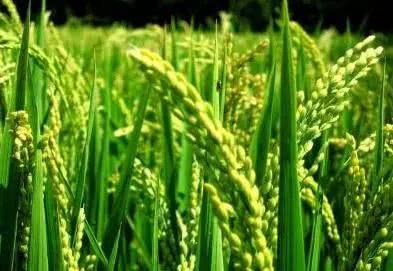
The answer is yes. Growth retardants are antagonists of gibberellin. As a plant growth regulator, they can effectively control excessive vegetative growth, promote reproductive growth, shorten internodes, and produce plants that are short, sturdy, thick, with well-developed root systems and resistance to lodging. They also deepen leaf color, thicken leaves, increase chlorophyll content, and enhance photosynthesis, thereby improving crop yield and quality.
When is the right time?
Growth retardants can enter the plant through leaves, stems, roots, and seeds, so they can be applied as seed dressing, spraying, or watering. However, the purpose of applying growth retardants differs, and so does the timing of application. Two common examples are given below to illustrate.
First, lodging resistance
Generally, rice is treated with growth retardants for lodging resistance. The principle of lodging resistance is to control the elongation of the first and second internodes at the base of the rice plant, thicken the stems, and improve lodging resistance. Therefore, application after jointing will not achieve lodging resistance. So the timing of application is particularly important. The best effect is when the first internode of rice begins to elongate, and it should not be later than the early jointing stage. Application rate: dilute 50% aqueous solution 300 times, spray the whole plant. This can dwarf the plant, resist lodging, plump the grains, and increase yield.
Second, improving resistance
To improve resistance, growth retardants can be used as seed dressing, or seeds can be soaked in a 30-fold dilution for about 10 h. The main principle is to promote well-developed root systems, increase chlorophyll content, and improve rice resistance.
Precautions: Use in plots with good water and fertilizer conditions. Before use, read the instructions carefully and control the concentration of the solution.
The above comes from Science Xingnong.