-

When to Plant Peanuts? Detailed Explanation of Cultivation and Management Key Points
The peanut is a nut with abundant yield and widespread consumption in China, also known as groundnut, longevity fruit, mud bean, foreign bean, ground bean, etc. It is an annual herbaceous plant of the genus Arachis in the Fabaceae family under the order Rosales, with production areas mainly distributed in Brazil, China, Egypt and other places, and is suitable for planting in sandy soil areas with a warm climate and moderate rainfall
-
Peanut Stem Rot: Damage Symptoms and Control Methods Explained
Peanut stem rot, commonly known as "rotten neck disease," is distributed in all peanut-growing regions across the country. It generally occurs in the middle and late stages. After infection, plants quickly wither and die, and the pods often rot or the kernels fail to fill out, causing serious losses. The disease incidence rate in ordinary fields is 20-30%, and in severe cases reaches 60-70%.
-
What are the harmful symptoms of peanut brown spot? Detailed control methods
Peanut brown spot is a fungal disease caused by infection with Cercospora arachidicola of the subphylum Deuteromycotina. It harms peanut leaves, initially appearing as small chlorotic spots, which later expand into nearly round or irregular small spots. The lesions are larger and lighter in color than those of black spot disease, appearing dark brown or tea-brown on the upper leaf surface and brown or yellowish-brown on the underside, with a bright yellow halo around the lesions.
-
How to prevent and control peanut southern blight? First, recognize the damage symptoms
Peanut southern blight is one of the main diseases harming peanuts. After the roots, pods and stem base of the peanut are affected, they initially become brown and soft-rotted. White silky mycelium appears at the root-stem area of the aboveground part. White silky threads often first form at the stem base near the ground and on the nearby soil surface, and the diseased part gradually turns dark brown and glossy.
-
How much do peanut seeds cost? Detailed guide to growing methods
The peanut is a widely eaten nut, also known as the groundnut, longevity fruit, mud bean and so on. It is an annual herbaceous plant of the genus Arachis in the legume family, with abundant root nodules on its roots and an upright or prostrate stem. It is widely cultivated throughout our country, preferring warm climates and sandy soil areas with moderate rainfall, and it has a long growing season
-
How to Grow and Manage Peanut Sprouts
Peanut sprouts are a food that serves both as food and medicine. They can be eaten raw and are especially rich in nutrients. Their energy, protein and crude fat content ranks first among all vegetables, and they are rich in vitamins, minerals such as potassium, calcium, iron and zinc, and the various amino acids and trace elements the human body needs. They have very high prospects for cultivation.
-
What fertilizer is best for planting peanuts? Detailed explanation of fertilization principles and methods
Peanuts are one of the main cash crops in China, and the planting area in China is also quite large. They are rich in nutrients such as fat and protein, and have extremely high nutritional value for people. Fertilization is essential during the growth process of peanuts, and applying fertilizer well is the prerequisite for improving peanut yield and quality.
-
Where Is the Place of Origin of the Peanut? Understanding the Cultivation History of Peanuts in One Article
The peanut is a nut with abundant yields and widespread consumption in China, also known as the groundnut, the "longevity fruit," and the earth bean, among other names. It is an annual herbaceous plant of the order Rosales and the family Fabaceae (Leguminosae), best planted in warm climates with moderate rainfall in sandy soil areas, and is mainly distributed in Brazil, China, Egypt, and other places.
-
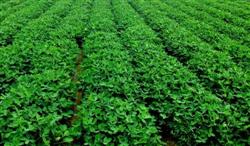
Peanut Cultivation Techniques: What Role Do Micronutrient Fertilizers Play in Peanuts?
What role do micronutrient fertilizers play in peanuts? Please provide an introduction. Micronutrient fertilizers play an extremely important role in the growth and development of peanuts, and rational application delivers high output for low input. Although farmers have some understanding of this, they apply them blindly, often failing to achieve the goal of increasing yield. Therefore, in production practice, scientific application should be based on the peanut's requirement for micronutrient fertilizers...
-
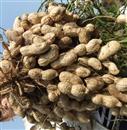
How to Grow Peanuts for High Yield? A Detailed Guide to Peanut Cultivation Techniques
How can peanuts be grown for high yield? Please introduce the cultivation methods. To grow peanuts, you can refer to the following methods: 1. The key to good seed selection: For high-yield irrigated land, choose the peanut varieties Fenghua No. 1 and Huayu No. 16; for semi-dry plots, choose Huayu No. 17 and Luhua No. 8. Huayu No. 16 is a high-yield, high-quality variety with large pods and...
条件筛选