-

Occurrence Patterns and Control Methods of the Rice Water Weevil
The rice water weevil is an internationally recognized agricultural plant quarantine pest. It first occurred in the Americas, and the countries in Asia where it occurs include Japan, South Korea, North Korea, and others. The place where the rice water weevil was first discovered in China was Tanghai County, Hebei Province, in 1987. The area where the rice water weevil was first discovered in our province was Ji'an City in the Tonghua region in August 1993. At present, this pest occurs to varying degrees in most areas of Heilongjiang Province. I. Degree of damage caused by the rice water weevil. The rice water weevil mainly damages rice, and also damages some
-
Occurrence Patterns and Control Methods of Viral Diseases in Solanaceous Crops
In the southern Guangxi region, the winter climate is warm with no obvious frost, making it a great place for growing winter vegetables to be shipped from the south to the north. Therefore, after harvesting the late rice, farmers grow winter vegetables to supply the market after the Spring Festival, achieving relatively high economic returns and writing a new chapter of "the plan for the year lies in autumn and winter." This has become another way for local farmers to get rich and move toward a moderately prosperous life. Among the many vegetable varieties grown, solanaceous vegetables (tomato, pepper, eggplant) are favored by local farmers for their unique planting advantages. According to statistics, the perennial planting area is around 80,000 mu, and the planting area is predicted to keep rising year by year.
-
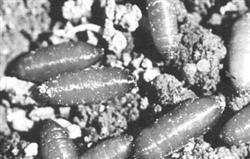
A Detailed Explanation of the Occurrence Patterns and Control Methods of Garlic Root Maggots
Root maggots is the collective term for the larval stage of Diptera pests that damage garlic and other crops. In recent years, the occurrence of garlic root maggots has shown a trend of increasing year by year. Root maggot damage can cause garlic yield reduction and has a major impact on garlic quality, with severe damage leading to serious economic losses. Garlic root maggots (larvae) generally gather on garlic roots and...
-
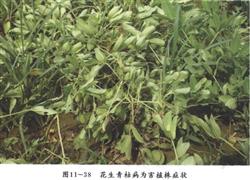
How to prevent and control peanut bacterial wilt? Understanding the patterns of occurrence is key
Peanut bacterial wilt, commonly known as "green wilt", "seedling death", "plague", and "vine death", is a major disease in peanut-growing areas. In ordinary plots, the disease incidence is 10%-25%, and in severely affected plots the incidence reaches over 50%. Peanut bacterial wilt is a typical vascular disease that can occur throughout the entire growth period of peanuts, but...
-
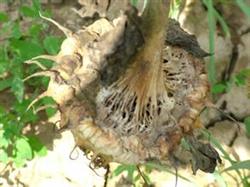
Occurrence patterns and control methods of sunflower sclerotinia rot
As the pace of planting structure adjustment accelerates, market demand for confectionery-type sunflower seeds is increasing day by day. Sunflower is an economical crop that is easy to manage and saves labor and effort. Because field management is too extensive and because of years of continuous cropping on the same land, many diseases have occurred and spread and have worsened year by year, directly causing sunflower yields to decline...
-
Occurrence Patterns and Control Methods of the Potato Tuber Moth
The potato tuber moth, also known as the potato borer and the tobacco leafminer, is commonly called the "string-skin worm," "embroidery worm," and "potato maggot" by farmers. 1. Damage symptoms: The larvae cause damage mainly by boring and feeding, usually entering through the buds and broken skin of the tubers. Larvae hatched on the plant spin silk and spread with the wind, boring from the leaf surface into the leaf interior to feed and cause damage. After the damaged leaves wither and die, the larvae move to other leaves to cause damage. 2. Occurrence patterns: The potato tuber moth produces several generations a year, overwintering in various stages on mother tubers in the field and on the residual plants and fallen leaves of various hosts. Adult
-
How to prevent and control garlic heart rot? Occurrence patterns and integrated control techniques
In recent years, the garlic industry in Pizhou City has developed rapidly, with the planting area growing from 3,333 hectares in the 1970s to 33,000 hectares in 2004, making it the largest garlic production area in the country and a national standardized high-quality garlic production demonstration county (city). However, with the expansion of garlic cultivation area and the extension of continuous cropping years, various pests and diseases have become increasingly severe, especially the damage from garlic heart rot, which has worsened year by year and seriously affects garlic yield and quality. 1 Occurrence patterns and damage symptoms ① Occurrence patterns In late February 2002
-
A Detailed Explanation of the Occurrence Patterns and Control Methods of the Ginger Stem Borer
The ginger stem borer (also known as the corn borer, belonging to Lepidoptera, Pyralidae) is a major pest harming ginger. It has a very mixed diet; when causing damage, the larvae bite and feed on the tender stems, then bore into the stem (with frass and insect droppings accumulating at the entry hole), blocking the transport of water and nutrients, causing the stems and leaves above the bore hole to turn yellow and wilt, and they break very easily under external force. 1. Occurrence patterns. The ginger stem borer generally occurs 3-4 generations per year in our area, and the concentrated damage period coincides exactly with the vigorous growth period of the ginger plants. The larvae move from plant to plant causing damage, and finally the mature larvae
-
A Detailed Explanation of the Occurrence Patterns and Control Methods of the Ginger Borer
The ginger borer (also known as the corn borer, belonging to the Lepidoptera order and the Pyralidae family) is a major pest harming ginger. It has a very diverse diet; when causing damage, its larvae bite and feed on tender stems, then bore into the stalk (with frass and insect droppings accumulating at the entry hole), obstructing the transport of water and nutrients, causing the stems and leaves above the bore hole to turn yellow and wilt, and to break very easily under external force. 1. Occurrence patterns. The ginger borer generally produces 3-4 generations per year in our area, and its concentrated damage period coincides exactly with the vigorous growth period of ginger plants. Larvae move between plants to cause damage
-

How to fertilize napa cabbage? Master the fertilization patterns and methods
Fertilization patterns and methods for napa cabbage
条件筛选