-
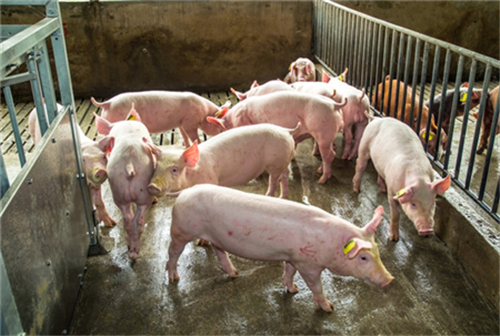
Decay Patterns of Maternal Antibodies in Piglets and Reference Immunization Ages
Decay Patterns of Maternal Antibodies in Piglets and Reference Immunization Ages
-

Detailed Explanation of the Main Symptoms and Onset Patterns of Eel Hyperactivity Disease
Caused by Eel Coronavirus-like Virus. Main symptoms: 1) Diseased eels dart erratically up and down in the water at the pond edge, or roll and spin, or swim backwards, with occasional paroxysmal spasmodic trembling or twisting of the head, mouth open, followed by death shortly after. There are no obvious external lesions, though slight congestion or ulceration may sometimes be seen in the oral cavity, anal fin, and pectoral fin areas; necropsy may reveal swelling of the liver or kidney. 2) In the early stage of onset, a small number of eels swim irregularly at the pond edge, swimming weakly, with intermittent head twitching, spinning and rolling, or backward movement. After a few days, a large number of eels show similar symptoms, with paroxysmal trembling of the head, and after frantic swimming at the water surface they die quickly; newly dead eels are rigid with the mouth open. The body surface of diseased fish is intact, but the lower jaw shows varying degrees of ulceration or congestion. Some diseased fish have congestion or ulceration in the oral cavity, anal fin, and tail. Most diseased fish have bright red gill filaments and pale red liver, and some have swollen kidneys. In diseased eels, red blood cells, hemoglobin, and serum chloride ions are significantly elevated, while blood urea nitrogen content is significantly decreased, and serum cholinesterase is reduced. At present, because understanding of this disease is still lacking, diagnosis can only be based on the above main symptoms. It mainly occurs in European eels and African eels, with the high-temperature summer period as the peak epidemic season, hence it is also called European eel summer hyperactivity disease. From the start of onset to the peak period is about 7 days, and mass mortality occurs about 15 days after onset; the speed of spread and transmission is very fast, and it readily forms outbreaks and epidemics.
-
What are the activity patterns of snakes? A detailed explanation
1. What are the activity patterns of non-venomous snakes? Snakes' activities follow certain patterns. Since the distribution of snake species differs, the activity patterns of snakes also differ markedly. Taking Shandong Province as an example, the activity patterns of non-venomous snakes are roughly as follows: around mid-April (Gregorian calendar) each year, when the outside temperature slowly rises to 15-18°C, all kinds of snakes wake from hibernation and crawl one after another from their hibernation dens to the entrance of the den or to sunny spots to bask. After May, once the temperature has basically stabilized, the snakes leave their dens to move about, drink water, and seek mates to copulate. However, they are not very interested in the food provided
-
What Are the Patterns of Estrus in Female Foxes? A Detailed Explanation
During the resting period, the vulva of a female fox is covered by pubic hair, making it hard to detect; during estrus, the pubic hair parts only because the vulva becomes swollen. The estrus period of female foxes is short, mating is relatively difficult, and the optimal timing for mating is also hard to determine; in particular, silver-black foxes have a relatively high rate of failed conception. To improve the reproduction rate, it is necessary to understand the estrus patterns of female foxes and mate or perform artificial insemination at the right time. The estrus period of female foxes can be divided into three stages: Stage one: the vulva begins to swell, the clitoris enlarges, and the female begins to show signs of attraction to males and sexual excitement; this generally lasts
-
Occurrence Patterns and Control Methods of the White-Spotted Flower Chafer
The white-spotted flower chafer belongs to the order Coleoptera, family Cetoniidae, and is also known as the white-striped copper flower chafer, white-spotted flower chafer, white-spotted golden chafer, and copper chafer. It is distributed in Northeast China, North China, and the Huang-Huai-Hai region. When the white-spotted flower chafer damages crops, the market quality is greatly reduced in mild cases, and completely lost in severe cases, bringing relatively serious economic losses to growers. Hosts Currently, the hosts of the white-spotted flower chafer include corn, sunflower, tomato, watermelon, peach, grape, plum, strawberry, hop, the large composite weed bull thistle, willow, and elm. Damage characteristics The
-
Disease Occurrence Patterns and Prevention Methods for Pigs at Different Rearing Stages
Disease Occurrence in Pigs at Different Rearing Stages Incidence Rates of the Three Major Infectious Diseases of Pigs Hog cholera, swine erysipelas, and swine pasteurellosis are collectively known as the three major infectious diseases of pigs. In China, the overall mortality rate of affected pigs accounts for about 8% of the total reared population, and even in areas with relatively good prevention and control, pig mortality stands at 5%. Therefore, the level of pig disease prevention and treatment should be improved. If the overall pig mortality rate could be reduced by one percentage point each year, that would be equivalent to an additional 5 million pigs sent to market - what a tremendous amount of wealth that represents. According to relevant statistics, among the causes of pig deaths, those caused by
-
What are the patterns of silkworms spinning silk and forming cocoons? A full explanation of the process
The life of a silkworm goes through 4 stages: egg, larva, pupa and adult. The larval stage of the silkworm is what people call the silkworm baby stage. What is usually called sericulture refers to the rearing of the larvae. From hatching to cocoon spinning, the larva must go through 4 molts. People therefore divide the course of the larva into 5 instars. During the period before molting, the silkworm does not eat or move, which is called sleeping. From the first to the fourth instar, the silkworm must sleep 4 times; in the later stage of the fifth instar, it no longer sleeps, but spins silk and forms a cocoon, and pupates inside the cocoon, thereby completing the larval stage of the silkworm. Newly hatched silkworms are called ant silkworms, and newly molted
-
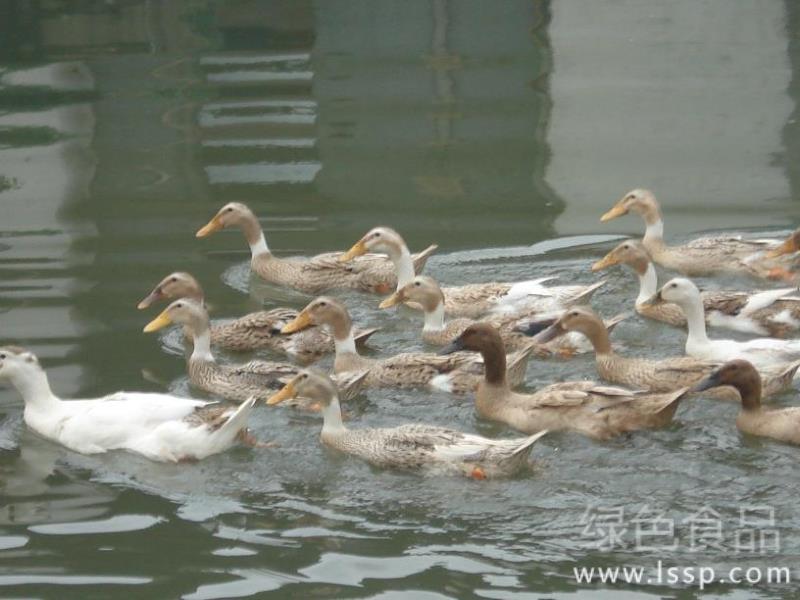
Master the five patterns of scientific duck raising for better returns
Only reasonable duck raising brings good returns; scientific duck raising requires mastering five patterns
-

What are the living habits of scorpions? A comprehensive analysis of scorpion behavior patterns
The living habits of scorpions
-

What are the changing patterns of the physiological habits of laying hens?
The changing patterns of the physiological habits of laying hens
条件筛选