-
What types of pests and diseases affect bayberry? Occurrence patterns and green control techniques in Zhejiang
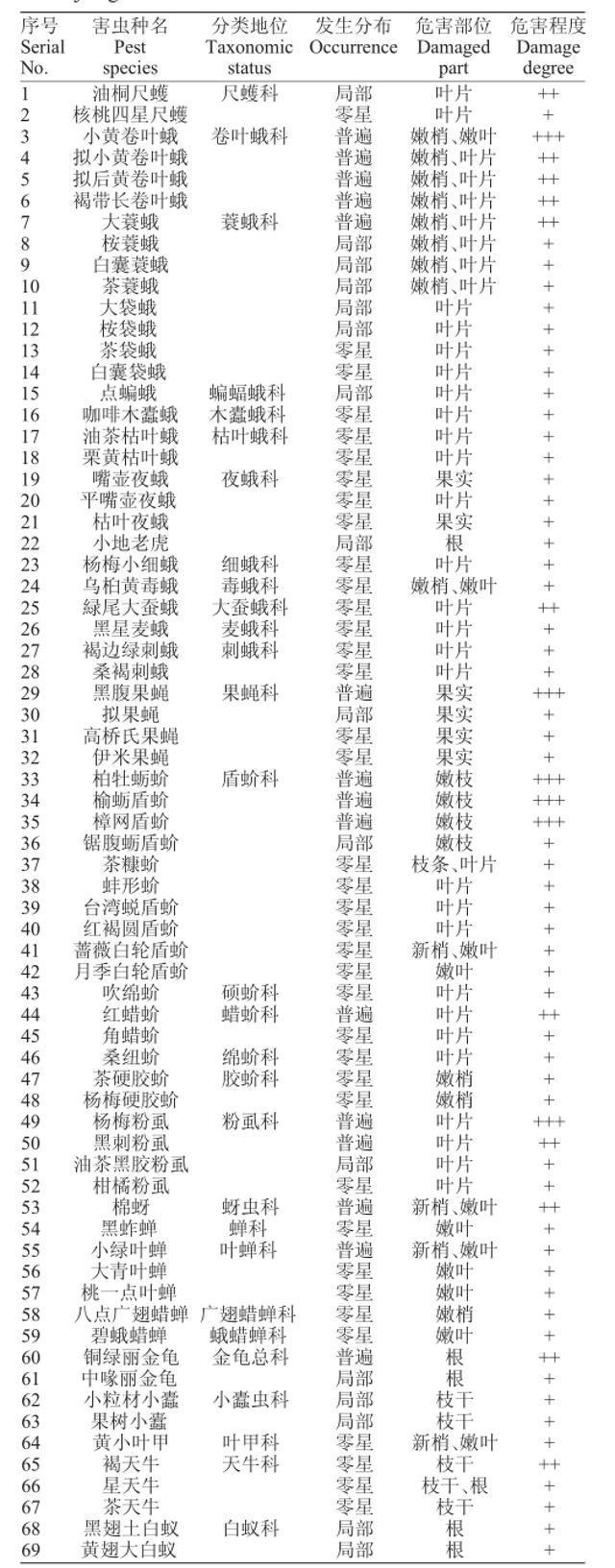
Species and Occurrence Patterns of Bayberry Pests and Diseases in Zhejiang Province and Their Green Control Techniques 0 Introduction [Research significance] Bayberry [Myrica rubra (Lour.) Sieb. et Zucc.] is a distinctive fruit of southern China, with a sweet-and-sour taste and unique flavor, enjoying a high reputation both domestically and internationally. Zhejiang Province is the main bayberry production area in China, with a total planting area of 86,500 ha, accounting for about one-third of the national total, an annual output of about 500,000 t, and an output value of 4.83 billion yuan, ranking first in output value among fruits in Zhejiang Province. It is the leading industry for farmers in mountainous and semi-mountainous areas of Taizhou, Wenzhou, Ningbo, Lishui, and Jinhua. In recent years, the bayberry industry in Zhejiang has developed rapidly, especially with the continuous expansion of the planting area of Dongkui bayberry, and the occurrence of pests and diseases has shown an increasingly severe trend, with heavy control tasks and great safety hazards. Therefore, identifying the main pest and disease species and their occurrence and damage patterns in Zhejiang bayberry, and proposing control strategies and green control techniques, is of great significance for ensuring the sustainable and healthy development of the bayberry industry and increasing farmers' income. [Previous research progress] To date, there have been many studies on the main pests and diseases, occurrence patterns, and control techniques of bayberry in various main production areas of Zhejiang Province. Wang Hongxiang et al. (1999), Gong Jieqiang and Wang Hongxiang (2002) reported that the main diseases damaging bayberry in Taizhou City, Zhejiang Province include brown spot disease, cancer disease, red coat disease, dieback disease, branch rot disease, and shoot blight disease, and the main insect pests include scale insects, whiteflies, oil tung geometer moths, leaf roller moths, bagworm moths, and termites. They analyzed the reasons for the increase in pest and disease occurrence and proposed corresponding control measures, but did not go deep into specific pest and disease species investigation and green control techniques. Liu Yougao et al. (2006) reported the occurrence characteristics and control techniques of bayberry cancer disease, brown spot disease, scale insects, and moths in Wenzhou City, Zhejiang Province, but there has not yet been a systematic investigation of other pest and disease species of bayberry, and most of the chemicals introduced in chemical control are not registered on bayberry, making safe pesticide use a difficult problem. Liu Gaoping et al. (2013) and Zou Xiuqin et al. (2015) reported simple net-room cultivation and green control techniques for Dongkui bayberry. Ren Haiying et al. (2014) reported the occurrence and control of bayberry wilt disease and slug moth pests. [Entry point of this study] From the overall research status, the investigation of bayberry pest and disease species and control techniques in Zhejiang is still not systematic and in-depth enough, and the various measures of agricultural, biological, physical, and chemical control still lack organic coordination and matching, thus affecting the implementation of integrated control techniques and the improvement of economic, social, and ecological benefits. [Key problems to be solved] Using a combination of systematic general survey and fixed-point monitoring, experimental research, and demonstration and extension, the main pest and disease species, distribution, and damage conditions of bayberry in the main production areas of Zhejiang Province were investigated, and the green control techniques and integrated management strategies for main bayberry pests and diseases were explored, providing a scientific basis for bayberry pest control.
-
Symptoms, Occurrence Patterns and Causes of Pear Brown Spot Disease and Its Control Measures
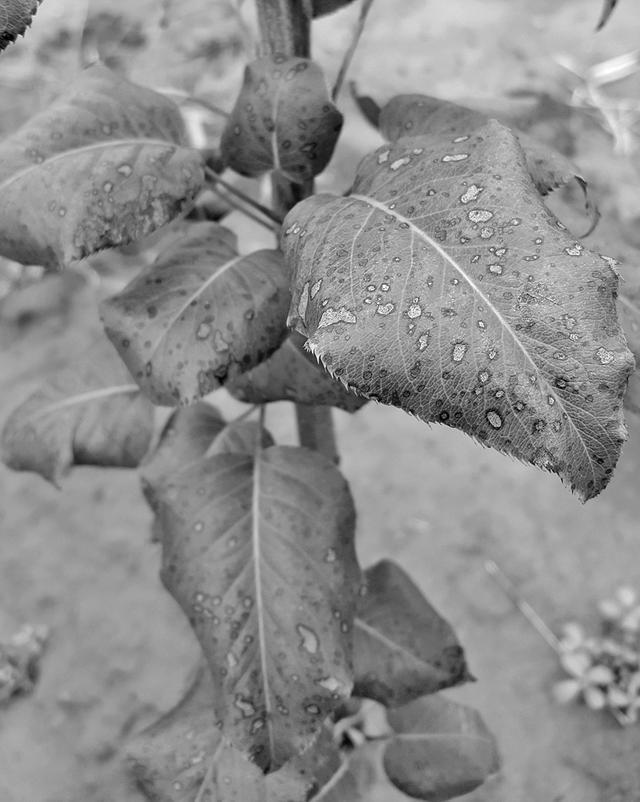
Symptoms and Patterns of Pear Brown Spot Disease, Causes of Occurrence and Control Measures 1 Symptoms and Patterns of Occurrence 1.1 Symptoms In the early stage, the leaves of affected pear trees show grayish-white dot-like spots measuring 1-2mm with clear edges, which gradually expand into...
-
How Many Times Does a Lily Bloom in a Year? A Detailed Explanation of Its Flowering Pattern
How Many Times Does a Lily Bloom in a Year
-
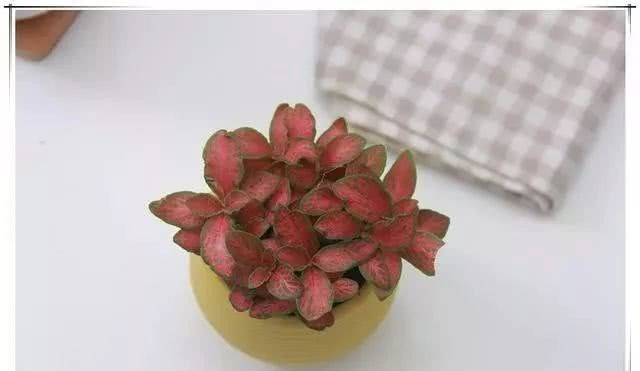
Fittonia has elegant, delicate leaf colors with clearly defined veins and well-proportioned patterns.
Naodong Handmade You have 40 friends following this official account! Fittonia is a fairly popular small potted plant right now. It is compact and comes in many varieties, and is deeply loved by plant enthusiasts. A short little plant, it has striking red and green leaves, pink...
-
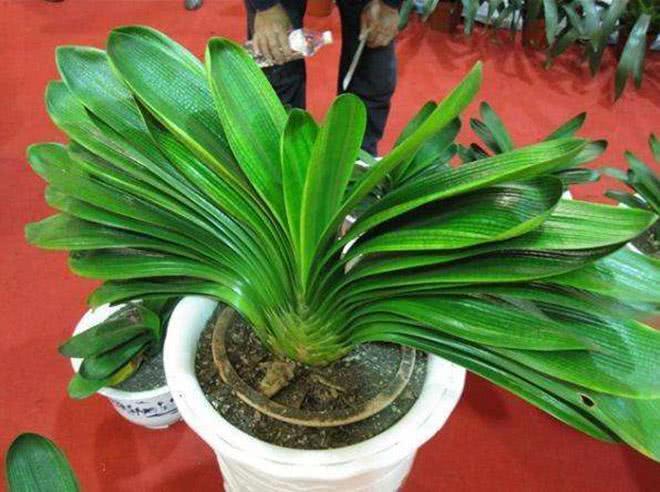
Thick leaves, deep leaf patterns, and fast flower spike emergence in clivia all depend on this little trick
Many people love growing clivia, but few grow it well. Many flower enthusiasts ask, how can we grow clivia well? We need to talk about it from several aspects. 1. If you want clivia to grow well, fertilizer and water must keep up. The soil should be...
-

What to Do About Flower Pests and Diseases in Autumn? Occurrence Patterns and Control Methods
The Occurrence and Control of Flower Pests and Diseases in Autumn
-
Flower watering methods for different seasons and the occurrence patterns of rust disease in seedlings
Occurrence patterns of rust disease in flowers and seedlings
-
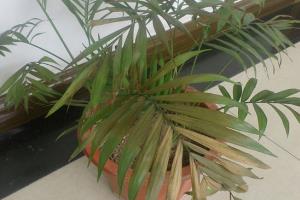
How to prevent and treat leaf blight in areca palms? Understand the disease pattern to prevent and treat it early
Understand the pattern and treat promptly: areca palm leaf blight
-
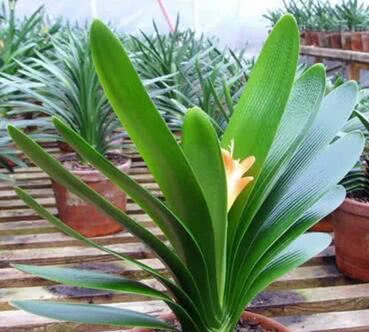
After the weather turns cool, water the Clivia with "root-nourishing water" - it grows grid-patterned leaves and shoots out 3 flower spikes, with great results
After the weather turns cool, water the Clivia with "root-nourishing water" - it grows grid-patterned leaves and shoots out 3 flower spikes, really works! As people's living standards rise, more and more people like to keep a pot of flowers at home. According to surveys, the higher people's living standards...
-
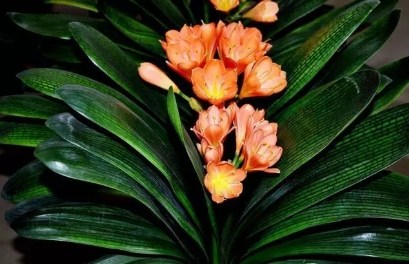
Before Mid-Autumn, water the clivia with this and it will grow grid-patterned leaves, with strong roots and leaves and more flowers
As people's living standards improve, more and more people have fallen in love with growing flowers. It is said that growing flowers has already become a nationwide activity. In fact, the benefits of growing flowers are truly many. In summary, growing flowers has the following benefits: 1. A pot of flowers at home...
条件筛选