-
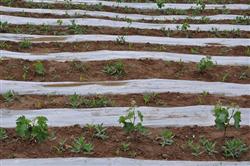
How to manage newly planted grapevines? These technical points need to be mastered
For grapes planted in the same year to bear fruit early and produce a high yield, the following measures should be carried out well in cultivation and management: Fertilization should be frequent and light. During the grape growing season, fertilization should be done frequently and lightly to reduce fertilizer burn and waste, thereby promoting good growth and development of new shoots and laying a solid foundation for early shaping, early fruiting, and high yield...
-

How to manage Chinese cabbage during the head-forming stage? Mastering these key points is essential
How should Chinese cabbage be managed during the head-forming stage?
-

How to fertilize napa cabbage? Master the fertilization patterns and methods
Fertilization patterns and methods for napa cabbage
-
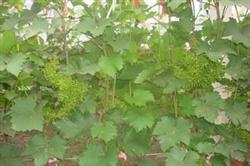
How to care for grapes during the flowering and fruiting period? Master these key points
1. Strengthen fertilizer and water management. In production, fertilizer and water management must be carried out according to the phenological stages of grape growth and development. In addition to deep plowing, fertilizing and improving the soil when planting grapes, fertilization and irrigation should also be carried out at each growth stage according to the needs of grape growth and development. 1. After the grapevines are uncovered...
-
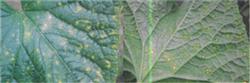
How to prevent pumpkin leaf spot? Mastering these methods is key
Pumpkin leaf spot mainly damages leaves and flower stalks. The pathogen overwinters in the soil with diseased plant debris. In spring, the pathogen spreads via splashing rainwater. In the early stage of the disease, leaf spots are round to nearly round or irregular in shape. The leaf margins are dark brown, and the junction between diseased and healthy tissue appears water-soaked. When humidity is high, dense small black dots form on the spot surface, and in severe cases the leaf spots merge, causing the leaves to partially...
-
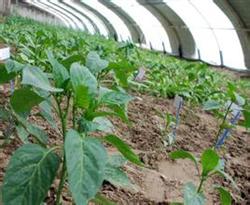
Detailed Explanation of Pepper Seedling Transplanting Methods, Master All Key Technical Points
1. Transplanting and irrigation. Transplanting can be done after the disastrous weather in early April, generally from April 15 to 25. When transplanting, pepper seedlings are required to be 16-17 cm tall, with 8 true leaves, and a seedling age of 50-60 days. Two plants per hole, irrigate promptly after planting to ensure the survival rate of planted seedlings. One week after transplanting, replenish water promptly according to soil moisture conditions. 2. Intertillage...
-
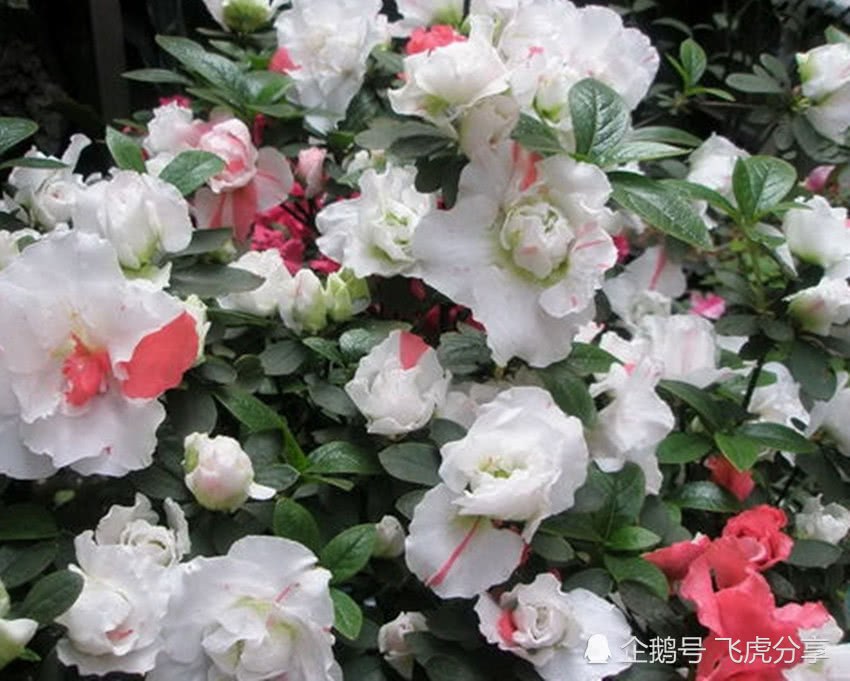
Rare Five Treasures azalea, multiple colors on a single plant, stunningly beautiful and truly a masterpiece
Five Treasures Green Pearl is a summer azalea variety, also known as the Chinese azalea. It is a rare azalea treasure produced in our country, an evergreen broad-leaved shrub or small tree. Its blooming period is from May to August, mostly white, with red stripes and spots, and it is also called Red Dragon Lying on Snow and Colorful-Striped Azalea. Flower...
-
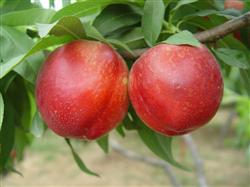
Detailed Explanation of Key Nectarine Cultivation Techniques, Easy for Beginners to Master
Nectarine cultivation techniques are basically the same as those for other peach trees, but in order to fully preserve the characteristics of the variety and achieve high and stable yields, the following key cultivation techniques are proposed: 1. Site selection. Nectarine has a relatively short dormancy period, sprouts and blooms early, likes sunlight, is not tolerant of shade, fears waterlogging, and is not suitable for clay soil. Therefore, plots should be selected that have relatively high temperatures...
-
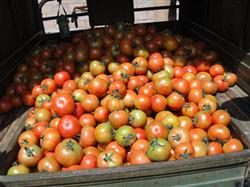
How to store tomatoes in winter? Master the correct preservation method
The key to storing tomatoes in winter is keeping them warm. Tomatoes used for winter storage are green-mature fruits harvested from plastic greenhouses with delayed autumn cultivation. Green-mature tomatoes are most afraid of low temperatures. If stored below 8°C for a long time, the fruits will suffer cold damage, with water-soaked sunken spots and browning on the surface, the area around the stem turning light brown, and in severe...
-
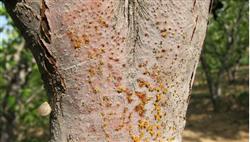
How to prevent and control pear tree canker? Mastering these methods is enough
1. Strengthen the tree to prevent disease: (1) Reasonable load: According to the tree's growth condition and fertilization level, determine an appropriate fruit load. Do not let the tree bear too heavy a load, and even less should you adopt excessive measures such as branch bending and girdling to increase fruit production for short-term gain. Properly thin flowers and fruits so that both fruiting and tree growth are achieved. (2...
条件筛选