-
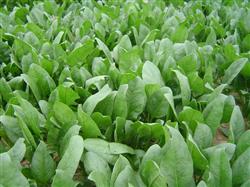
A detailed guide to four-season spinach cultivation techniques: master the key points for growing year-round
1. Sowing time and varieties. Autumn spinach is the main crop in spinach production, generally sown from August to September, but sowing can also be advanced to July or delayed to early October; after sowing, it can be harvested in batches in 30-40 d (days). Variety selection requirements are not strict, but for early-autumn spinach it is best to choose early-maturing varieties that are more heat-tolerant and fast-growing, such as Litou spinach, Huabo...
-
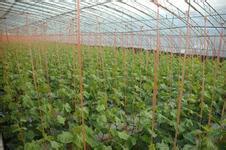
How to fertilize cucumbers as a top dressing? Master these key fertilizing points
Cucumbers are very sensitive to fertilizer. When applying top dressing, pay attention to the following points: 1. From transplanting until the first fruit sets, fertilize according to the condition of the seedlings and control the amount. In the early stage of cucumber growth (generally within one month after transplanting), the soil temperature is still low. If too much fertilizer or water is applied, "root rot" will occur. This is because the root system has weak activity and cannot fully...
-
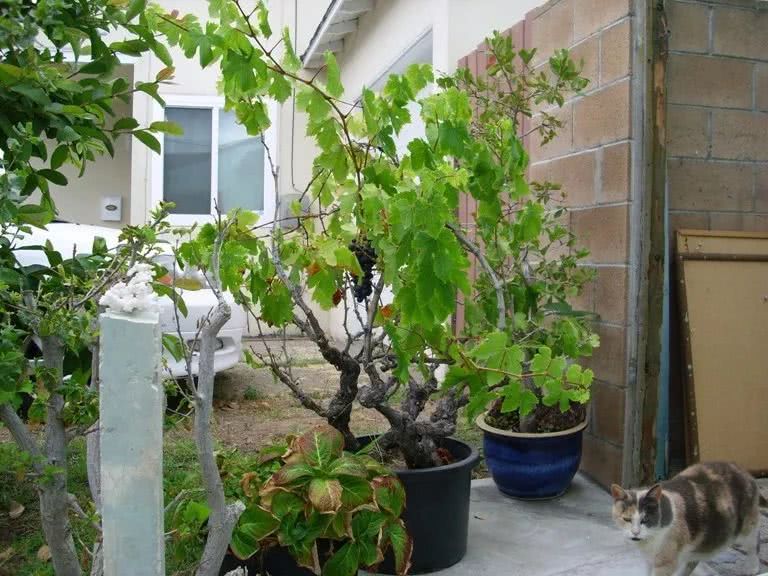
Can grapes grown in balcony flower pots bloom and bear fruit? Master these tips
Grapes are a very delicious fruit that can be cultivated on terraces and balconies. They are very easy to grow, and with proper care they can be kept for 100 years. Keep the growing location with plenty of light, keep the environment ventilated and well-lit, and in a flower...
-
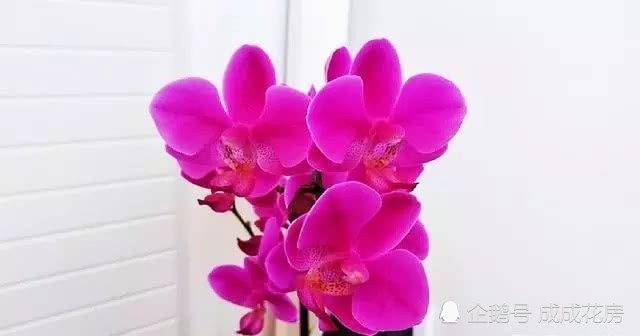
How do you care for a Phalaenopsis so it blooms? Master these care methods
Yesterday a flower friend left a message saying they especially love Phalaenopsis and asked Chengcheng to explain in detail how to care for Phalaenopsis well! Actually, Chengcheng also especially loves Phalaenopsis, and always feels it has a special kind of beauty! Although Phalaenopsis is beautiful, it is not...
-
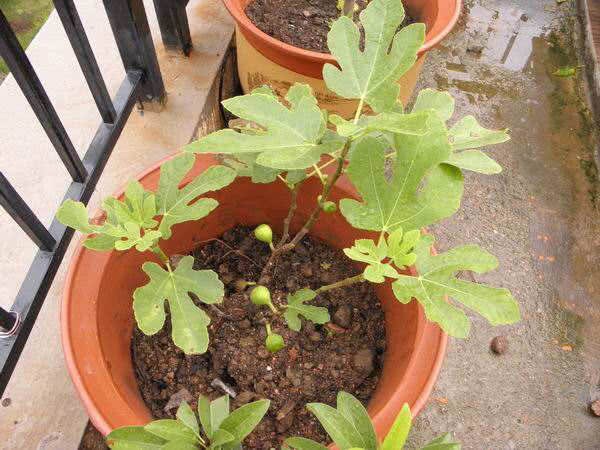
What to do when figs bear little fruit? Master this trick and the branches will be full of fruit, one fruit per node
Figs taste sweet and delicious and are very nutritious; they are even said to help prevent cancer. In fact, we can grow a potted fig ourselves at home, on a terrace or balcony. The method is simple, and even someone who cannot grow flowers can keep one healthy. Some...
-
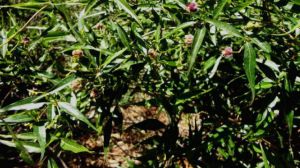
How to identify Periploca sepium? Master these methods to recognize it easily
Root and stem: the main root is cylindrical, the outer bark is grayish-brown, the inner bark is pale yellow, and the stem bark is grayish-brown. Leaves: 5-9 cm long, ovate-oblong, with a relatively pointed tip, dark green on the upper surface and light green on the underside. Flowers: purplish-red, the corolla tube is relatively short, 3 mm long, and the calyx lobes are ovate.
-
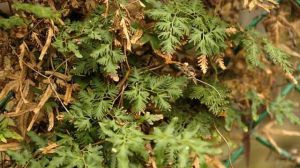
How to identify Lygodium japonicum? Mastering these identification methods is enough
Morphological identification: Lygodium japonicum is a perennial herbaceous plant, with a height of about 1 to 5 m. The rhizome below grows horizontally and is relatively tough in texture. Leaf identification: the small short branches on the stem are distributed symmetrically on both sides, and short hairs are sparsely distributed on the leaf rachis. In summer, fringe-like spikelets grow along the lower edges of the leaves.
-
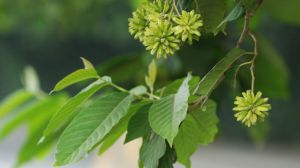
How to identify the Chinese happy tree? Mastering these identification methods is enough
Trunk: The Chinese happy tree is a tall deciduous tree, reaching a maximum height of over 20 m. The bark is gray, and the branches are relatively slender. New branches are purple-green, while those of many years are mostly brown. Leaves: The leaves of the Chinese happy tree have a papery texture and grow in an elliptical shape. They are relatively large, reaching 15-28 cm. The upper surface of the leaves is bright green, and the lower surface is light green. Flowers: The inflorescence of the Chinese happy tree is nearly spherical, and the petals are pale green. The flowering period is from May to July.
-
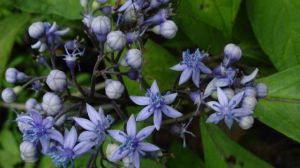
How to identify Dichroa febrifuga? Master the correct identification method
Leaves: The leaves of Dichroa febrifuga are usually elliptical, obovate, elliptic-oblong or lanceolate, with the apex gradually tapering to a point, serrated margins, and no hairs on the leaf surface. Flowers: Its flowers are terminal corymbose panicles, white or blue. Fruit: The berries are blue, usually 3 to 7 mm in diameter.
-
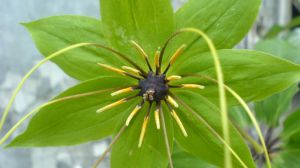
How to identify Paris polyphylla? Master these few characteristics
Morphological identification: The plant height of Paris polyphylla is 35 to 100 cm, and its color is purplish red. Leaf identification: Its leaves are oblong, elliptical, or obovate-lanceolate, and the petioles are relatively obvious. Flower identification: The outer tepals are green, the pedicel is about 5 to 16 cm long, and the inner anthers are relatively short.
条件筛选