-
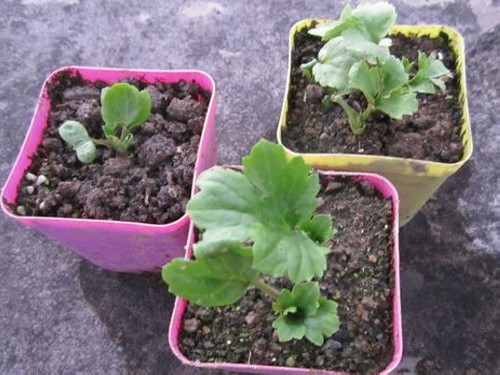
A Detailed Guide to Growing Ranunculus: The Complete Process from Sowing to Care
Ranunculus, also known as Persian buttercup or celery-leaved peony, is a perennial bulbous flower of the Ranunculaceae family. Ranunculus flowers are large and beautiful, often planted under trees, in clumps in lawns, and on the shady side of buildings; they are also suitable for cut flowers or potted cultivation.
-
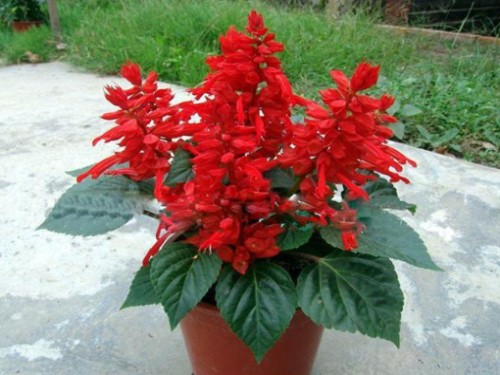
How to Grow and Care for Potted Scarlet Sage
Scarlet sage (Salvia splendens) belongs to the Lamiaceae family and is a perennial herbaceous plant, but as a flowering plant it is only cultivated as an annual or biennial. Plant height varies by variety, mostly between 30-80. The stem of scarlet sage is four-angled and green in color. The leaves are mostly triangular, with serrated edges. The flowers are borne in spikes, with a red corolla.
-
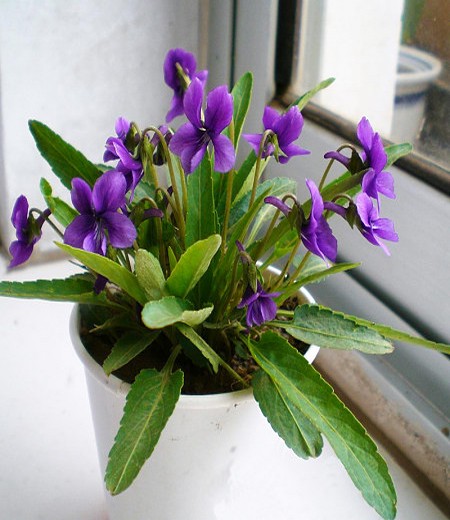
What are the cultivation methods for growing Viola mandshurica (purple-flowered violet) at home?
In spring, there is an inconspicuous little flower on the ground called Viola mandshurica. It is not particular about soil, is extremely adaptable, and easy to propagate. Although it is not as prestigious as the rose, Viola mandshurica has great value. Viola mandshurica blooms early and in a concentrated period; the plant is low-growing, grows neatly, and the clumps are compact.
-
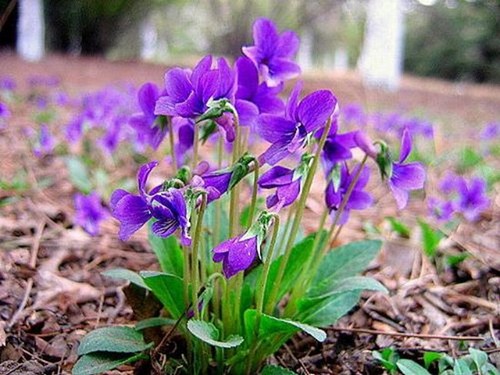
Detailed Guide to Planting Techniques and Management Methods for Viola mandshurica (Chinese violet)
After autumn, the stems and leaves of Viola mandshurica remain as green as ever, with small needle-like fruits beside the flowers, and the above-ground parts do not wither until early winter. Therefore, it is an excellent ground cover plant, and can also be planted in gardens to decorate flower borders or nestle into lawns. Viola mandshurica is a common ground cover plant, a perennial herb with a plant height of 10-15 cm. Because its flowers are purple
-
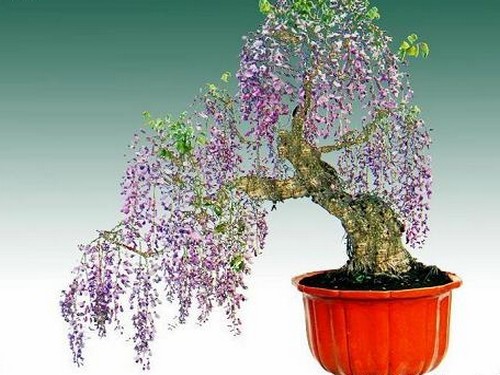
How to Grow Wisteria: A Complete Guide to Wisteria Planting Methods
Wisteria is a large woody deciduous climbing vine in the genus Wisteria of the Fabaceae family. Its stems twine, its branches and leaves are dense, and in early summer its purple flower clusters hang down, abundant and fragrant; in the height of summer its thick foliage covers the trellis, laden with seed pods. It is an excellent flowering climbing plant. It can be propagated by seed, cuttings, grafting, layering, and division.
-
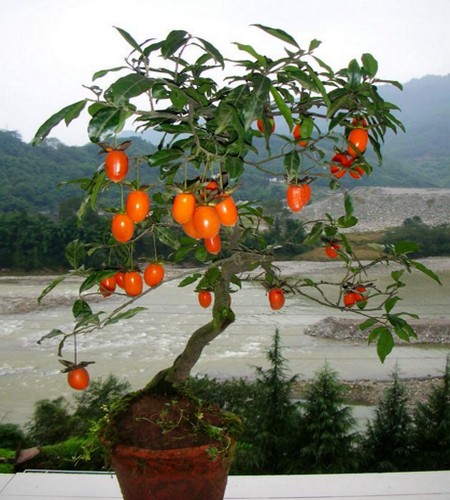
Detailed Guide to Cultivating Fruiting Golden Bullet (Diospyros cathayensis) Bonsai
Nature paints scene after scene of colorful pictures with its ever-changing magic brush, for us to enjoy to the fullest. Nature is the best bonsai master! Every time Sister Hua wanders into the wild and comes across a fine view, she snaps away with her camera, hoping that one day she can move that natural beauty back home. Trees planted on stone, stone placed in a pot
-
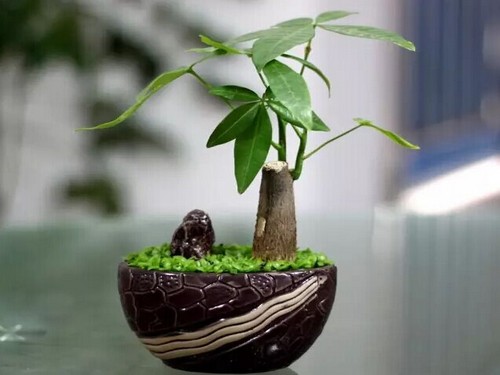
A Complete Guide to Growing Money Tree (Pachira aquatica) in Pots
The money tree has become an increasingly popular choice for indoor greenery. The optimal growing temperature for potted money trees is 20-30°C, and indoor temperatures in winter should be kept above 10°C. They thrive in loose, fertile, well-drained, slightly acidic sandy loam soil. Common cultivated varieties include the leaf-bearing money tree and the large-flowered money tree.
-
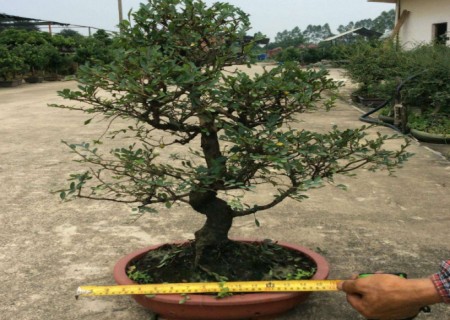
How to make a zelkova bonsai? A detailed guide to the complete production method
Wild zelkova trees often have tall and majestic forms, broad crowns, and very graceful shapes. Their leaf color can change richly with the seasons, and during the vigorous growth period they form dense green shade. They are widely used in landscaping and other fields and are an important ornamental tree species. In addition to surrounding outdoor landscapes, the tree form can also be appreciated as a bonsai.
-
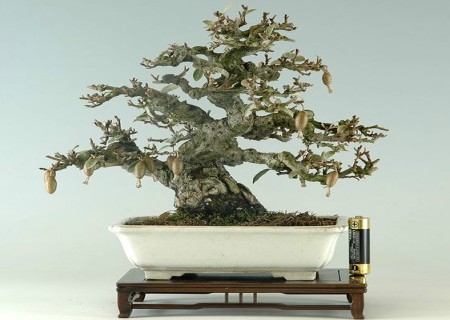
How to make an Elaeagnus bonsai? A complete analysis of the production techniques
The Elaeagnus tree shape is natural, and its red fruits hang downward. Besides being used for clump planting on lawns, at forest edges, and on the outer perimeter of tree groups to make natural-form hedges, we can also make it into a bonsai for appreciation. However, potted Elaeagnus generally does not bear fruit easily, which is related to the selected variety and the length of cultivation time.
-
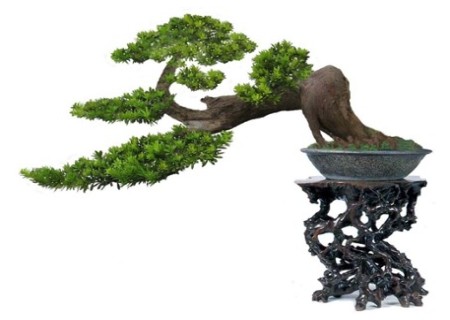
A Complete Guide to the Techniques of Making Podocarpus Bonsai
Bonsai is an important element in beautifying the home environment, and the upright posture and smooth lines of pine bonsai undoubtedly give people an enjoyment of beauty. The old trunks of pine trees, majestic and ancient, with their magnificent momentum and indomitable spirit, give people positive motivation to move forward. Especially when set off by rocks, they are even more verdant and extraordinarily imposing.
条件筛选