-
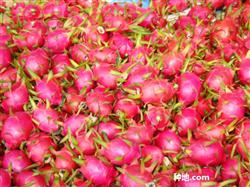
Dragon Fruit Cultivation Techniques: Complete Video and Photo Collection
Benefits of Dragon Fruit: Dragon fruit gets its name because its fleshy outer scales resemble the outer scales of a dragon. When its smooth, enormous flowers bloom, they release fragrance in all directions, and grown as a potted ornamental it gives people a sense of good fortune, which is why it is also called the "auspicious fruit." Dragon fruit is rich in nutrients and has unique properties; it contains plant albumin, which is rare in ordinary plants...
-
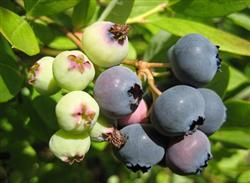
What Is Blueberry Anthocyanin? A Complete Guide
What is blueberry anthocyanin? What does blueberry anthocyanin do? We invite knowledgeable readers to help explain. Blueberry fruit has delicate flesh and very small seeds, is sweet and sour to the taste, and has a fresh, pleasant aroma. Moreover, the anthocyanin contained in blueberries is the highest in content among all fruits and vegetables. Blueberry anthocyanin...
-
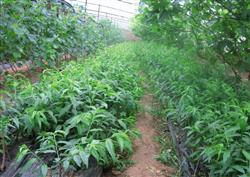
Complete Picture Guide to Peach Planting Techniques
The peach is a spherical edible fruit. Peaches have functions such as beautifying the skin, clearing the stomach, moistening the lungs, and resolving phlegm. Its protein content is twice that of apples and grapes, and seven times more than pears; its iron content is three times more than apples and five times more than pears, and it has long enjoyed the reputation of "queen of fruits." It is widely cultivated in our country. Rich...
-
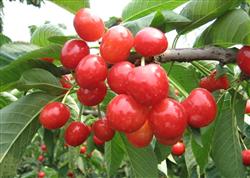
Complete Collection of Cherry Tree Planting and Cultivation Pictures and Videos
Cherries come to market in late spring and early summer, making them the earliest fruit tree to ripen in the Yangtze River basin and the Huaibei region. The fruit has a short growth period, requiring only 40 to 60 days from flowering to harvest, with relatively light field management work and low production costs. Cherry fruits are brightly colored, delicious and tasty, and rich in iron. Besides being eaten fresh, they can be used for...
-
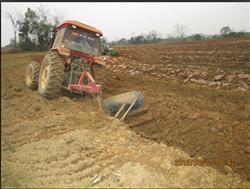
Complete Collection of Banana Cultivation Technique Videos and Pictures
Bananas favor high temperatures and high humidity, usually growing at temperatures of 20-35°C, with the optimum temperature being 24-32°C. The critical temperatures for various organs are 10-12°C for leaves, 13°C for fruit, and 13-15°C for roots. Areas with an annual average temperature above 21°C are the main distribution zones for bananas, with a few distributed in regions at 20°C and below. Banana plants have a high water content, and their leaves...
-
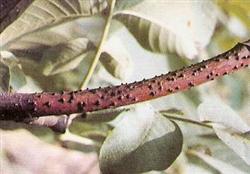
What is walnut branch blight? A complete guide to understanding it
What is walnut branch blight? How should it be prevented and controlled? Please advise. Walnut branch blight is caused by fungal infection and mainly damages branches and trunks. It occurs in all regions, with a general disease incidence rate of 20-30%, and in severe cases the incidence rate reaches more than 80%, causing a large number of branches to die, directly affecting tree growth and walnut yield...
-
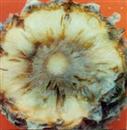
What are the control methods for pineapple fruitlet brown rot?
Pineapple fruitlet brown rot, also known as black heart disease, is a disease that occurs commonly in pineapple-growing regions worldwide, and is more prevalent in Cayenne-type pineapples. The disease mainly affects ripe fruit. Symptoms: the appearance of affected fruit is no different from healthy fruit, but symptoms can be seen when cut open. Infected fruitlets turn brown or form black...
-
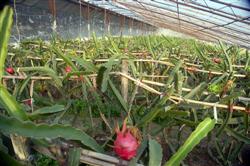
What Is Dragon Fruit? A Complete Guide to Dragon Fruit
Dragon fruit originated in the tropical rainforest regions of Central America. It is a plant of the cactus family, belonging to the genera Hylocereus and Selenicereus, and was introduced to Southeast Asian countries and Taiwan, China, by the French and the Dutch. Dragon fruit has deep historical ties to religious culture; it has been cultivated near the pyramids of the Maya and Inca peoples in the Americas and beside Vietnamese temples in Asia...
-

-

条件筛选