Dragon Fruit Cultivation Techniques: Complete Video and Photo Collection
Benefits of Dragon Fruit: Dragon fruit gets its name because its fleshy outer scales resemble the outer scales of a dragon. When its smooth, enormous flowers bloom, they release fragrance in all directions, and grown as a potted ornamental it gives people a sense of good fortune, which is why it is also called the "auspicious fruit." Dragon fruit is rich in nutrients and has unique properties; it contains plant albumin, which is rare in ordinary plants...
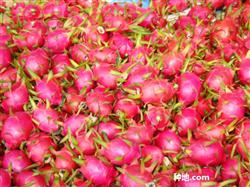
Benefits of Dragon Fruit:
Dragon fruit gets its name because its fleshy outer scales resemble the outer scales of a dragon. When its smooth, enormous flowers bloom, they release fragrance in all directions, and grown as a potted ornamental it gives people a sense of good fortune, which is why it is also called the "auspicious fruit." Dragon fruit is rich in nutrients and has unique properties; it contains plant albumin and anthocyanins, which are rare in ordinary plants, as well as abundant vitamins and water-soluble dietary fiber.
1. Dragon fruit has a relatively high anthocyanin content. Anthocyanin is an antioxidant with clear effects; it has antioxidant, free radical scavenging and anti-aging effects, and also helps inhibit degeneration of brain cells and prevent dementia.
2. Dragon fruit is rich in plant albumin, which is relatively rare in ordinary vegetables and fruits. This active albumin automatically binds with heavy metal ions in the human body and is excreted through the excretory system, thereby playing a detoxifying role. In addition, albumin also protects the stomach lining.
3. Dragon fruit is rich in vitamin C, which can eliminate oxygen free radicals and has a skin-whitening effect.
4. Dragon fruit is a low-energy, high-fiber fruit with a very rich content of water-soluble dietary fiber, so it has effects such as weight loss, lowering cholesterol, promoting bowel movements and preventing colorectal cancer.
5. The iron content in dragon fruit is higher than in ordinary fruits. Iron is an indispensable element for producing hemoglobin and other iron-containing substances, and plays an important role in human health.
6. The sesame-like seeds of dragon fruit have the function of promoting gastrointestinal digestion.
Dragon Fruit Growing Conditions:
Dragon fruit is a tropical plant. It likes light and tolerates shade, tolerates heat and drought, likes fertilizer and tolerates poor soil. Its stems can even grow attached to rocks, and the plant is extremely wind-resistant; as long as the trellis is firm it can withstand typhoons. Plant 300-400 plants per 667 sq m, and bury 1 cement post 20 cm square and 2 m tall in the middle of every 4 plants as a support.
Dragon fruit can adapt to various soils, but neutral soil and slightly acidic soil that are rich in humus and retain water and fertilizer are best. To make it grow vigorously after planting, plenty of disinfected and fermented organic fertilizer from human, livestock and poultry manure must be applied. During the seedling stage, apply calcium magnesium phosphate fertilizer and compound fertilizer, with the amount depending on the size of the plant.
Dragon fruit grows rapidly in a warm, humid environment with sufficient light. When cultivated in the open field in spring and summer, it should be watered more so that its root system remains in a vigorous growth state. During continuous rainy weather, drainage should be carried out promptly to avoid infection by pathogens that causes rot of the stem flesh. Dragon fruit tolerates low temperatures of 0°C and high temperatures of 40°C. To ensure year-round growth and multiple fruiting, try to reach the suitable temperature of 20-30°C. In northern regions, a greenhouse must be built, and the nighttime temperature in winter must not be lower than 8°C. In summer the plastic film may be left on, but ventilation is essential. A dragon fruit orchard does not need plowing; simply remove weeds promptly. Dragon fruit has a thick waxy layer and a smooth appearance, so bagging is unnecessary, saving labor and time. Dragon fruit generally has no pest problems; occasionally there are nematodes in the roots and red spider mites on the stems and leaves, which can be controlled promptly. From flowering to fruit maturity, dragon fruit takes about 30 days. When the fruit gradually turns from green to red and is slightly fragrant and brightly colored, it can be harvested.
Dragon Fruit Propagation:
Seedlings grown from dragon fruit seeds can generally be planted directly. Because dragon fruit only flowers and fruits after the branches exceed 1 m in length, cuttings or grafted seedlings are generally used for propagation and cultivation. Because cuttings root easily, cuttings are mostly used in production, but yellow dragon fruit grows poorly from cuttings, and red-fleshed dragon fruit shows self-incompatibility in production. Therefore, these two varieties should use grafted seedlings to improve quality and yield.
1. Cuttings
Spring and summer are most suitable. Select fully grown stem segments for the cuttings. Discarded branches cut off can also be used for cutting propagation. When taking cuttings, cut the branches into 30 cm lengths, place them in a cool place to let the wounds air-dry, then insert them into a sand bed or directly plant them under the support frame and beside the cement posts. This can be done at any time except during frost periods. After cutting, no watering is needed; keep the soil dry. Begin watering after 10 days.
2. Grafted Seedlings
Select pest-free, robustly growing "Hylocereus undatus" with plump stem flesh as the rootstock. Graft on a sunny day. Cut the dragon fruit plant into 3-4 cm stem segments with a knife and wait for the wounds to dry. Make a horizontal cut 10 cm up the rootstock stem to form a flat surface, insert the scion, align the cambium, tie it firmly with cotton thread, and place it indoors for cultivation. At 28-30°C, after 4-5 days a large amount of callus tissue forms at the graft union. When the color of the scion and rootstock becomes similar, it indicates that the vascular bundles of the two have healed and the graft is successful. It can then be moved into a temporary planting bed to continue growing.
3. Seedling Stage Management
The nursery bed should be in a ventilated, sunny place, in a field with fertile soil and convenient drainage and irrigation. Prepare the soil finely and make beds; the bed with its ditch should be 90 cm. Apply 1500-2000 kg of decomposed chicken manure or cow manure per mu, mix in 1000 kg of rice husk, stir evenly, and apply it to the surface soil layer 10-30 cm below the bed surface when preparing the land. Then apply 100-150 kg of calcium magnesium phosphate fertilizer per mu, stir it evenly with a hoe, and apply it to the surface soil layer 4-5 cm deep. Then plant the small seedlings in the nursery bed at a spacing of 3 cm, and spray once with 500-times carbendazim. On sunny days, when the surface soil looks white, water as appropriate (about once every 7-10 days). Apply 6 kg of compound fertilizer per mu every 14 days. Once stem segments with plump stem flesh have grown, they can leave the nursery.
Dragon Fruit Planting and Support:
Dragon fruit can be planted all year round, but March to November is best. For variety selection, Meixian area can choose excellent varieties such as Baiyulongguo and Zhulong, and be sure to use grafted seedlings. Interplanting two varieties can increase the fruit-setting rate. Before planting, erect cement posts as supports for dragon fruit growth. The cement posts measure 10 cm x 10 cm x 210 cm, must contain steel bars inside, and have a pair of symmetrical small holes at the top for future attachment of supports. The row spacing for erecting cement posts is 2 m x 3 m, with 110 posts per mu. Each cement post is buried 50 cm underground, with 160 cm above ground. Plant 440 seedlings per mu of orchard, with 1 plant around each cement post. After the fruit seedlings grow, tie them to the cement posts so they grow upward.
Dragon Fruit Fertilization:
(1) Ring fertilization, also called wheel-shaped fertilization. It involves digging a ring-shaped ditch slightly away from the outer edge of the tree canopy and applying fertilizer there. This method has the advantages of simple operation and economical fertilizer use. However, digging the ditch easily cuts horizontal roots, and the fertilization range is relatively small, so it is generally mostly used for fertilizing young trees.
(2) Semi-ring fertilization. This fertilization method is similar to ring fertilization, but the ring is interrupted into 3-4 pig-trough-style fertilization ditches. Therefore, it is also called pig-trough fertilization. This method damages fewer roots than ring fertilization, and by changing the fertilization position each time, the fertilization area can be expanded. It is suitable for both flat land and sloping land, and is a commonly used fertilization method in orchards on hilly and mountainous land. On sloping land, the fertilization ditches should be dug above and on both sides of the tree.
(3) Radial fertilization. Starting about 1 m from the trunk beneath the canopy, with the trunk as the center, dig 4-6 ditches outward in a radial pattern. The ditches are generally 30 cm deep, and fertilizer is applied into them. This method generally damages fewer roots than ring fertilization, but large roots should also be avoided when digging. The position of the radial ditches can be changed every other year or every other time to expand the fertilization area and promote root absorption.
(4) Whole-orchard fertilization. This method is mostly used for adult fruit trees or densely planted orchards when the root system has already spread throughout the orchard. Fertilizer is spread evenly throughout the orchard and then turned into the soil to a depth of about 20 cm. The advantage is that the fertilization area in the whole orchard is large, and the root system can absorb nutrients evenly. However, because it is applied shallowly, it often causes roots to turn upward and reduces the stress resistance of the root system. If this method is alternated with radial ditch fertilization every other year, the two can complement each other's shortcomings and maximize the effectiveness of the fertilizer.
(5) Irrigation-type fertilization, that is, combining fertilization with irrigation. In recent years, with the gradual promotion of drip irrigation technology in China, this method has also been gradually applied. Whether combined with sprinkler irrigation or drip irrigation, irrigation-type fertilization, because it supplies fertilizer promptly and distributes it evenly, does not damage the root system, protects the soil structure of the tillage layer, saves labor, and has high fertilizer use efficiency. It can increase yield and quality, reduce costs and improve economic returns.
(6) Foliar topdressing, also called leaf spraying. The advantages of this fertilization method are rapid absorption, obvious effects, fertilizer savings, and freedom from the influence of nutrient distribution centers. It can promptly meet the urgent needs of fruit trees and can avoid the chemical or biological fixation of some elements in the soil. Foliar topdressing is especially good for supplementing trace element fertilizers. However, foliar topdressing can only be a beneficial supplement to soil fertilization and cannot replace soil fertilization.
Each of the above fertilization methods has its own characteristics. They should be used in rotation according to actual conditions, complementing each other's shortcomings, so as to maximize the effect of fertilization and avoid relying on a single method. Dragon fruit is a special emerging fruit tree. Its root system differs from that of other fruit trees: it has no main root, its roots are very shallow and basically distributed in the surface layer of the soil, and it also has powerful aerial roots. Therefore, when fertilizing, special care should be taken not to damage the root system.
Dragon Fruit Pruning:
Shaping and pruning dragon fruit trees can adjust the structure of the population and of each individual part, improve light-use conditions; use the dynamic balance between the aboveground and underground parts to regulate the overall growth of the fruit tree; and adjust the number, quality and rhythm of organ formation. It coordinates the contradictions between growth and fruiting, aging and rejuvenation, and the balance among the various parts and organs of the tree. Its most important role is to regulate fruit tree growth and fruiting.
1. Pruning of Young Trees
Pruning of young trees focuses on shaping, using the method of pinching to promote branching. When dragon fruit seedlings grow taller than the cement post, pinch them to make the main stem sprout several branches, prompting the rapid formation of fruiting branches. Every year in March, as the flower bud differentiation stage is about to begin, to prevent old branches from continuing excessive vegetative growth, all tender buds should be removed so that nutrients accumulate and are stored in the mesophyll of the old branches and trunk. The mesophyll of the main stem rapidly thickens in a short time and the color deepens, which is favorable for flowering.
2. Pruning of Adult Trees
For dragon fruit that has entered the full production period, after the production season ends, all old branches that have previously borne fruit and been pulled by the fruit into a vertical position relative to the ground should be cut off. This is because these old branches, first, receive less sunlight, and second, consume too much nutrition after fruiting, which is unfavorable for nutrient accumulation and for the formation of the next round of fruiting mother branches. The new branches sprouting after the old branches are cut off are more robust, and point straight toward the sky, fully receiving sunlight, so the quality of both flowers and fruit is better than that of old branches. During the flowering and fruiting period, excess vegetative branches can be cut off to reduce nutrient consumption and promote sunlight exposure.
Dragon Fruit Pests and Diseases:
Because dragon fruit is a wild plant and has not been domesticated for long, it has no specific pests or diseases. To date, no fatal insect pests have been found. As for diseases, after transplanting or trauma its resistance weakens and it may be infected by pathogens or viruses, but no local or widespread epidemic infectious diseases have been found. As for insect pests, during the branch growth period tender buds are gnawed by pests, but because the plant produces many tender buds in a very short time and they grow rapidly (more than 2 cm per day), the amount gnawed by pests is extremely limited and will not affect branch growth.
Several common pest and disease control methods are introduced below:
During the seedling and branch growth stages of dragon fruit, this is precisely the stage when dragon fruit branches grow, accumulate nutrients, and store nutrients for flowering and fruiting. At this time the outer skin of the branches is relatively thin, tender and juicy, and mollusks such as snails and slugs easily cause damage by gnawing the tender branches, which is unfavorable to the growth of dragon fruit branches. Therefore, at this time, control should be carried out against mollusks such as snails and slugs. The control method is to scatter lime or wood ash at the base of the tree or use poisoned bait to trap and kill them.
During the seedling growth period, caterpillars like to eat tender branches, especially tender buds. If the growing point is eaten at this time, the plant will stop growing. For control, pak choi seeds can be broadcast on the ground to attract butterflies to lay eggs on the pak choi, thereby protecting dragon fruit tender buds from damage. If caterpillars occur severely, insecticides can be used to kill them. Generally, spraying begins when flower buds and new shoots have extended about 3 cm. The pesticides include 90% trichlorfon or 80% dichlorvos plus 40% dimethoate each at 1000-times solution, 20% fenvalerate or 2.5% deltamethrin at 2000-3000-times solution, and 50% fenitrothion at 1000-times solution. Spray once every 7-10 days, for 2-3 consecutive sprays.
In addition, when the dragon fruit peel turns red and the fruit matures, fruit flies lay eggs inside the epidermis of the ripening fruit. After hatching, the larvae feed on the flesh, causing fruit cracking and rotting. The damaged fruit looks intact on the surface, but on close inspection has insect holes; when pressed by hand, juice flows out; when cut open, the flesh is already rotten and contains many maggots. The control method is to loosen and turn the orchard soil in winter or early spring to reduce the overwintering pest population base. During the peak outbreak period, at night spray the canopy with pyrethroid pesticides at 2000-times solution or 90% trichlorfon at 800-times solution plus 3%-5% brown sugar, once every 7 days, for 3 consecutive sprays. Alternatively, hang square blocks of bagasse fiber (57 mm x 57 mm x 10 mm) soaked in a solution of 97% methyl eugenol plus 3% naled (mixed at a ratio of 95:5) on the trees, hanging 50 blocks per sq m, twice a month, to trap and kill male adults. In the mid-development stage of the fruit, the fruit can be bagged to prevent adults from laying eggs.
Dragon Fruit Irrigation and Drainage:
1. Irrigation
Water is the lifeblood of plant growth and an indispensable component of all organ activity. In the life activities of fruit trees, water maintains cell turgor pressure and ensures stomatal opening and carbon dioxide entry. All chemical changes in the body can only proceed under conditions with water. Nutrients in the soil can only be absorbed and utilized when dissolved in water. More importantly, water is a necessary raw material for photosynthesis and the basis for forming yield. In addition, only under conditions with water can fruit tree transpiration be maintained, tree temperature be regulated, and the transport of photosynthetic products and mineral nutrients be ensured. Therefore, in fruit tree cultivation, timely watering is an important measure to ensure early fruiting, high yield and high quality.
(1) Irrigation timing. Irrigation should be carried out before the fruit tree is affected by water shortage, and absolutely not when the fruit tree already shows drought symptoms (such as wilting or fruit shrinkage). Whether watering is needed is mainly judged by soil moisture. Generally, 60%-80% of the soil's maximum water-holding capacity is most suitable for fruit tree growth and development. Dragon fruit has long grown in desert regions and has a relatively strong tolerance for water shortage. Abroad, measuring instruments are generally used to determine soil moisture to guide irrigation. Determining the irrigation period depends not only on soil moisture, but also on climatic conditions and the growth and development stage of the fruit tree itself. In production, watering is mostly done at the following times.
① From before and after bud break to the flowering period. If there is sufficient water in the soil at this time, it can strengthen new shoot growth, increase leaf area, enhance photosynthesis, and allow flowering and fruit setting to proceed normally, laying the foundation for a high yield that year. In spring-drought areas, this irrigation is especially important.
② New shoot growth and young fruit expansion period. This period is often called the critical water requirement period of fruit trees. At this time the physiological functions of the fruit tree are most active. If water is insufficient, the leaves take water from the young fruit, causing the young fruit to shrink and drop.
③ Rapid fruit expansion period. This watering can meet the fruit's requirements for fertilizer and water during expansion. However, the amount of watering must be well controlled this time.
④ Before and after harvest and the dormant period. In arid areas in autumn and winter, watering at this time can store sufficient water in the soil, help decompose fertilizer, and thereby promote the growth and development of fruit trees the following spring. After the last batch of dragon fruit is harvested in autumn and winter, the plant enters the dormant period. If there is appropriate irrigation at this time, it can promote plant growth and prompt the branches to become fruiting branches as soon as possible.
(2) Irrigation methods and irrigation amount
① Flood irrigation. In areas with abundant water sources and flat terrain, whole-orchard irrigation is often practiced. However, this method causes certain damage to soil structure, is labor- and time-consuming, and is uneconomical, so its use has gradually decreased.
② Border irrigation. Build a tree basin around each plant, or make long borders along the tree rows, and when irrigating, lead water into the tree basins or borders. This method saves water and is easy to manage, so it is widely used. But it likewise damages the soil structure of the tree borders and causes the death of absorbing roots.
③ Hole irrigation. When water sources are lacking, dig 8-12 holes about 30 cm in diameter outside the outer edge of the canopy drip line, with a depth that does not damage the roots, pour water into the holes, and fill them level after the water seeps in.
④ Furrow irrigation. Dig irrigation furrows at certain intervals between 2 rows of trees, with furrows 20-30 cm deep and about 50 cm wide. Generally, 2 furrows are opened per row; in dwarf densely planted orchards, 1 furrow may also be used. Lead water into the furrows and let it gradually seep into the soil. This method both saves water and damages less soil structure, and should be promoted.
⑤ Drip irrigation. Drip irrigation is an advanced mechanized and automated irrigation technology developed in recent years. It is a watering method that applies water slowly to the plant root zone in the form of water droplets or fine streams. It is now gradually being adopted in production. Drip irrigation has many advantages: for example, it only wets the soil layer near the crop roots and the surface soil, greatly reducing water evaporation; this system can be fully automated, reducing labor to a minimum; and it can frequently supply water to the soil in the root zone, evenly maintaining soil moisture so that it is neither excessively wet nor excessively dry, while also keeping the root-zone soil well aerated. If drip irrigation is combined with fertilization, it can continuously supply nutrients to the root system, which is most favorable for fruit tree growth and development, achieving two benefits at once. According to foreign data, drip irrigation can increase fruit tree yield by 20%-50%. However, a drip irrigation system requires more piping materials, a relatively large investment, a water tower with a certain pressure and a filtration system, as well as main and branch pipes to lead water into the orchard, and capillary tubes and emitters around the trees. Moreover, the pipes and emitters are easily clogged, strictly requiring good filtration equipment.
No matter which irrigation method is used, the amount of water applied at one time must not be too large or too small; it is suitable to wet through the soil layer where the main root system is distributed. Determining the specific irrigation amount also requires considering soil texture, the growth and development stage of the fruit tree, fertilization conditions and meteorological conditions. For theoretical calculation of irrigation amount, determining it by soil moisture is the most commonly used. It is generally considered that the minimum irrigation amount is when soil moisture is 60% of the soil's maximum water-holding capacity, while the ideal amount is 80% of the maximum water-holding capacity. In addition, according to the long-term accumulated experience of fruit growers and technicians, when watering, if it is considered to have soaked through, that is in fact the most suitable irrigation amount.
2. Drainage
The root system of dragon fruit fears oxygen deficiency most and avoids water accumulation. If there is too much soil moisture, aeration weakens, which hinders root respiration. In severe cases, the active parts suffocate and die, causing fruit drop, reducing fruit flavor, and even causing plant death. Therefore, in addition to good water conservation and timely irrigation, flood control and waterlogging drainage work should also be done well, with drainage ditches and flood discharge channels built, and preparations for flood control and drainage made in rainy seasons. The number and size of drainage ditches in the orchard should be determined according to the local rainfall, the strength of the soil's water-holding capacity and the height of the groundwater table. Under normal circumstances, dragon fruit orchard drainage ditches are about 1 m deep.
Dragon Fruit Fruit Cracking:
Dragon fruit plants are currently entering the concentrated flowering period. Their flowers generally begin to open 1-1.5 hours before sunset, gradually close after dawn, and wither after the sun rises. During this period, the flowers complete the process of self-fertilization. However, there is currently continuous heavy rain and there is less sunlight. These factors are extremely unfavorable to dragon fruit pollination and fertilization. For example, heavy rain dilutes the mucilage on the female stigma, and the male anther fluid is washed away and lost. When the flower cannot complete fertilization, it will inevitably wither and drop. In addition, because there is more rain at present, the plant absorbs relatively more water, so the speed at which the flesh develops and expands is not synchronized with the speed of peel growth, thus increasing fruit cracking.
To overcome the above unfavorable factors, protected cultivation is needed, such as cultivation in a light-transmitting medium-sized greenhouse. If planted in the open field, when conditions unfavorable to plant flowering, pollination and fertilization, or unfavorable to the plant's water and light factors occur, it is difficult to ensure stable, high and high-quality yields. It is recommended that you cover the soil with plastic film as much as possible to reduce the soil's water content and keep soil moisture as uniform as possible; when the weather clears, spray the plants with 0.04 PPM brassinolide to improve the plant's stress resistance; use artificial supplementary pollination, and before the flowers fade in the early morning, use a brush to collect pollen and gently stroke the female stigma; because the concentrated flowering periods of dragon fruit are generally from late June to early July, from late August to early September, and from mid-to-late September to early October, it is recommended to strengthen pollination and fruit-setting management in the later periods to make up for the temporary losses currently occurring.
Alternatively, during the flowering period, spray 20 ppm cytokinin and 1000-times Farmer's Calcium once every 10-15 days. Use cytokinin to promote the proliferation of fruit embryo cell numbers, so as to facilitate the accommodation of substances during the future expansion period and create a larger potential space for accommodation. Use calcium to combine with pectin to form calcium pectate, improving the toughness of the peel, thereby reducing fruit cracking in the late rapid expansion stage of fruit development.
In addition, cover the soil around the tree base with straw (rice straw or weeds) to retain moisture, keeping the soil moisture as uniform as possible and reducing sudden increases in soil moisture caused by sudden excessive rain, which would otherwise cause the fruit to also increase suddenly in moisture content, making the flesh develop too quickly and crack the peel.
What insect pests affect dragon fruit?
What environment is suitable for growing dragon fruit?
Click to get more dragon fruit cultivation techniques