What Is Dragon Fruit? A Complete Guide to Dragon Fruit
Dragon fruit originated in the tropical rainforest regions of Central America. It is a plant of the cactus family, belonging to the genera Hylocereus and Selenicereus, and was introduced to Southeast Asian countries and Taiwan, China, by the French and the Dutch. Dragon fruit has deep historical ties to religious culture; it has been cultivated near the pyramids of the Maya and Inca peoples in the Americas and beside Vietnamese temples in Asia...
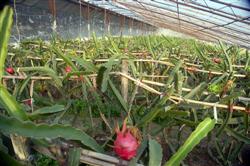
Dragon fruit originated in the tropical rainforest regions of Central America. It is a plant of the cactus family, belonging to the genera Hylocereus and Selenicereus, and was introduced to Southeast Asian countries and Taiwan, China, by the French and the Dutch. Dragon fruit has deep historical ties to religious culture; it has been cultivated near the pyramids of the Maya and Inca peoples in the Americas and beside Vietnamese temples in Asia. On occasions of sacrifices and major religious activities, they would offer the fruit on altars, regarding it as a sacred fruit. Even more remarkable is that, whether in the Americas or in Asia, dragon fruit has an inextricable bond with Chinese dragon culture. In ancient times, the Incas offered dragon fruit together with totems carved in a form strikingly similar to the Chinese dragon. In the Inca language, both this totem and the dragon fruit mean "dragon." To this day, indigenous Mexican men still like to call themselves "Chinese boys," perhaps influenced by the legend that their ancestors came to the Americas from China across the sea.
Dragon fruit gets its name because its fleshy outer scales resemble the outer scales of a dragon. When its smooth, huge flowers bloom, they give off fragrance in all directions, and growing it as a potted ornamental plant gives people a sense of good fortune, so it is also called the "auspicious fruit." Dragon fruit is rich in nutrients and has unique functions. It contains plant albumin and anthocyanins, which are rare in ordinary plants, as well as abundant vitamins and water-soluble dietary fiber.
1. Dragon fruit has a relatively high anthocyanin content. Anthocyanin is an antioxidant with noticeable effects. It has antioxidant, anti-free-radical and anti-aging effects, and also has the effect of inhibiting degeneration of brain cells and preventing dementia.
2. Dragon fruit is rich in plant albumin, which is relatively rare in ordinary fruits and vegetables. This active albumin automatically binds with heavy metal ions in the human body and is excreted through the excretory system, thereby playing a detoxifying role. In addition, albumin also has a protective effect on the stomach wall.
3. Dragon fruit is rich in vitamin C, which can eliminate oxygen free radicals and has a skin-whitening effect.
4. Dragon fruit is a low-energy, high-fiber fruit with a very rich content of water-soluble dietary fiber, so it has effects such as aiding weight loss, lowering cholesterol, lubricating the intestines and preventing colorectal cancer.
5. The iron content in dragon fruit is higher than in ordinary fruits. Iron is an indispensable element for making hemoglobin and other iron-containing substances, and it plays an important role in human health.
6. The sesame-like seeds in dragon fruit have the function of promoting gastrointestinal digestion.