-
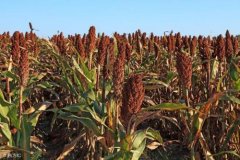
When is sorghum harvested, and what is the current purchase price per jin?
When is sorghum harvested? How is the purchase price? Let's take a look together. Sorghum is ready for harvest 35~40 days after heading, when the stems and leaves turn yellow and the grains are hard and milky white; the heads should be cut and harvested promptly with a sickle. After the sorghum heads are sun-dried, they can be threshed by rolling with a cart wheel
-
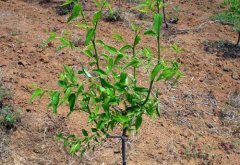
How to plant red jujube saplings and train their tree shape, and what are the common pests and diseases?
How should red jujube saplings be planted and trained into a tree shape? What are the common diseases in red jujube cultivation and how are they controlled? At present, red jujube trees are mostly grown with dwarfing cultivation, with tree height 1.5 to 2.5 m, which makes it convenient to pick fruit in pick-your-own orchards. Therefore, after the saplings are planted, the branches should be gradually pulled down to dwarf the tree.
-
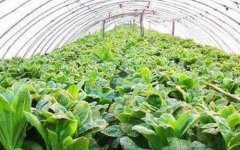
How to grow lettuce? Planting methods, timing and soil conditions
Lettuce cultivation methods are introduced in three aspects: the characteristics of lettuce seeds, the importance of optimal growing temperature and soil conditions. Planting time: In the Yangtze River basin, stem lettuce overwinters in the open field, with spring stem lettuce as the main crop, generally sown in the autumn of the first year from September to October. Seed characteristics: lettuce seeds
-
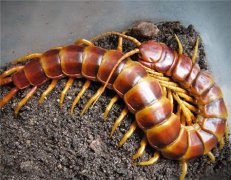
How to Treat a Centipede Bite? Learn About the Effects and Uses of the Chinese Medicine Centipede
Centipedes are venomous, so what should you do if you are bitten by one? What are the effects and uses of the Chinese medicine centipede? The centipede is also called the hundred-legged worm. In biology, centipedes in the broad sense refer to the Chilopoda among arthropods, which includes house centipedes, centipedes, stone centipedes and earth centipedes
-
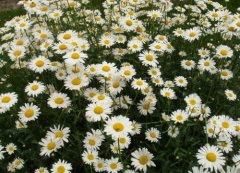
How do you care for daisies in summer so they thrive?
Daisies and pansies are the signature flowers of early spring, with a long blooming period that can last from early spring all the way to early summer. Daisy is also known by the alias "life-extending chrysanthemum." Can daisies survive summer? Yes, they even bloom in early summer. So how should daisies be cared for? Cultivation management: Sowing: September
-
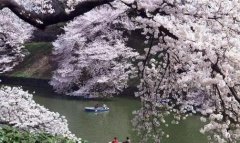
Cherry Blossom Sapling Planting Methods and Blooming Time Explained
Cherry blossoms are a highly ornamental plant, so many people grow them. So how should you plant cherry blossoms to make them grow well? Cherry blossom cultivation and management methods: The two most important factors are that the soil should be slightly acidic and have good drainage. When transplanting, it is best to
-
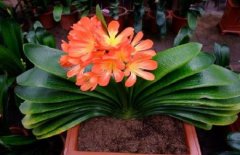
How to best care for Clivia in winter? Watering and fertilizing methods explained
If you like Clivia, then you must be familiar with it. It is a very common winter and spring flower, with bright and beautiful blooms and a long flowering period, giving it high ornamental value. Let's take a look at how to care for it in winter. Light: Unlike autumn,
-
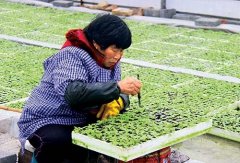
Tobacco Planting Time and Seedbed Management Techniques
Tobacco is widely grown in our country, so do you want to grow tobacco? Would you like to learn how to grow tobacco? Tobacco seedling raising: tobacco seeds are very small, and from sowing to the seedling stage they are easily damaged by environmental influences, so a seedbed should be set up
-
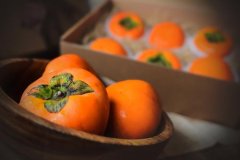
A Detailed Explanation of the Growth Characteristics of Sweet Persimmon Seedlings and Persimmon Cultivation Techniques
What are the growth characteristics of sweet persimmons? Do you know? Would you like to learn about them? Let's take a look together. 1. Fairly strict selectivity for rootstock: Based on the rootstocks commonly used in Taiwan, China, Jiro has better compatibility, Fuyu is poorer, and the Goshо series is even worse, with incompatibility continuing to appear about three years after grafting, leading to death.
-
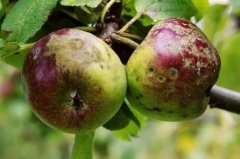
How to treat apple scab (apple black spot)? A new breakthrough treatment lends a hand
Do you like eating apples? Then you know that apples are very prone to pests and diseases, and some growers spray pesticides to prevent them, which makes it easy for apples to end up with pesticide residues. Apple scab, also known as apple black spot, is a disease caused by fungi and is especially
条件筛选