How do you care for daisies in summer so they thrive?
Daisies and pansies are the signature flowers of early spring, with a long blooming period that can last from early spring all the way to early summer. Daisy is also known by the alias "life-extending chrysanthemum." Can daisies survive summer? Yes, they even bloom in early summer.So how should daisies be cared for?
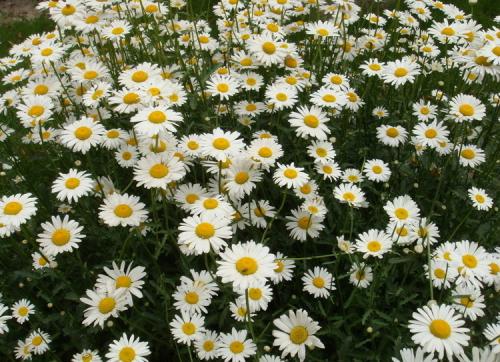
Cultivation management:
Sowing: Early to mid-September is the suitable sowing period. No need to cover with soil. Before full germination, keep consistently in a half-shade cool environment. After germination, receive morning and evening sunlight. Once they grow to the true-leaf stage, they can fully receive natural light!
Transplanting and planting out: When true leaves grow to 2~3 leaves, plant them at intervals of 2~3CM. In mid-October, plant them out at intervals of 15CM!! The transplant bed should be chosen in a spot with sufficient sunlight!!
Fertilizer: For organic fertilizer, dried cow manure, chicken manure, and other organic fertilizers are suitable. Apply about 3 grams per square meter and mix evenly!!
Pests and diseases: Daisies are easily harmed by aphids; use Sumithion aphid-killer to deal with them!
Overwintering: This plant is extremely cold-hardy. Even when the temperature drops to minus 5 degrees C, it can safely pass the winter!! However, if subjected to severe frost damage, the leaves will turn black and wither, so frost protection measures are needed!
Pot cultivation: Transplant seedlings into pots, planting about 3.4 plants per No. 5 pot!! For the potting soil, mix in a ratio of ~~ 3 parts red soil granules, 1 part leaf mold, 3 parts river sand to give the soil ideal drainage and aeration! Water once a day!
Two key cultivation tips:
1. Plant in a spot with sufficient sunlight, and never let the water run out!
2. Remove spent flowers to prevent them from setting seed! This consumes nutrients and reduces blooming!
Enjoying flowers in deep winter: Very early-maturing varieties can be sown in early August. After planting out in pots, they will begin blooming from the end of November! However, at night they should be placed in an environment free from frost damage!