-

How to Grow Citrus? A Detailed Guide to Planting Techniques and Cultivation Management
Organic Cultivation Methods for Citrus Do you like eating citrus fruits? If so, have you ever thought about trying to grow them yourself? Actually, growing them yourself is not that difficult, so why not take a look at the planting introduction below. An organic citrus orchard must have good environmental conditions
-
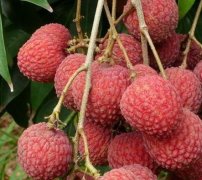
Yuhebao Lychee Management Methods and Post-Harvest Handling Points
Post-Harvest Management Practices for Yuhebao Lychee How should Yuhebao lychee be maintained after harvest? How can a good tree structure be established, and how should fertilizer be applied? Let's take a look together below. 1. Do a good job of pruning, cultivate strong fruiting branches, and establish
-
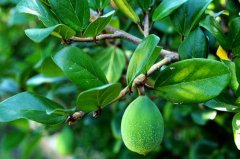
What is jelly fig (Ficus pumila var. awkeotsang) and how is it grown, and what new variety seeds are available?
Where does jelly fig usually grow, and can it also be planted at low altitude? Let's take a look. What characteristics does it have? It seems jelly fig has been bred into new seeds, so let's find out about that too. Jelly fig is a plant unique to Taiwan, mainly divided
-
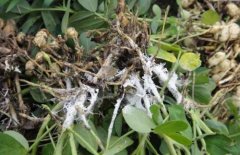
How to prevent and control peanut southern blight? What is the best medicine to use
Southern blight, one of the diseases of peanut, causes severely reduced yields in affected peanuts, so how should it be prevented and controlled? Symptoms: affected plants appear withered as if dehydrated, the stem at the soil line turns brown and necrotic, and is covered with a layer of white silky mycelium that can spread outward, forming a radiating
-
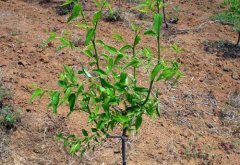
How to plant red jujube saplings and train their tree shape, and what are the common pests and diseases?
How should red jujube saplings be planted and trained into a tree shape? What are the common diseases in red jujube cultivation and how are they controlled? At present, red jujube trees are mostly grown with dwarfing cultivation, with tree height 1.5 to 2.5 m, which makes it convenient to pick fruit in pick-your-own orchards. Therefore, after the saplings are planted, the branches should be gradually pulled down to dwarf the tree.
-
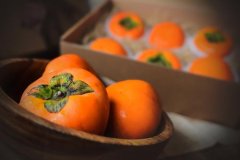
A Detailed Explanation of the Growth Characteristics of Sweet Persimmon Seedlings and Persimmon Cultivation Techniques
What are the growth characteristics of sweet persimmons? Do you know? Would you like to learn about them? Let's take a look together. 1. Fairly strict selectivity for rootstock: Based on the rootstocks commonly used in Taiwan, China, Jiro has better compatibility, Fuyu is poorer, and the Goshо series is even worse, with incompatibility continuing to appear about three years after grafting, leading to death.
-
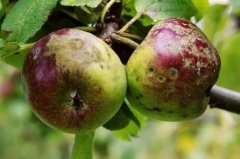
How to treat apple scab (apple black spot)? A new breakthrough treatment lends a hand
Do you like eating apples? Then you know that apples are very prone to pests and diseases, and some growers spray pesticides to prevent them, which makes it easy for apples to end up with pesticide residues. Apple scab, also known as apple black spot, is a disease caused by fungi and is especially
-
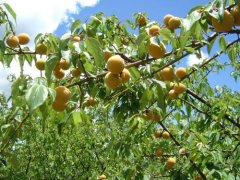
How to fertilize a plum tree? Planting method and pruning time
How should plum trees be fertilized and pruned? Want to know? Let's take a look together. 1. Generally, after a plum tree is planted, it is recommended that you apply organic fertilizer at least twice, and in between apply a small amount of chemical fertilizer as appropriate. If you do not want to use chemicals, you can switch to
-
How to fertilize a plum tree? Planting methods and pruning time
How should plum trees be fertilized and pruned? Want to know? Let's take a look together. 1. Generally, after a plum tree is planted, it is recommended that you apply organic fertilizer at least twice, and in between apply a small amount of chemical fertilizer as appropriate. If you do not want to use chemicals, you can also switch to
-
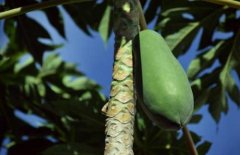
How to Grow Papaya: How Are Papayas Grown? How to Plant Papaya Seeds
Papayas are very easy to grow from seed. Spit the seeds onto the ground, and after a rain shower, you may well find lots of papaya seedlings sprouting up. But sometimes, when you actually want papaya seedlings, they simply refuse to germinate, often because the papaya seeds have been gnawed by ants or other insects, or because the temperature and humidity are not right.
条件筛选