-
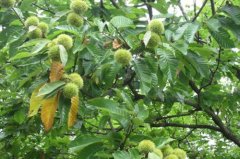
How to plant and care for chestnut trees so they are easy to grow? Learn about the planting history and soil requirements
Since at least 2000 BC, chestnut trees have been cultivated for their starchy nuts for thousands of years. In the past, the nuts have always been an important source of food for humans, used to make flour and as a substitute for potatoes. Currently, 9 different chestnut tree species are grown in temperate regions around the world. All are deciduous trees belonging to the beech family, such as oaks and beeches. If you are considering growing chestnut trees, keep reading for information on chestnut tree care.
-
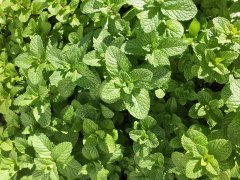
Wild Mint Spreads Aggressively: How to Handle It and Precautions for Medicinal Use of Mint
Wild mint varieties: out of curiosity, I began studying this plant family a few weeks ago, because the number of wild invasive mint species is impressive, and although they are uninvited, they spread through my lawn and garden. These perennials spread through underground stems
-
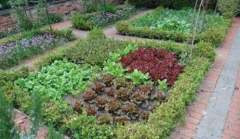
Turn idle urban spaces into small gardens and transform them into a little green oasis
Plants not only fill the stomach but also nourish the soul. Idle community spaces can become healing little gardens in the city. The Taipei City Department of Economic Development is promoting the "Community Garden Promotion Subsidy Program," which not only subsidizes the horticultural materials needed to build a garden but also allows applications for course funding.
-
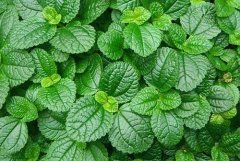
What are the uses and benefits of mint? What are the benefits of washing hair with mint?
The mint plant is a medicinal plant, so what uses does this plant have? What benefits? Let's find out together! Tea: We usually call it mint candy (mint, spearmint, apple mint, etc., in the Mentha genus, the mint types, in the Nepeta genus
-
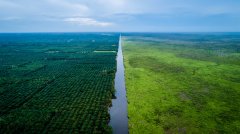
In 2018, 3.6 million hectares of primary forest were lost to commodities such as beef and palm oil
The Guardian reports that according to satellite analysis by the World Resources Institute, part of Global Forest Watch (GFW), a total of millions of hectares of primary tropical rainforest were destroyed in 2018, mainly because of beef, chocolate and palm oil
-
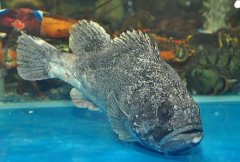
Why are Taiwan, China's live grouper exports being blocked? China suddenly increases testing for VER virus
The volume of live grouper exported from Taiwan, China to China has been declining year after year. According to Customs Administration statistics, from January to March 2018 it was about 3711 metric tons, while in the same period this year only 2478 metric tons were exported, with output value plunging by more than 430 million yuan. In early March, it was reported that a fish farm in Kaohsiung exporting live grouper to China was rejected because
-
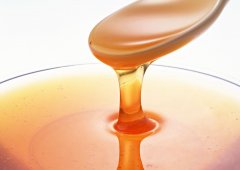
Drought Severely Affects Honey Production: Responding on Three Fronts - Sugar, Beehives, and Bee Colonies
The drought has affected beekeepers' livelihoods. The Council of Agriculture decided to subsidize beekeepers' sugar expenses for feeding bees, remove the per-household cap of 49,000 yuan on beehive assistance, and, once the disaster loss ratio and assistance amount for bee colonies are determined, amend the agricultural natural disaster assistance regulations to include bee colonies
-
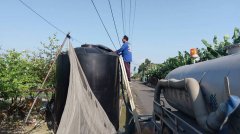
Livestock and poultry manure wastewater becomes odorless fertilizer, helping plants grow and increasing the sweetness of fruits and vegetables
To effectively utilize livestock wastewater, the Pingtung County Environmental Protection Bureau began promoting the use of biogas residue and biogas slurry, produced after anaerobic fermentation of livestock wastewater, as fertilizer starting in 105. Wang Yixuan, section chief of the Water Pollution Control Section of the Pingtung County Environmental Protection Bureau, explained that after nearly 3 years of field use, many farmers reported
-
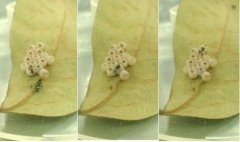
To control the lychee stink bug, 4 counties and cities in Taiwan, China raise the egg-card purchase price to 5 yuan
To control the lychee stink bug, the Bureau of Animal and Plant Health Inspection and Quarantine stated that in 4 counties and cities - Taichung City, Kaohsiung City, Nantou County and Changhua County - starting from the 1st, the government's purchase price for lychee stink bug egg cards has been adjusted to 5 yuan per card, thereby increasing the public's willingness to help remove lychee stink bug egg cards, and at the same time,
-
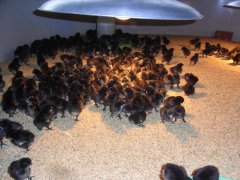
New black velvet silkie breed is dual-purpose for eggs and meat, technology transfer could be available as early as the end of the year
Because native silkie chickens do not lay many eggs, they have long been used mainly as meat chickens. To improve the egg-laying performance of silkie chickens, the Livestock Research Institute obtained eggs of the "black silkie" from China and, after about 20 years of selective breeding, successfully developed a new silkie
条件筛选