-
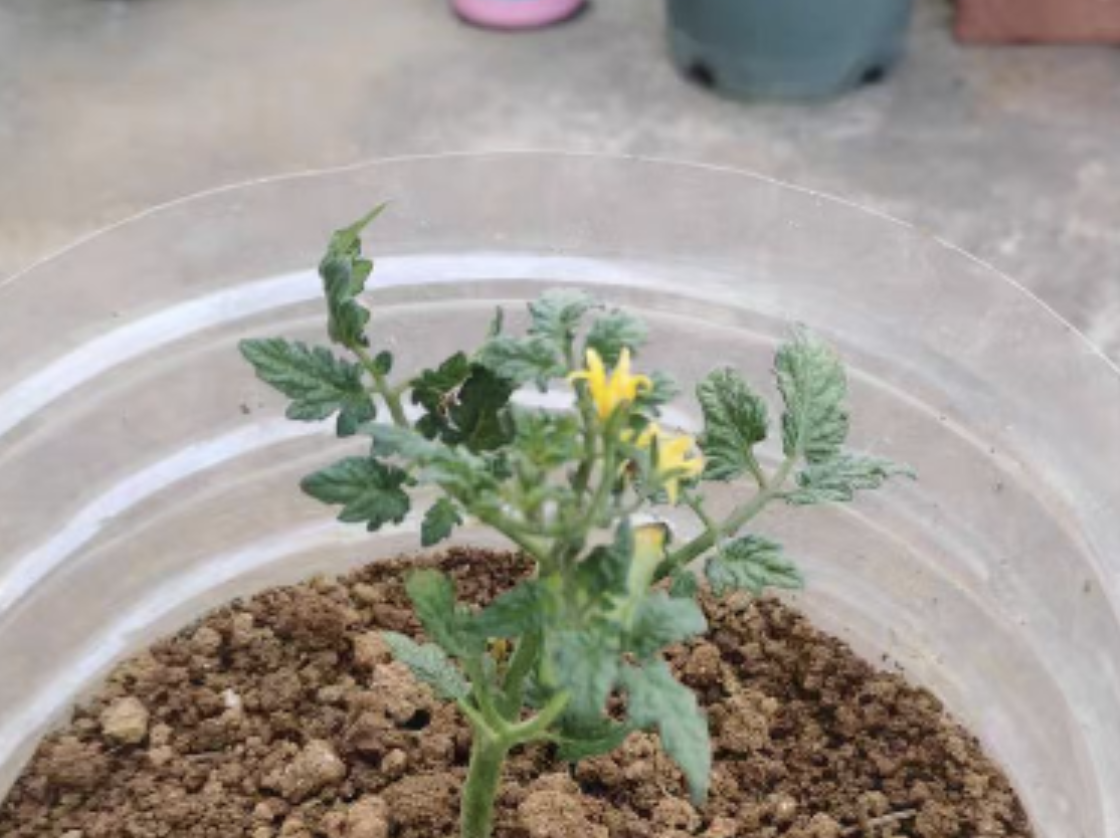
What are the benefits of watering tomatoes with rice washing water?
Do you usually throw away the leftover rice washing water after cooking rice? Actually, this seemingly ordinary and useless rice washing water is a treasure
-
Phalaenopsis hydroponic acclimation tips and precautions for removing from pot and washing roots
Many gardening enthusiasts want to try hydroponic Phalaenopsis, thinking it is clean and easy to care for, but hydroponics is not simply moving a soil-grown plant into water. The roots must first adapt to the water environment, which is called "acclimation." This process is not hard to grasp; the key lies in the steps of removing from the pot and washing the roots, pruning and disinfecting, and water control adaptation. Done well, the Phalaenopsis can
-
Reasons for Root Rot in Water-Cultured Phalaenopsis and How to Care for It After Washing the Roots
Many gardening enthusiasts want to try growing Phalaenopsis (moth orchid) in water but always fail at the early stage. In fact, the problem often lies in the step of "washing the roots"! The core difference between water culture and soil culture is the change in the root environment. Roots that have not been treated still carry old potting medium and pathogens, and putting them directly into water easily leads to root rot and withering. Today we will share in detail the root washing for water-cultured Phalaenopsis.
-
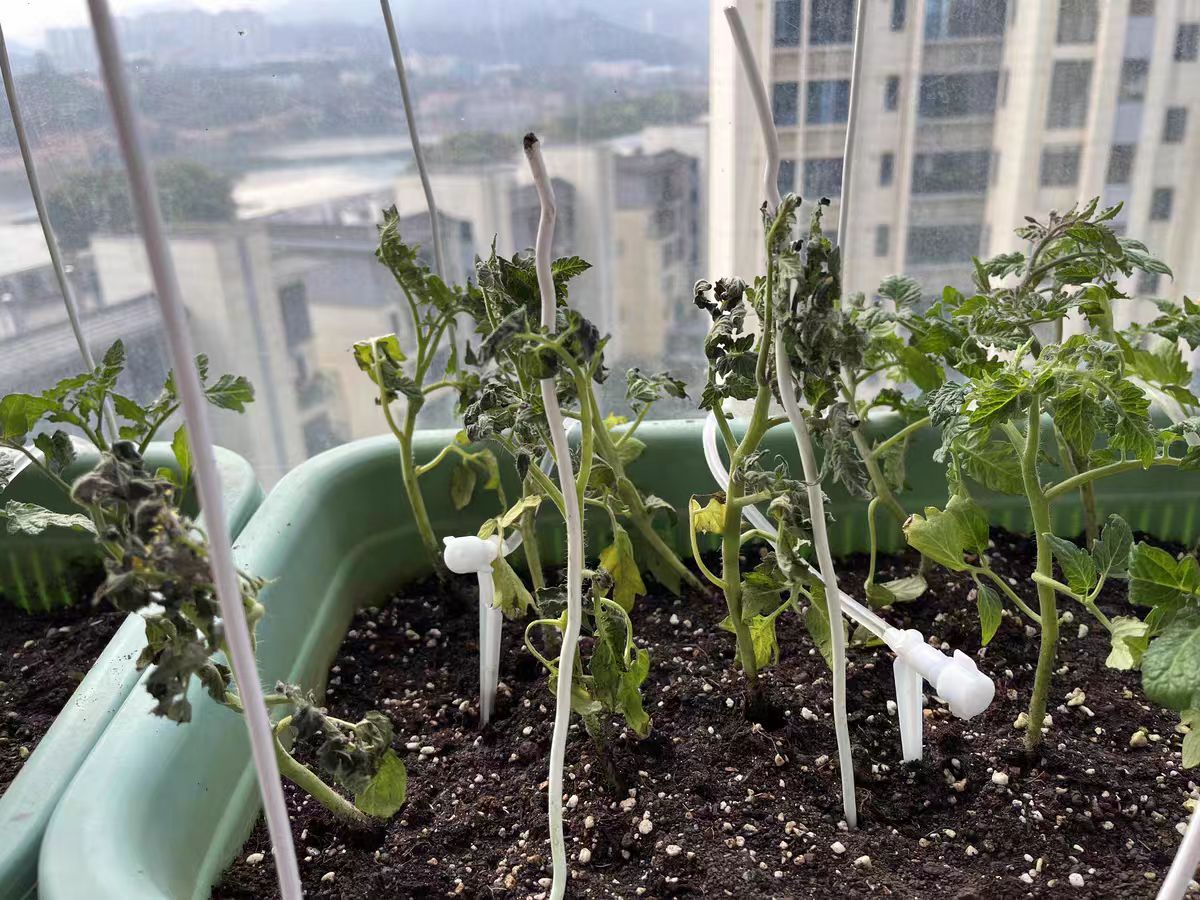
Can tomato plants be watered with rice-washing water?
After cooking, do you usually pour out the leftover rice-washing water? In fact, this seemingly ordinary and useless rice-washing water is a treasure for
-

Is it safe to eat bayberry without washing? Here's how to wash it properly to remove the bugs
Jingzhou bayberries are about to turn red again, and the season for eating bayberries is almost here. Do you know the right way to eat bayberries? That is, without washing, picked straight from the tree and eaten right away. This is how the local bayberry farmers of Jingzhou in Huaihua eat them. Many people will have doubts and debates. Don't bayberries have
-
How do you select Washingtonia robusta seeds? What are the seedling-raising methods?
I wonder if everyone has seen Washingtonia robusta. It is native to southern California in the United States. It is suitable for growing in warm, humid and sunny environments, and is often used as a factory landscaping tree species. So how do you select Washingtonia robusta seeds? What are the seedling-raising methods? How is it different from the Chinese fan palm
-
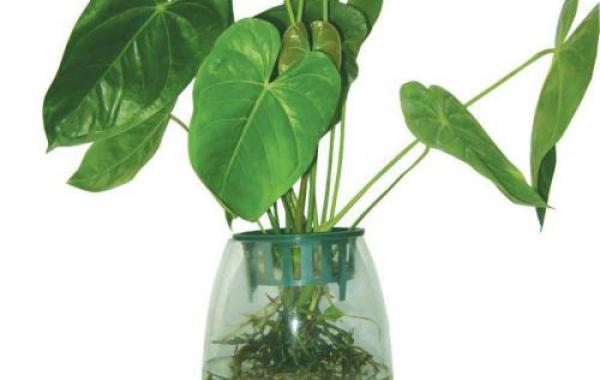
Why do hydroponic flowers need water changes and root washing?
Why do hydroponic flowers need water changes and root washing?
-
The Latest Method for Whitewashing Fruit Trees and Points to Note
As the temperature gradually drops and winter is about to arrive, you will see fruit growers in various orchards whitewashing their fruit trees. Many people are curious: what is the purpose of whitewashing fruit trees? What should be noted when whitewashing? Let's take a look together below.
-
What are the effects of whitewashing fruit trees? The latest detailed explanation
As the temperature gets lower and lower now, we have gradually entered winter. The temperature in winter is very low, so many fruit trees also enter a dormant period to avoid consuming too much of their own nutrients to survive the winter. And many fruit growers also choose to whitewash fruit trees
-
Can the bugs in bayberry be eaten? Teaching you the correct washing and deworming method
Right now is exactly the season when bayberries ripen. Faced with the sweet-and-sour, delicious bayberry, people who love bayberries find it hard to resist the temptation. In many farmers' markets and fruit shops, various varieties of bayberry are coming onto the market one after another. But at this time some people say bayberries are full of bugs, so can the bugs in bayberry be
条件筛选