Wild Mint Spreads Aggressively: How to Handle It and Precautions for Medicinal Use of Mint
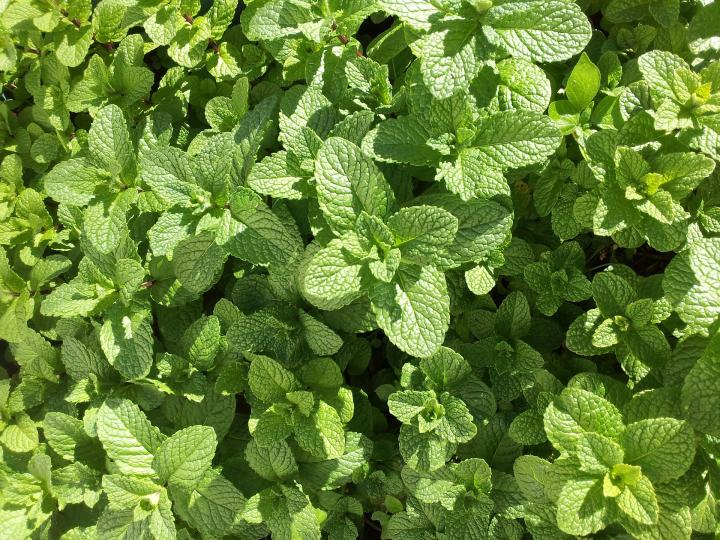
Wild mint varieties: out of curiosity, I began studying this plant family a few weeks ago, because the number of wild invasive mint species is impressive, and although they are uninvited, they spread through my lawn and garden. These perennials spread through underground stems (rhizomes) and seeds.
Spearmint, in particular, is especially troublesome; it has woven a huge quarter-inch-thick network of rhizomes beneath the entire flowerbed, spreading into large stretches of lawn and sending up a new plant every one or two feet from underground nodes. I have already pulled up the wharf, dock and rope-like invaders, but they still keep coming.
Wild catnip has invaded my largest vegetable garden, seeding especially thickly along the edge of the asparagus bed. We have not let the cats enjoy rolling in the fresh leaves for several years, although I have dried many small plants for winter tea. But the catnip I have already pulled out and disposed of would provide every resident of Merrimack County with a cup or two of soothing nighttime tea.
Ground ivy is all over the lawn, but it especially likes to linger on cultivated land. Once the snow melts and the spring rains arrive, it quickly spreads into the vegetable garden beside our pond, becoming a thick mat dotted with delicate purple flowers.
Although I find it annoying, it is far less difficult to eradicate than spearmint. I already know that I can pull up its large mats with a pitchfork stuck in at a slight angle. During one of these digging sessions, I had an epiphany: what if I filled the poor soil around our septic system and planted some of these ground ivy mats in the ugly spots to grow as ground cover? I plan to do this immediately after the regular septic system maintenance I have scheduled this week.
Medicinal Use of Mint Plants: Precautions
One thing I learned from my research is that most plants in the Lamiaceae family have been used in traditional medicine for centuries. Many (perhaps most) are currently being studied for potential human and veterinary uses, as insecticides or repellents, and for antifungal or antibacterial protection of crops.
These are potent plants, full of phytochemicals that plants manufacture to protect themselves from harmful bacteria, viruses and other attacks from their evolutionary environment.
If you are interested in herbal medicine, approach mints with care, especially essential oils, tinctures and concentrated extracts. This applies to both over-the-counter and homemade preparations.
Although traditional healers around the world have used many of these medicines, most herbs have not undergone rigorous safety and efficacy testing, especially in pregnant or breastfeeding women, children, the elderly and people with chronic illnesses.
As much as possible, seek information from books, online resources and experienced herbalists in your area. Whenever you start using an herb, tell your health care provider.
Most herbalists recommend avoiding the ingestion of essential oils as medicine unless under the care and observation of a herbal health care provider. Out of caution, herbalists also urge pregnant and breastfeeding mothers, as well as people with serious chronic illnesses, to avoid using mint family essential oils in massage oils.