-
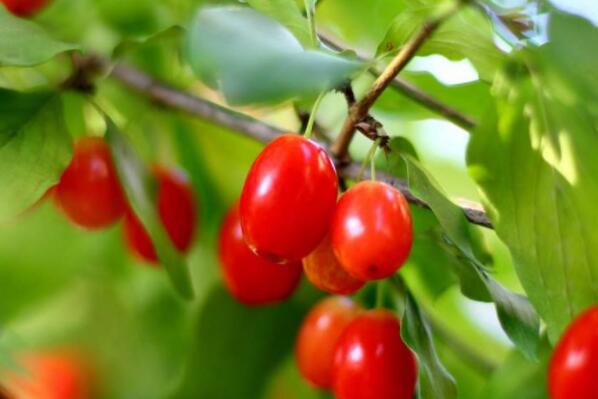
What does the deciduous tree Cornus officinalis look like? How much do seeds and saplings cost approximately? What are the cultivation techniques?
Cornus officinalis is also known as Shanyurou, Rouzao, Jizu, Yurou, Yaocao, Tianmuzi, and Shizao'er. Its flowering period is March to April; its fruiting period is September to October. So what does it look like? How much do seeds and saplings cost approximately? What are the cultivation techniques? According to grower Uncle Wang
-
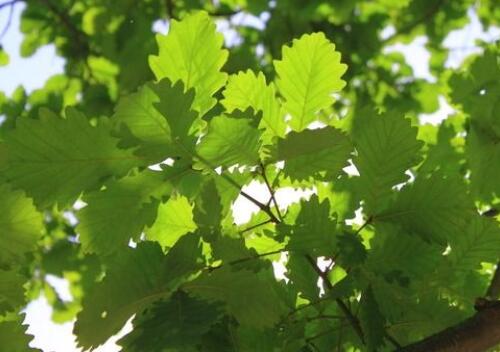
Can You Eat the Acorns of the Oak, America's National Tree? Appearance, Planting Methods and Fruiting Time
Oak, also known as the oak tree, the Mongolian oak, or the sharp-toothed white oak, is a general term for plants in the Fagaceae family, the largest flowering plant in the world, with some living up to 400 years old, and is the national tree of the United States. So what does an oak look like? When is it planted, and when does it fruit? Can its fruit be eaten? How is it grown? From Fagaceae reference materials we learn
-
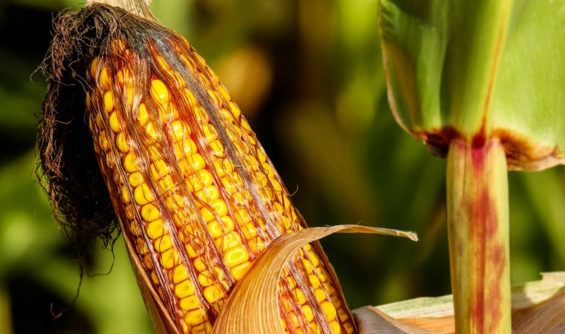
What are the planting time, methods and precautions for corn?
Corn is an annual monoecious cross-pollinated plant with a tall plant and strong stalk. It is an important food crop and feed crop, and also the crop with the highest total yield in the world. So what are the planting time and methods for the herbaceous plant corn? What should be noted? The planting time of corn generally goes from south to north.
-
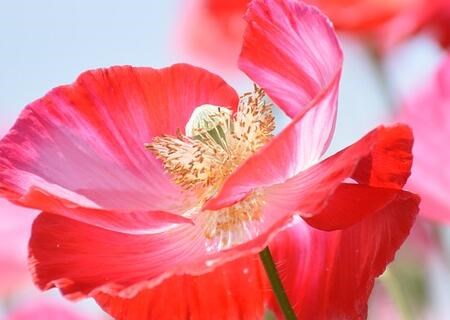
Corn Poppy Annual Herbaceous Plant Seed Planting Method, Differences from Opium Poppy, and Price
Corn poppy (Papaver rhoeas), an annual herbaceous plant, whose flowers and whole plant are used as medicine, contains various alkaloids and has antitussive, antidiarrheal, analgesic and sedative effects. As an ornamental plant, it is commonly cultivated throughout China. So do you know what the seed planting methods for corn poppy are? What is the difference from opium poppy? What value does it have?
-
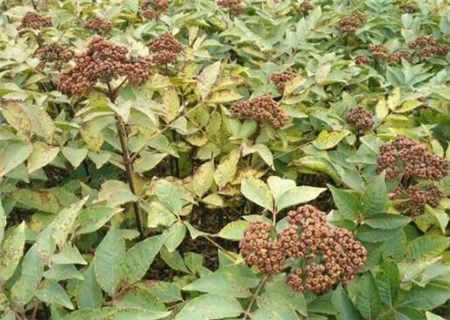
Cultivation Methods for Wu Zhuyu (Evodia rutaecarpa) of the Rutaceae Family, Its Differences from Shan Zhuyu (Cornus officinalis), and Poisoning Rescue
Wu Zhuyu is a plant of the Rutaceae family; the nearly ripe fruits of Evodia rutaecarpa and its varieties are a commonly used traditional Chinese medicine. It has a long history of cultivation in China. So do you know what the cultivation methods for Wu Zhuyu are? What is the difference between it and Shan Zhuyu? How do you rescue someone from poisoning? Wu Zhuyu Cultivation Methods
-
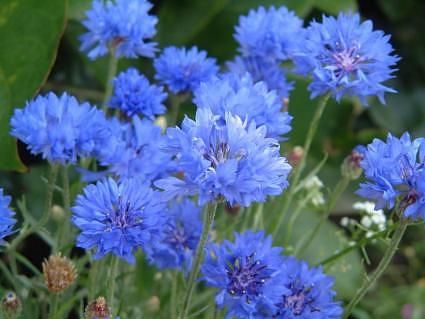
Cornflower Planting Methods and Key Technical Points
Cornflower planting methods. Cornflowers have rich colors, unique flower shapes, and a long flowering period. They can be used for cut flowers or as flower border material, and dwarf varieties are more suitable for planting in flower beds. Cornflower is a biennial herbaceous plant of the Asteraceae family, native to southeastern Europe, with strong cold resistance and adaptability, and likes sunlight.
-

How to Grow Cornflowers? A Detailed Guide to Planting Methods
The cornflower is a wild flower. After years of cultivation by people, its "wild" nature has diminished, its flowers have become larger and its colors more varied, with purple, blue, light red, white...
-

Tips for High-Quality, High-Yield Sweet Corn Planting in Early Spring
Early Spring High-Yield Sweet Corn Planting Techniques Because sweet corn is rich in nutrients, has tender kernels, and a crisp, sweet taste, it is a food used both as fruit and vegetable, and is deeply...
-

What are the cultivation methods and precautions for the corn plant (Dracaena fragrans)
Morphological characteristics of the corn plant. The corn plant is an evergreen tree that can reach a height of over 6 m. The leaves are clustered at the top of the stem, 40-90 cm long and 6-10 cm wide, broadly linear, with slightly blunt tips, curving into an arch shape; the leaf margins are wavy and undulating, bright green, with parallel veins, glossy, and nearly stalkless. The panicle is terminal, with small flowers borne in clusters
-

30 Questions on Corn Cultivation Explained in Detail, the Most Comprehensive Collection of Questions Ever
1. Why does planting second-generation seed lead to reduced yield? Modern corn production uses the heterosis of first-generation hybrids to achieve high yield and stress resistance. Heterosis refers to two related traits...
条件筛选