How to Grow Cornflowers? A Detailed Guide to Planting Methods
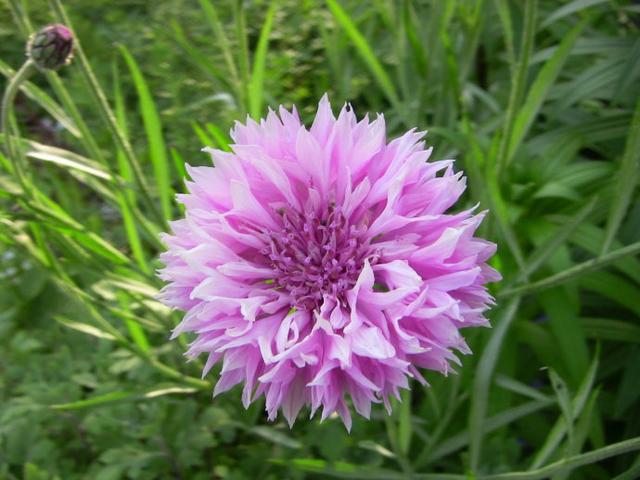
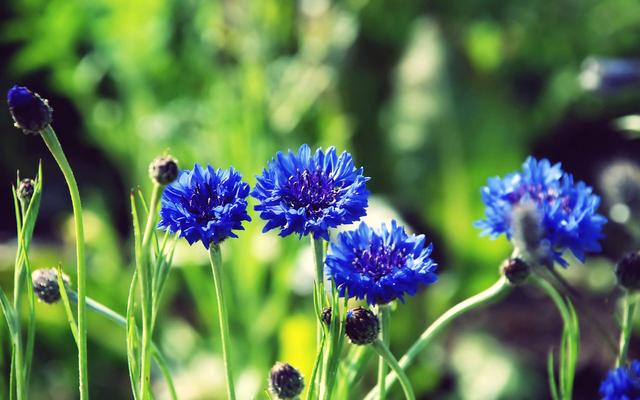
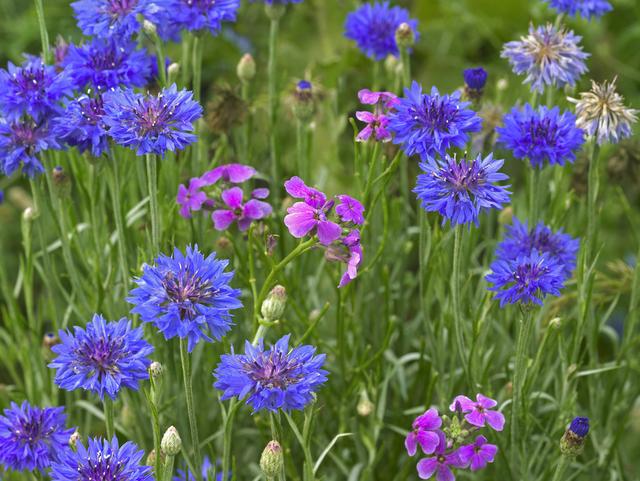
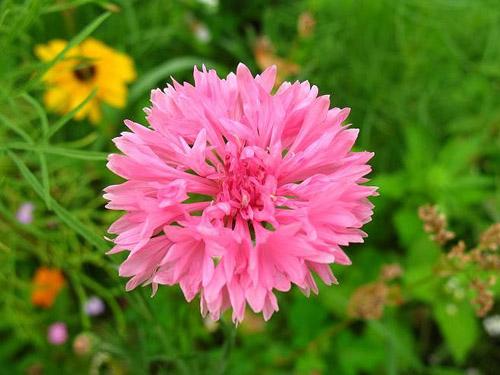
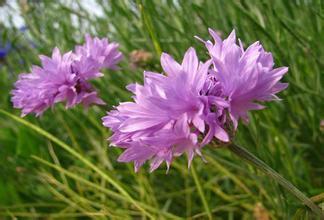
The cornflower is a wild flower. After years of cultivation by people, its "wild" nature has diminished, its flowers have become larger and its colors more varied, with varieties in purple, blue, light red, white and so on, among which the purple and blue ones are the most prized. So, how do you grow cornflowers? Let me introduce the planting methods for cornflowers.
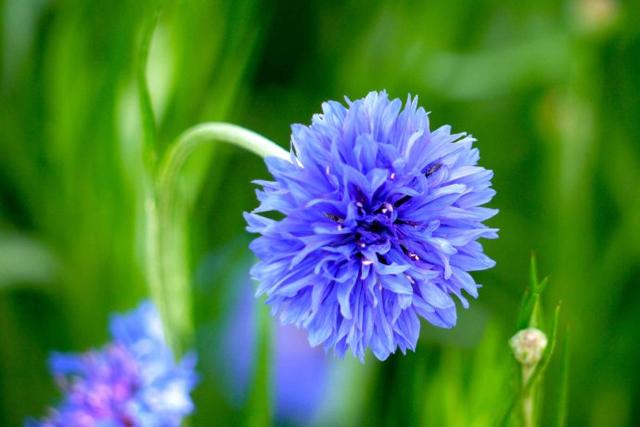
The cornflower has strong adaptability. It likes plenty of sunlight and does not tolerate shade and dampness. It must be planted in a spot with ample sunlight and good drainage, otherwise it often dies from shade and dampness. It is relatively cold-tolerant, prefers cool conditions, and dislikes intense heat. It likes fertile, loose, well-drained sandy soil.The planting methods for cornflowers are as follows:
I. Seedling raising
When cultivating cornflowers, choose loose, fertile soil to make the bed, and cover with about 0.2 cm of soil. Cultivation: when the seedlings have grown 6-7 true leaves, transplant them. For pot cultivation, plant one plant per 13-17 cm pot. After the seedlings are established and have survived, pinch them once to encourage more branching and thus more flowers. Conversely, if there is too much branching, some lateral buds should be removed when necessary to obtain larger flowers. Because it has a taproot, it is best to sow it directly. For autumn sowing, cover the plants in the open ground to overwinter, and they will bloom in early summer. If overwintered in a cold frame, they can bloom in late spring. For spring sowing, sow as early as possible. They bloom in June.
II. Growing location
Because the cornflower originated in the fields of Europe, it can tolerate cold somewhat, and it likes cool places with ample sunlight.
III. Soil
The cornflower relatively prefers loose, fertile, well-drained sandy loam. The growing soil should be kept as well-drained and well-aerated as possible. If the soil is rather clayey, mix in 30-40% tree fern fiber or perlite to improve it.
IV. Watering
In principle, watering once a day is already enough, but in drier summer weather, water once in the morning and once in the evening to keep the potting soil moist and lower the temperature of the pot, but avoid waterlogging.
V. Fertilizing
Cornflowers like plenty of fertilizer. During the growing period, apply a diluted solution of the three major nutrients once a month. If the leaves are too luxuriant, reduce the proportion of nitrogen fertilizer. Before flowering, it is best to apply more phosphorus and potassium fertilizer so as to obtain larger flowers with beautiful colors.
VI. Flowering period management
Cornflowers naturally produce side branches. With many side branches, the flowers are smaller. When necessary, some lateral buds can be removed, leaving only the smaller branches, so that larger flowers can be obtained. The cornflower is a long-day plant. In winter, when daylight hours are shorter, using a plant light to supplement lighting at night can make it bloom earlier.
The above are the planting methods for cornflowers. How well do you understand them now? People's fondness for different flowers varies. I hope the cornflower planting methods introduced above will be helpful to friends who love cornflowers!
-----------I am a gorgeous dividing line-----------
For more exciting content on home decoration design and arrangement, please follow Qijia.com (WeChat ID: mall_jia).
For more decoration inspiration and classic cases, please follow Qijia Jingxuan (WeChat ID: Qjiawan).