-

How to pollinate clivia? Detailed steps and methods explained
March is the best time to pollinate clivia, but the specific timing should be adjusted according to the flowering time. To pollinate a plant, you first need to select good parent plants, try to avoid self-pollination, and preferably choose different varieties to ensure robust offspring. In addition, we also need to understand the structure of the flower to make pollination successful.
-
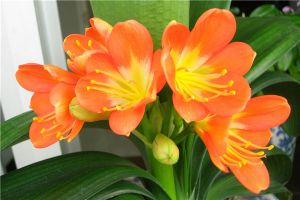
How to prevent Clivia from failing to bloom (stuck arrow)? A full analysis of practical methods
From January to March, if there are signs of the flower stalk shooting up, raise the temperature around the pot; you can place the pot on a hot brick, put a lamp under the pot, and so on. At the same time, apply some fertilizer, and also prevent the soil from caking. Having earthworms in the soil is also not okay, because it will cause the plant's roots to lose contact with the soil.
-
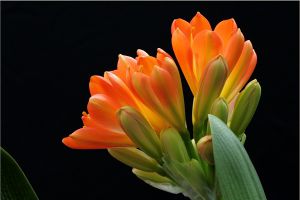
How to grow a clivia so it quickly sends up a flower spike
Light deprivation: Move it to a completely dark place, then keep the temperature between 18 and 20, and use string or a plastic bag to separate the leaves; 3 to 5 days is enough. Alcohol: Use diluted alcohol, and in about a week it can also make it quickly send up a flower spike. Warm water: During the day, place the clivia in water at about 38 degrees.
-
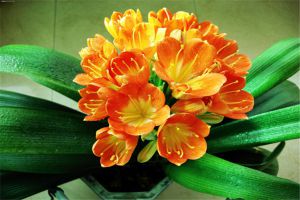
When Does the Clivia Bloom? A Detailed Guide to Its Flowering Period
A well-cared-for clivia can bloom in two to three years, while an ordinary one needs four to five years. Moreover, the plant blooms only once a year, but with proper cultivation it can bloom two or three times a year. Its flowering period is from February to April, and there are also ways to extend it: lower the temperature and reduce the light.
-
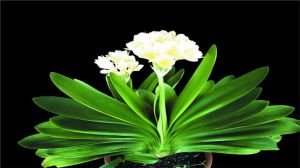
What to Do When a Clivia Loses Its Leaves? Learn the Correct Way to Handle It
There are mainly five reasons why a clivia drops its leaves. The first is too much light, in which case you need to shade it and let it get light only in the morning and evening. The second is temperature that is too high, especially in summer, so you need to cool it down. The third is too much fertilizer or fertilizer that is too concentrated, so you need to adjust the frequency and the concentration. The fourth is too much water, causing waterlogged soil, so you need to reduce the amount of water. The last one is pests and diseases, which need to be treated according to the specific problem.
-

How to rescue a Clivia miniata with shriveled roots? Try these methods
If the roots of a Clivia miniata have shriveled, you must rescue it right away. First, take the plant out of the pot. Then, cut off all the roots that have already shriveled. Next, soak it in a disinfectant solution for about ten minutes. After that, place it in a ventilated, shady spot for two days. Then replace the soil and plant it again. In the care that follows, take special care not to give too much water.
-
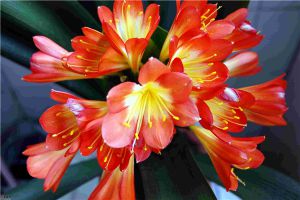
What to do when a clivia's leaves grow crooked? Teach you the correct correction methods
When the leaves grow crooked, there are several ways to restore them to normal. The first method is to adjust the position of the flower pot at regular intervals, and the second method is to shade it with aluminum foil, shading whichever side is more prominent. Or use a paper frame to secure it in place; besides these, you can also use foam pads, thick cardboard and other methods to adjust it.
-
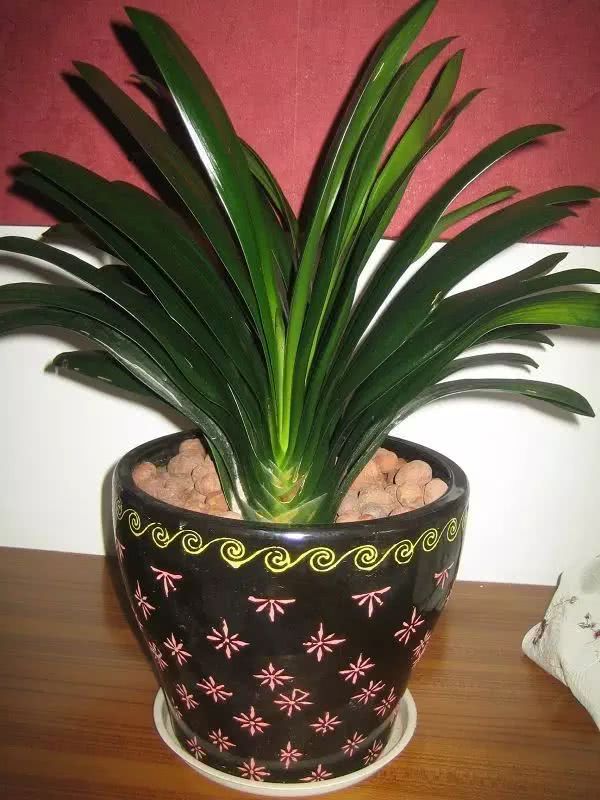
Why doesn't a Clivia that has been grown for over 10 years bloom?
Every time I mention that a Clivia (Clivia miniata) will bloom once it grows more than 12 leaves and has been grown for 3-4 years, a gardening friend comes to ask me: Editor, take a look at my Clivia, how come it still hasn't bloomed after 10 years? I've tried everything like rice water and tea leaves, ...
-
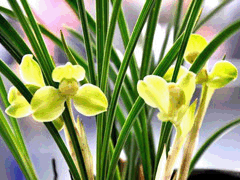
How to care for clivia before and after the flowering period? Detailed explanation of care essentials
Care for clivia before and after the flowering period
-
条件筛选