-
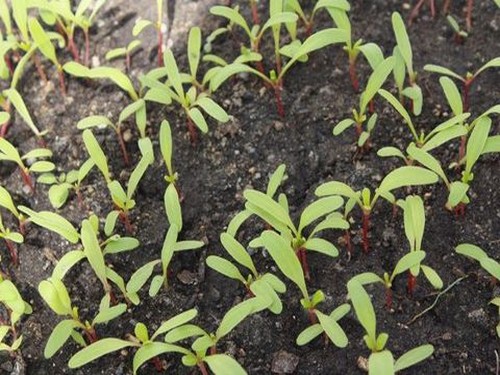
What are the management techniques for Clivia miniata bonsai seedlings?
Seedlings refer to shoots about half a year old, with about 1-3 leaves. Seedlings like light and high temperatures, and the temperature can best be controlled at 20-30°C. When the seed grows its first true leaf from the coleoptile, the plant begins its own development. Seedlings are ready for repotting about 3 months after sowing
-

Detailed Guide to Seed Propagation Methods for Clivia Bonsai
Clivia seed propagation involves unique techniques. The propagation time for Clivia is generally from November to February of the following year. The key to propagation is temperature control. The propagation temperature is generally between 20-30°C, and there should be a certain temperature difference. This ensures fast and even germination. Before propagation
-
How to Propagate Clivia nobilis by Division: A Detailed Guide
Clivia nobilis (drooping clivia) gets its name because its flowers hang down like a bowed head smiling. Asexual propagation of ornamental plants includes methods such as cuttings, division, layering and grafting, but clivias are generally propagated only by division, and this method is even more commonly used for Clivia nobilis. Propagating by division
-
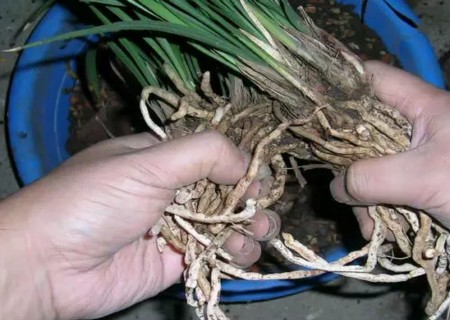
How to divide a potted Clivia (Kaffir lily) by division? A full process in pictures
At the right time, cutting the axillary buds growing at the junction between the pseudobulb and the roots of the Clivia away from the mother plant and growing them separately is called Clivia division propagation. Clivia has strong adaptability and regenerative ability; a mature potted Clivia often produces several, or even a dozen, axillary bud seedlings in a year
-
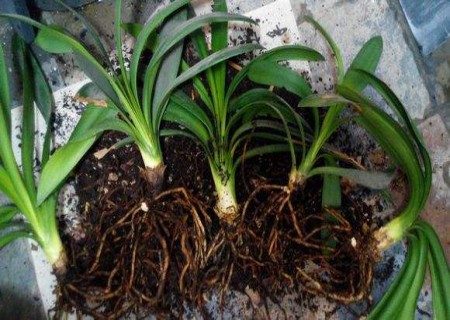
The correct method and precautions for dividing Clivia
After Clivia has generally grown for 3-4 years, it will produce many small shoots at the rhizome, ranging from as few as 1 to as many as a dozen or more. If these small shoots are transplanted and divided out, after proper care, in 1-2 years they can grow into large Clivia plants again and can even bloom.
-
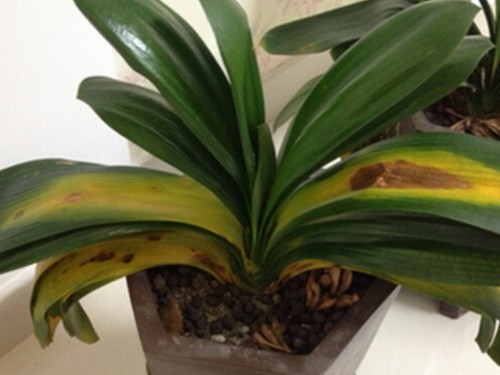
What to Do When Potted Clivia Leaves Turn Yellow? Causes and Solutions
A reader asked: what should I do when Clivia leaves turn yellow? Why do Clivia leaves turn yellow? There are generally several situations in which Clivia leaves turn yellow. If the lowest leaves grow new roots from the leaf axils and the leaves turn yellow, this is normal metabolism. In one situation, no new roots grow from the leaf axils and the leaves turn yellow.
-
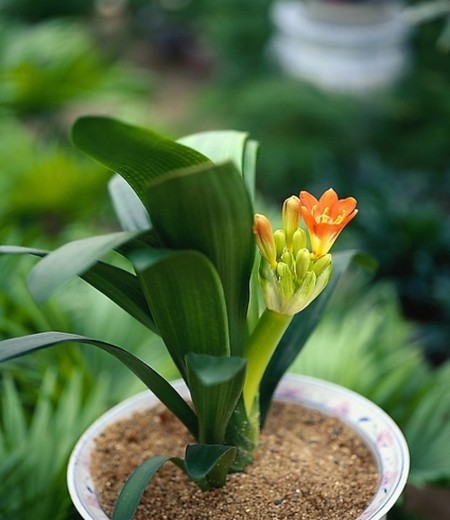
How to grow Clivia miniata so it blooms? Master these care tips
How to grow Clivia miniata so it blooms? This question is one that Clivia growers care about greatly. We grow Clivia not only to enjoy the foliage, but more importantly to enjoy the flowers. So, how do you grow Clivia so it blooms most beautifully? Actually, it is quite simple: in everyday care
-
When does Clivia nobilis bloom? Includes cultivation methods
Clivia nobilis is a type of clivia. When it blooms, each small flower hangs downward in a bell shape, as if bowing its head and smiling at people, hence the name Clivia nobilis. Clivia nobilis is elegant and solemn, with long narrow leaves and orange-yellow flowers that droop when open in a barrel shape. It is used during the Spring Festival to decorate venues
-
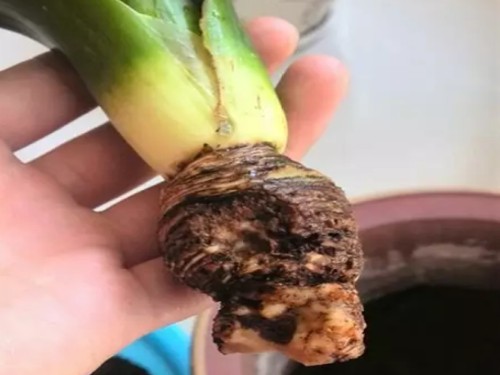
How to care for and manage a Clivia miniata after root rot so it can recover
Root rot in Clivia miniata is mainly caused by overwatering, high temperatures, overly concentrated fertilizer or raw manure, and in some cases by infection from pathogen-bearing growing media. Whether a Clivia miniata can survive after root rot depends mainly on whether the root axis is in good shape, whether the leaves have separated from the root axis, and the condition of the new leaves in the center.
-
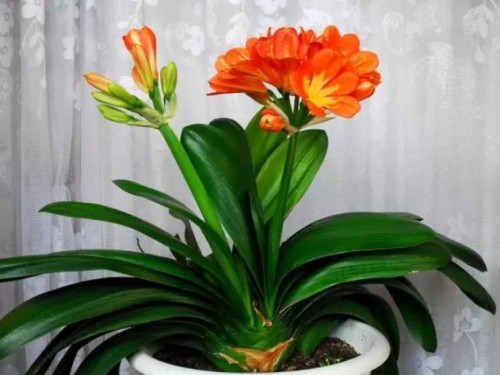
How to Deal with Root Rot in Clivia? A Few Remedies to Save It
Once root rot strikes a flowering plant, it quickly causes the above-ground parts to wither and die. If the rot is non-infectious, the plant should be taken out of its pot as early as possible, the rotten roots cut off, and after repotting it should be placed in a semi-shaded spot and cared for carefully. If it is discovered early and treated promptly, it can be saved; but if too much time has passed and the plant has lost too much water, there is no way to save it.
条件筛选