How to pollinate clivia? Detailed steps and methods explained
1. Timing
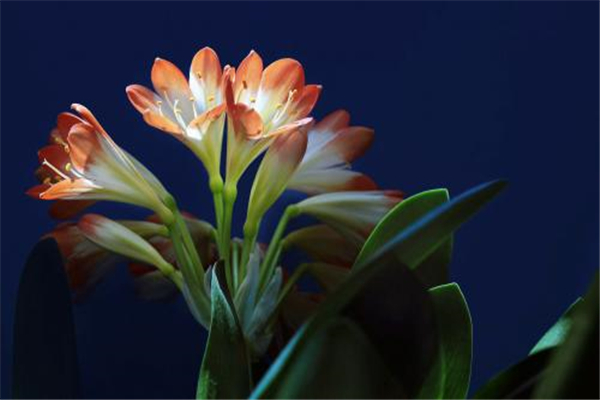
This flower blooms from winter to spring. If it blooms relatively early, pollination can begin in December, while if it blooms relatively late, it can begin in April or May. Some may also bloom in summer, but the temperature will be very high, the pollination quality will not be very good, and the flowers are also very easy to fade. March is when it blooms most, and this period is also the best time for pollination.
2. Hand pollination
This flower can rely on insects for pollination, but if it is placed indoors in winter or spring, no insects will come, so we can pollinate by hand.
3. Parent selection
We should know that if the plant is crossbred between distant relatives, the offspring will be more robust and have strong adaptability. If it is self-pollinated, it will set relatively few seeds, and even if it does set seeds, they are difficult to germinate and will not develop very well. We can choose different plants of the same variety, but it is best to choose different plants of different varieties, as this way it will set more seeds and the offspring will also grow well. In addition, we should pay attention to its traits. The color and size of the flowers as well as the length of the leaves are all affected by heredity, so we should consider the characteristics of the parent plants to make up for each other's shortcomings and pollinate selectively.
4. Flowering habits
We should know that if we want to ensure the plant can set more seeds, we still need to understand the relevant characteristics of the flowers. Each flower of this plant can basically stay open for about twenty days or so. The higher the temperature, the more it blooms, and each inflorescence will have a dozen or twenty flowers, so the average flowering period of the flowers on the whole inflorescence is about forty to fifty days.
5. Pollination steps
The one in the flower with three forks is the pistil, and the others with anthers are the stamens. Just dab the pollen from the stamens onto the three-forked stigma. If the pollen is very precious, you can use a sewing needle to pick up the pollen. The best time to apply the pollen is when the stamens burst with pollen and the three-forked stigma is sticky. Carrying out this operation at noon will have a higher success rate, and plants blooming in the first year are not very good and are easy to damage. If you want to store pollen, it can be refrigerated for a short time, and for a long time it needs to be frozen, with the temperature below five degrees.