-

What to Do When a Clivia's Flower Stalk Gets Stuck? Causes and Solutions Explained
What to do when a clivia's flower stalk gets stuck, causes and solutions for a clivia's stuck flower stalk
-
How to Grow Clivia: A Guide to Cultivating Excellent Clivia
How to Grow Clivia: Methods for Cultivating Excellent Clivia
-
What to do about root rot in clivia? A few steps to solve it
What to do about root rot in clivia: a few steps to solve clivia root rot
-
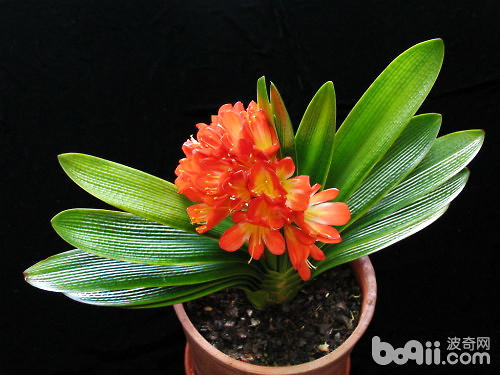
What are the reasons why Clivia does not bloom?
Why does Clivia not bloom? For a Clivia that has reached flowering age, failure to bloom normally is mainly due to the following reasons: ① Too much nitrogen fertilizer and too little phosphorus and potassium fertilizer, so it does not form buds when it comes time to bud and bloom. ② Too strong sunlight in summer has an adverse effect on budding and blooming. ③ In winter it is placed in a place with too high a temperature
-
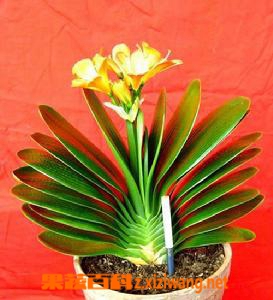
How to Handle Root Rot in Clivia? Teach You the Correct Remedies
How to handle root rot in clivia. Clivia is a fleshy-rooted plant; if environmental conditions are poor or care is improper, root rot is often caused. Generally, during the seedling stage, rot often starts below the leaf base, while mature plants rot from the middle of the root downward. There are many causes of clivia root rot, mainly: ① Improper fertilization
-
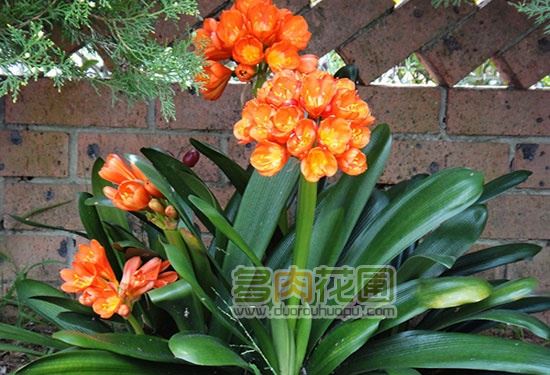
How to Handle Yellowing Leaves on Clivia? Causes and Solutions
Clivia has sturdy, vigorous sword-shaped leaves, deep green and glossy, with beautiful flowers, but improper care often causes the leaves to turn yellow, spoiling its ornamental effect. Here is a brief summary of the causes of yellowing leaves in clivia and how to prevent and treat them: Cause 1 of yellowing clivia leaves: lack of water - not watering for a long time or only watering halfway each time.
-

What are the pathological symptoms of nutrient deficiency in Clivia?
Clivia is a precious indoor ornamental flower. Clivia is easy to cultivate, but improper management can lead to failure to bloom, or even poor plant growth. Therefore, rational fertilization is one of the important conditions for growing Clivia well. According to observation and research, when Clivia lacks nutrient elements, it shows the following symptoms: when deficient in nitrogen
-
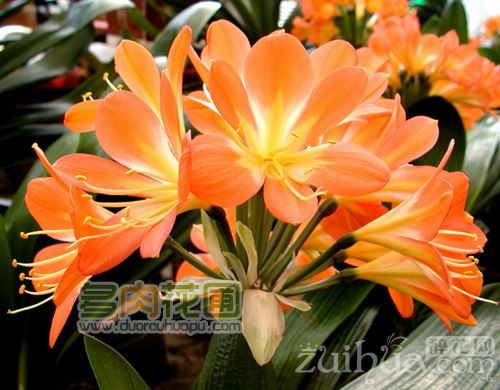
Clivia Winter Care Methods and Precautions
Clivia winter care: the optimal growing temperature for clivia is 15-25°C. When moving it indoors for the winter, care should be adjusted according to the orientation and light conditions of the home. In southern China, if the home faces south and gets sun, it can be placed by an indoor window and door, and as long as the room temperature stays above 0°C, it will overwinter safely.
-
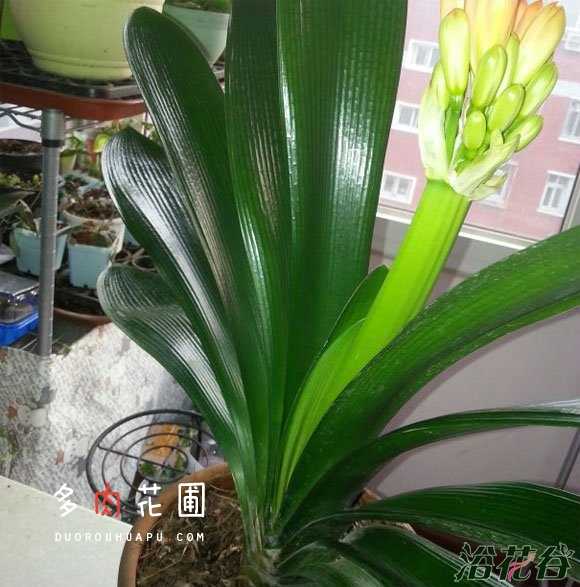
Clivia Summer Care Methods and Precautions
Clivia summer care. Clivia prefers a cool, humid, semi-shaded environment, and its suitable growing temperature is 15-25°C. If the temperature is higher than 26-28°C, it will enter a dormant or semi-dormant state. If the temperature is even higher, it will develop disease and may even die. Therefore, summer care for Clivia is crucial. If the following measures are taken,
-

How to Divide Clivia: A Detailed Guide to the Division Propagation Method
How to divide Clivia: when the plant grows to a certain size, offshoots will grow from the mother plant, sometimes one and sometimes several. This is a way for the plant to reproduce on its own. To grow more Clivia and reduce excessive nutrient consumption by the mother plant, you can divide the offshoots and plant them separately.
条件筛选