What to do about root rot in clivia? A few steps to solve it
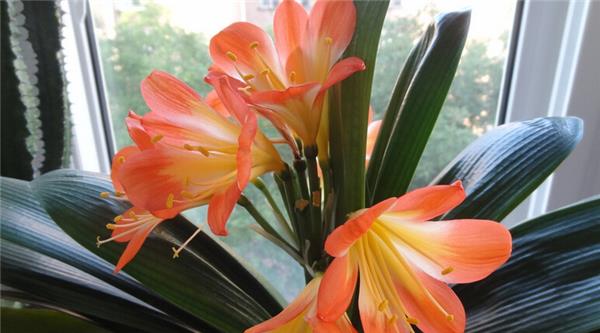
Clivia flowers are bright and colorful and have high ornamental value, but growing clivia is not so easy and requires solid cultivation skills. If clivia is not cared for enough, its leaves easily turn yellow; besides this, clivia can also develop root rot. What are the warning signs of clivia root rot? What should be done about clivia root rot? Below we introduce the causes of clivia root rot and the solutions.
Warning signs of clivia root rot
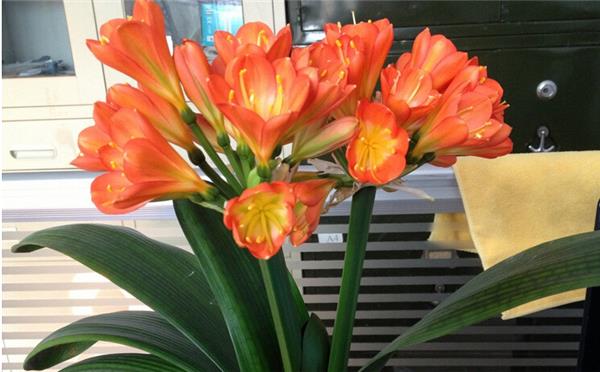
When clivia roots are damaged, the leaves gradually become thinner and lose color as a precursor, and the leaf tips gradually turning yellow is a signal. Once signs of root damage are found, the plant must be quickly tipped out of the pot, the roots washed clean, dried in the shade, then planted in plain soil to recover, and afterward returned to a cultivated soil mix for care. While changing the soil, apply plant ash or sulfur powder to the wounds to prevent rot. After changing the soil, move the pot to a shady place and protect it from rain, but spray the leaf surfaces with clean water every day to keep the leaves and the surface soil moist. This not only supplies water to the leaves but also keeps the injured roots in a dry environment, thereby promoting the wounds to shrink, dry, and heal quickly. When the softened parts of the leaves stop spreading and all the softened parts have completely dried up, gradually increase the amount of water from little to more until normal care is resumed.
What to do about clivia root rot
☆ -- Improve the quality of the nutrient soil
The nutrient soil has poor permeability; the soil is either too decomposed or too raw. The oak leaves used before preparing the nutrient soil must not be overly rotted or overly raw. If raw oak leaves that have not been rotted are used to prepare the nutrient soil, fermentation after being put into the pot will produce heat; but if the oak leaves used are too rotted and too little river sand is added, the soil will quickly turn to mud after being put into the pot. Under conditions where this kind of soil is sticky, has high water content that does not evaporate easily, and has extremely poor permeability, root rot easily occurs. In many cases bacteria enter through wounds, so when repotting, be careful not to injure the leaves or root crown. All the above factors will cause the root system to begin to discolor and rot locally, and in severe cases the entire root system will rot completely within a very short time.
☆ -- Adjust the amount of fertilizer and water appropriately
Do not apply too much fertilizer to clivia, otherwise heat will be produced and burn the roots, causing rot. Watering must also be moderate; too much will make the nutrient soil hold too much water, reduce permeability, make it hard for the roots to breathe, and cause root rot. Be careful not to water the heart of the clivia.
☆ -- Prevent the nutrient soil from carrying bacteria and multiplying them
In hot and humid environments, prevent bacterial reproduction and pathogen infection; in such environments bacteria multiply in large numbers and directly attack the root system, causing root rot. Therefore, in the high-temperature seasons of summer and autumn, excessive fertilizing and watering very easily lead to root rot disease. Strengthen cooling and ventilation, control mechanical damage caused by people during high-temperature seasons, and spray pesticides in time to prevent insect bites, reducing the reproduction and spread of pathogens. Sometimes pathogens overwinter in the soil along with diseased plant residues, so the flower soil must be sterilized when changing the soil in spring.
☆ -- Methods for preventing and treating clivia root rot
During the cultivation of clivia, observe frequently, and if root rot is found, treat it immediately. Take the plant out, remove the rotted roots, rinse the roots with a 1% potassium permanganate solution for disinfection, or apply some charcoal powder to the affected areas, and dry the roots in sunlight in a greenhouse for about 30 minutes. If more than 50% of the roots are rotted or all are rotted, after treating them by the above method, use river sand to encourage new roots. The rooting temperature should be higher than the usual temperature, generally controlled at around 22-30°C. After about 2 months, new roots will grow, and then it can be transplanted into a pot of nutrient soil.
No matter how promptly clivia root rot is rescued, it will cause irreparable losses to the plant's growth and flowering, and it will still take quite a long time to fully recover its vigor. Therefore, in ordinary times, do preventive work as much as possible to avoid the occurrence of clivia root rot. What are the main measures to prevent clivia root rot?
Measures to prevent clivia root rot
☆ -- 1. Make good cultivation soil.
Practice has shown that preparing it with 4 parts peat soil, 4 parts leaf mold, and 2 parts coarse sand makes a loose, fertile acidic cultivation soil with good drainage and aeration. Using this kind of cultivation soil to grow clivia is beneficial to a well-developed and robust root system and can effectively avoid root rot.
☆ -- 2. Choose a suitable flower pot.
A clay pot with good water absorption and aeration is more suitable, especially a tall cylindrical clay pot, which is better because it not only helps the clivia root system extend downward, but also, because the distance between the pot wall and the root system is small and water seeps out quickly, prevents the soil around the roots from staying wet for a long time. The size of the flower pot should be changed according to the development and growth of the clivia plant; it is not suitable to plant a small seedling in a large pot or cram a large plant into a small pot.
☆ -- 3. Do not water too much or too often.
Water again only when the surface of the potting soil is dry; after watering thoroughly once, it can go several days without watering. If the potting soil has too much water content for a long time, the fleshy roots of clivia are easily soaked and rotted. In spring and autumn, clivia grows vigorously and can be watered somewhat more. In summer, strictly guard against prolonged rain and standing water. In winter, decide according to indoor temperature and humidity; generally water about once every 1 week.
☆ -- 4. Fertilizing should be moderate.
Do not use concentrated fertilizer on clivia, especially not raw fertilizer that has not been fully rotted. Do not fertilize during the high-temperature season in early summer. During the normal growing period, about once every 10 days, apply a fully rotted, dilute organic liquid fertilizer, and also spray a solution of 0.2% urea and 0.1% potassium dihydrogen phosphate as a foliar topdressing.
 That is all for knowledge on clivia cultivation and so on. As for what to do about clivia root rot and how to prevent clivia root rot, I believe reasonable explanations have already been provided. I hope this article can help everyone grow clivia better.
☆ -- 2. Choose a suitable flower pot.
A clay pot with good water absorption and aeration is more suitable, especially a tall cylindrical clay pot, which is better because it not only helps the clivia root system extend downward, but also, because the distance between the pot wall and the root system is small and water seeps out quickly, prevents the soil around the roots from staying wet for a long time. The size of the flower pot should be changed according to the development and growth of the clivia plant; it is not suitable to plant a small seedling in a large pot or cram a large plant into a small pot.
☆ -- 3. Do not water too much or too often.
Water again only when the surface of the potting soil is dry; after watering thoroughly once, it can go several days without watering. If the potting soil has too much water content for a long time, the fleshy roots of clivia are easily soaked and rotted. In spring and autumn, clivia grows vigorously and can be watered somewhat more. In summer, strictly guard against prolonged rain and standing water. In winter, decide according to indoor temperature and humidity; generally water about once every 1 week.
☆ -- 4. Fertilizing should be moderate.
Do not use concentrated fertilizer on clivia, especially not raw fertilizer that has not been fully rotted. Do not fertilize during the high-temperature season in early summer. During the normal growing period, about once every 10 days, apply a fully rotted, dilute organic liquid fertilizer, and also spray a solution of 0.2% urea and 0.1% potassium dihydrogen phosphate as a foliar topdressing.
That is all for knowledge on clivia cultivation and so on. As for what to do about clivia root rot and how to prevent clivia root rot, I believe reasonable explanations have already been provided. I hope this article can help everyone grow clivia better.