What causes rose cuttings to turn black after propagation?
For home gardeners, potted rose seedlings are generally obtained through cuttings, and the method is relatively simple: you can root them in soil or in water. As long as the cutting method is sound and the care is reasonable, both methods are very easy to succeed with. However, problems can sometimes still arise. The most common issue during propagation is rose cuttings turning black after being struck, so what is going on?
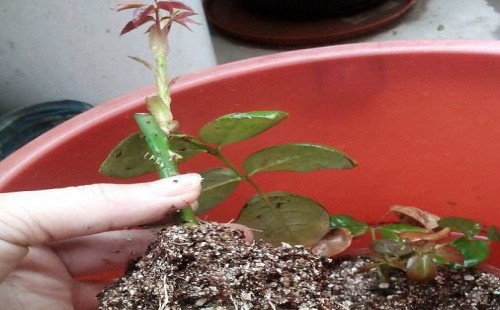
As everyone knows, roses are usually propagated by cuttings in summer, and summer temperatures are relatively high. Generally, keeping the ambient temperature between 25°C and 30°C is more conducive to the rooting and sprouting of the stems, so the cutting activity should be carried out in this temperature range. So what happens if the temperature of the cutting environment exceeds 30°C?
In fact, for propagating young rose plants from cuttings, whether in water or in soil, the temperature of the cutting environment should not be too high. If the temperature frequently exceeds 30°C, the cuttings are quite prone to turning black and even rotting. This is mainly because high temperatures, a relatively humid environment, and poor ventilation often create a comfortable hotbed for pathogens. Under infection and attack by pathogens, blackening of the cuttings is very easy and even unavoidable.
Now that we know the reasons why rose cuttings turn black during propagation, we need to take preventive measures in advance so that the propagation can succeed. So, to avoid cuttings turning black during propagation, what should we do?
1. If propagating young roses by water rooting, we must keep the ambient temperature between 25°C and 30°C. Also, to keep the water clean, we need to change the water frequently; the higher the temperature, the more often the water should be changed. At the same time, we need to ensure good ventilation in the environment and avoid a hot, humid, stuffy environment. This will prevent rose cuttings from turning black during water propagation.
2. If propagating young roses by soil rooting, we likewise need to avoid a stuffy, hot and humid environment, otherwise the cuttings will still turn black. First, make sure the cutting medium has good permeability and does not become waterlogged; at the same time, make sure the cutting environment stays between 25°C and 30°C. It is recommended to place them in a shaded spot on a balcony to ensure good ventilation. This will also keep soil-propagated roses from developing blackened cuttings.
In short, whether propagating young roses by water rooting or soil rooting, the cutting environment must avoid hot, humid and poorly ventilated conditions. Only then can you effectively prevent the cuttings from turning black and rotting, and successfully obtain healthy rooted cuttings.