-
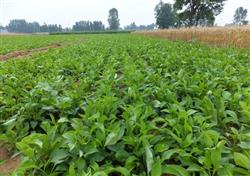
A Detailed Guide to the Cultivation Techniques and Growing Methods of the Chinese Medicinal Herb Atractylodes macrocephala
Cultivation Techniques 1. Raising Seedlings (1) Preparing the Seedbed One month before sowing Atractylodes macrocephala, turn the soil, cover it with a 30 cm thick layer of weeds, and burn the soil to disinfect it and prevent pests and diseases. Immediately after burning, turn the grass ash into the soil. If the soil is not to be burned, it can be turned in the previous winter so that the soil is fully weathered by freezing. The land...
-
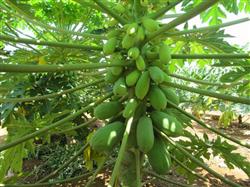
Papaya planting techniques: How do you plant and manage Xuan papaya (Chinese flowering quince)?
How do you plant and manage Xuan papaya (Chinese flowering quince)? Please provide guidance. For the planting and management of Xuan papaya (Chinese flowering quince), you can refer to the following: I. Land preparation and planting. 1. Site selection and land preparation. For the cutting seedbed, it is best to choose flat, sunny, fertile, loose, well-drained sandy soil, where cuttings root easily after insertion. There should be a water source near the seedbed for irrigation...
-
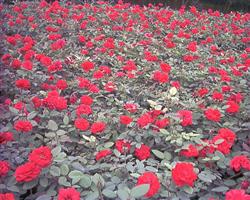
How to plant Chinese roses (Rosa chinensis) so they grow well? A detailed guide to planting methods
How should Chinese roses be planted properly? Here is a detailed guide. You can refer to the following planting methods for Chinese roses: For graft propagation, use wild rose or a dedicated rootstock variety as the rootstock, and graft by either cleft grafting or bud grafting. Sow the rootstock in early April of the previous year and transplant it in April of the second year. The seedbed should be fertile, loose sandy soil...
-
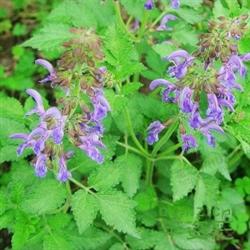
What are the cultivation and management techniques for the Chinese medicinal herb Salvia miltiorrhiza (danshen)?
How should the Chinese medicinal herb Salvia miltiorrhiza be managed when grown? Please give some guidance. When growing the Chinese medicinal herb Salvia miltiorrhiza, it can be managed as follows: (1) Cultivation and weeding: generally cultivate and weed three times, once in April when the seedlings are about 10 cm tall; once around flowering in early June, and once in late August, while normally removing weeds as soon as they appear. (2) Topdressing: during the growing...
-
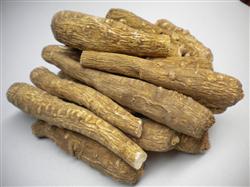
Cultivation Methods and Key Technical Points for the Chinese Medicinal Herb Angelica dahurica
How do you cultivate the Chinese medicinal herb Angelica dahurica? What are its environmental requirements? An introduction to Angelica dahurica cultivation techniques: 1. Biological characteristics of Angelica dahurica. Angelica dahurica prefers warm and humid conditions with plenty of sunlight; it fears high temperatures, can tolerate cold, and has strong adaptability. 1. Light requirements. Experimental studies have found that light can promote the germination of Angelica dahurica seeds...
-
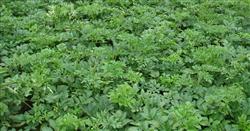
Detailed Explanation of the Key Cultivation Techniques for the Chinese Medicinal Herb Angelica Dahurica
Introduction to the cultivation techniques for the Chinese medicinal herb Angelica dahurica: (1) Site selection and land preparation. Angelica dahurica is best cultivated on flat land. A deep, loose and fertile sandy loam is preferable. The previous crop is generally rice, corn, sorghum, cotton, etc. After the previous crop is harvested, apply decomposed compost, or barnyard manure 3000-5000 kg, and phosphate fertilizer 5...
-
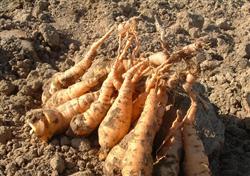
How to harvest Rehmannia (Chinese foxglove)? Detailed guide to the correct method
How to harvest Rehmannia (Chinese foxglove)? Here is the method. Rehmannia planted in spring and summer is harvested in November of the same year, when the plants wither. First remove the above-ground leaves, then start digging at one end of the bed, making a trench 35 cm deep, and carefully dig out the rhizomes one by one. Click to get more Rehmannia cultivation techniques. Click to get more medicinal herb cultivation techniques.
-
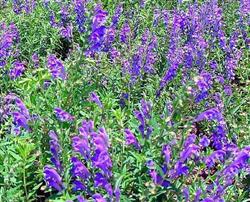
Common Diseases of Scutellaria baicalensis (Chinese Skullcap) and Their Control Methods
What diseases need to be controlled when growing Scutellaria baicalensis? Here is an introduction. The diseases that need to be controlled when growing Scutellaria baicalensis are the following two: 1. Leaf blight. ① Occurrence period and symptoms. It is prone to occur during hot and rainy seasons. It begins with irregular dark brown lesions at the leaf tip or leaf margin, gradually extending inward, causing the leaves to dry up...
-
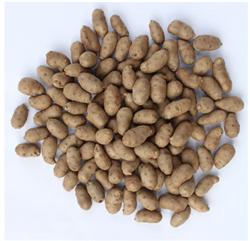
What are the cultivation techniques and precautions for Chinese yam (Dioscorea polystachya)?
I plan to grow Chinese yam, but what should I pay attention to when growing it? Please give guidance. When newly growing Chinese yam, pay attention to the following 4 points for reference. 1. Seed selection for yam cultivation: when selecting seeds, farmers often focus only on immediate interests and habitually choose good-quality, uniformly sized tubers for sale, keeping the inferior, deformed, and diseased root tubers and tubers for seed...
-
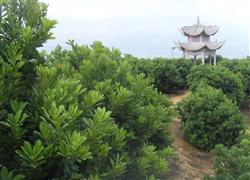
What are the key technical points for autumn management of bayberry trees (Morella rubra, Chinese bayberry)?
How should bayberry trees be managed in autumn? Please provide an introduction to the management methods. Autumn management of bayberry trees mainly includes fertilisation, watering, pruning and pest and disease control. For detailed methods, refer to the following list: 1. Soil management of the bayberry orchard: for young orchards, it is advisable to carry out hole expansion and soil improvement in autumn; when expanding the holes and deep ploughing, combine this with deep application of green manure, ...
条件筛选