-
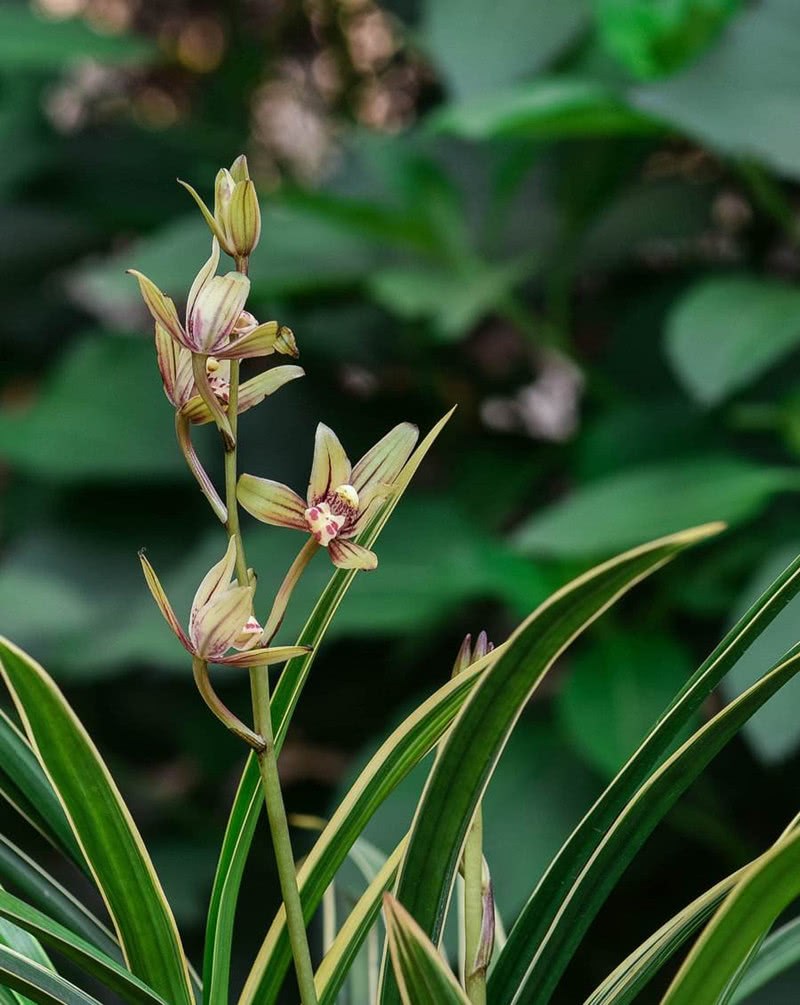
Exclusive flower-growing secret formula: 3 ingredients to make Chinese roses burst with blooms, orchids burst with roots, and jasmine burst with fragrance
Master gardeners are found among the common people. This little gardener knows a flower grower who is very good at using the waste around him to grow flowers. If you grow a batch of flowers at the same time as he does, you will find that he is ahead of the game right from the start. Does he have some kind of "secret...
-

Key Cultivation and Management Techniques for Early Bearing and High Yield of Chinese Olive
Cultivation and Management Techniques for Early Bearing and High Yield of Chinese Olive
-
A Complete Guide to High-Quality, High-Yield Cultivation Techniques for Chinese Torreya
High-Quality, High-Yield Cultivation Techniques for Chinese Torreya
-
Detailed Explanation of Key Points for Autumn Chinese Cabbage Cultivation Techniques
Autumn Chinese Cabbage Cultivation Techniques
-
Fertilizing and Watering Chinese Cabbage This Way Makes the Heads Firmer
From the perspective of the entire growth period of Chinese cabbage, it goes through three stages: the seedling stage, the rosette stage, and the heading stage. During the seedling stage, Chinese cabbage absorbs few nutrients, accounting for only 10%, and the rosette stage accounts for 30%. During this period, production should control water and fertilizer, especially nitrogen fertilizer, so that the cabbage leaves grow slowly. This is also called the seedling hardening period. Do not let too much water cause...
-
How to grow Chinese cabbage in summer? Detailed explanation of key cultivation techniques
Symptoms of Chinese cabbage soft rot: 1. This disease mainly occurs after the cabbage heads form. It generally invades through wounds at the base of the leaf stalks, forming a water-soaked infected area, which then gradually expands and turns pale grayish-brown, with the tissue becoming slimy, soft and rotted, accompanied by a foul odor, known as "rotten gourd" or "rotten lump." The diseased part can...
-
Detailed Explanation of High-Yield Cultivation Techniques for Chinese Cabbage in Summer and Autumn
In summer, temperatures are high and pests and diseases occur severely, making the cultivation of pak choi difficult, so field management should be strengthened. Thinning and weeding: carry out the first thinning when the seedlings begin to form a "cross" shape; it should be done early rather than late, thinning out overly dense small seedlings. Carry out the second thinning when the seedlings have 4 true leaves, removing weak and diseased seedlings, and at the same time, in line with market conditions...
-
Key Points of High-Yield Cultivation Techniques for Spring Chinese Cabbage in Greenhouses
Key Points for High-Yield Cultivation of Spring Chinese Cabbage in Greenhouses
-
Integrated pest and disease control methods for the three growth stages of Chinese cabbage
Integrated control of pests and diseases in the "three stages" of Chinese cabbage
-
Key Technical Points for Autumn and Winter Field Management of Chinese Milk Vetch
Autumn and Winter Field Management of Chinese Milk Vetch
条件筛选