-
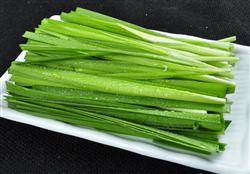
Why is pesticide residue so common in Chinese chive cultivation?
Why does Chinese chive easily retain pesticide residue? Please explain the reasons. Nowadays many people say that "Chinese chive very easily retains pesticide residue," but few can explain clearly why. To understand why Chinese chive has pesticide residue, we must start with the pests and diseases that Chinese chive needs to be protected against. Reporters learned yesterday that a...
-
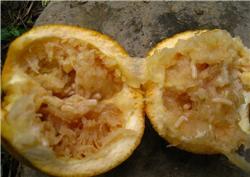
What are the control methods for the Chinese citrus fruit fly?
What harm does the Chinese citrus fruit fly cause? How do you control the Chinese citrus fruit fly? We also ask experienced netizens to help explain. The Chinese citrus fruit fly is commonly known as citrus maggot, and infested fruit is called maggot fruit. It generally begins to occur during the citrus fruit-swelling stage, so Zhongdiwang has compiled the harm and control methods of the Chinese citrus fruit fly, listed in detail below for netizens...
-

What to Do If Your Hands Itch After Peeling Chinese Yam? A Few Quick Ways to Stop the Itch
What should you do if your hands itch right after peeling Chinese yam? What is the best way to peel Chinese yam? Please help. To deal with itchy hands from peeling Chinese yam, you can use the following methods: Method 1: Rub with ginger. Apply a little ginger juice immediately after the itching starts, and it can quickly stop the itch. This is because ginger contains volatile oils that promote blood circulation, warm the body, and stimulate the nerves. Met...
-

The fruit of the Coriaria nepalensis (Chinese coriaria) turns from bright red to purplish black, tastes sweet with a slight astringency, and is highly poisonous; never eat it by mistake.
Coriaria nepalensis fruit, also known as poison empty wood, water coriaria, duck-feed wood, chicken-plague firewood, and horse saddle, among other names, is a plant of the family Coriariaceae, growing on hillsides or in mountain gullies, and is commonly seen in the southern provinces of our country. The Coriaria nepalensis fruit is pea-sized, round and fleshy, and green when unripe...
-

How to manage Chinese chives in autumn? Master these technical points
How to manage Chinese chives in autumn? How should Chinese chives be managed as autumn approaches? We ask netizens with experience growing Chinese chives to help explain. Chinese chives are a perennial root vegetable with strong adaptability, cold- and heat-tolerant, and are cultivated everywhere across the country. In many areas of the south they can be produced year-round, while in the north the aboveground part in winter, although...
-
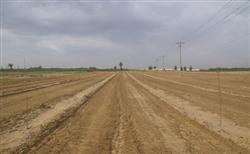
Where can I learn Scutellaria baicalensis (Chinese skullcap) cultivation techniques?
Where can I find Scutellaria baicalensis cultivation techniques? We ask netizens to help introduce them. Zhongdiwang has compiled Scutellaria baicalensis cultivation techniques, listed below for netizens' reference. 1. Conditions suitable for Scutellaria baicalensis growth: Scutellaria baicalensis can grow in areas with an annual average temperature of 4-10°C, an annual accumulated temperature of 2500-4000°C at ≥10°C, and a frost-free period of 120-18...
-
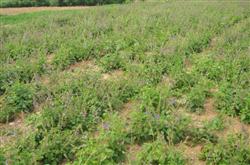
What are the cultivation techniques for Scutellaria baicalensis (Chinese skullcap)? Detailed explanation of key growing points
What are the cultivation techniques for Scutellaria baicalensis? What issues should be noted when growing Scutellaria baicalensis? We ask experienced netizens to help share. Zhongdiwang has compiled the cultivation techniques and management methods for Scutellaria baicalensis, listed below for netizens' reference. Selection and preparation of the cultivation site for Scutellaria baicalensis: when growing Scutellaria baicalensis, choose...
-
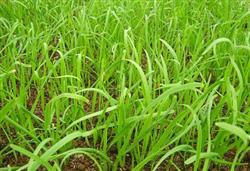
How should fertilizer be applied when growing Chinese chives?
How should fertilizer be applied when growing Chinese chives? Please explain how best to fertilize Chinese chives. Please explain the method. From seed germination to flower bud differentiation, Chinese chives are in the vegetative growth period. During this period, the roots, stems and leaves mainly grow, and it is further divided into the germination period, seedling period, peak vegetative growth period and overwintering dormant period. From the beginning of flower bud differentiation to...
-

Chinese Paladin 3: When the Evil Sword Immortal makes Jing Tian eat the meat that Bi Ping is carrying, who noticed Bi Ping's expression?
I'm sure everyone has watched Chinese Paladin 3 many times by now, and I myself have watched it many times too, and I really think it's very good. But the most classic and most memorable scene in it should be considered the one with Bi Ping...
-
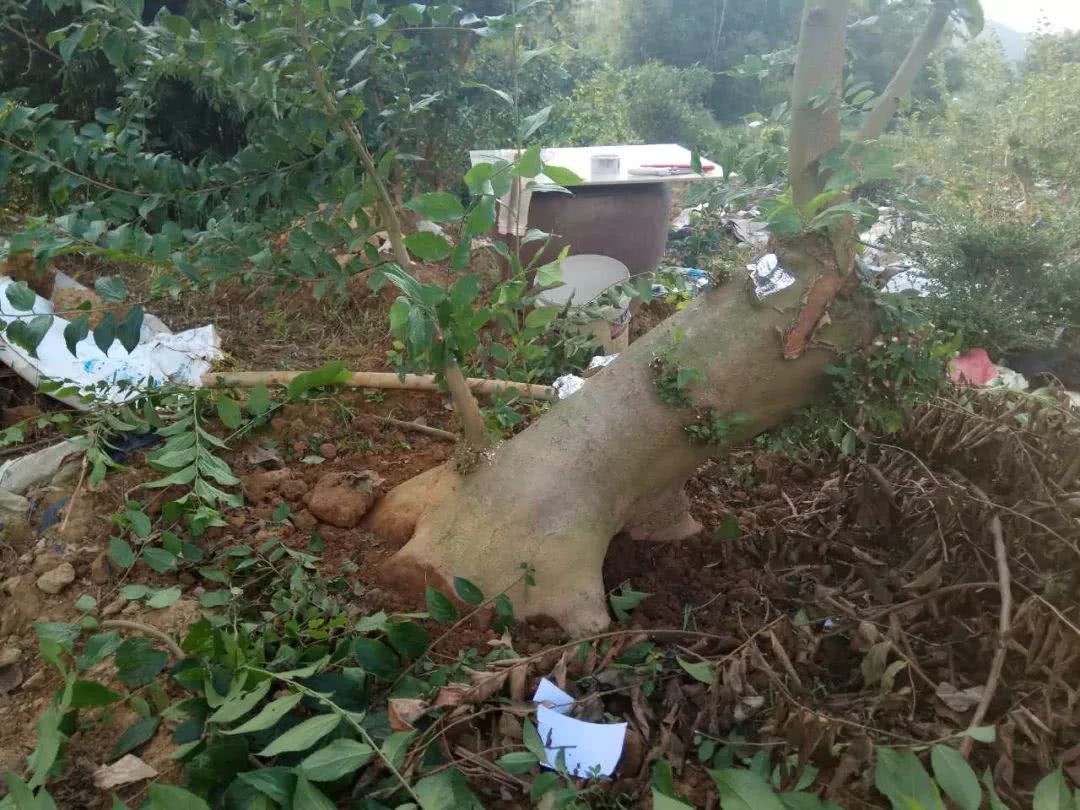
In the styling design of Chinese hackberry (Celtis sinensis) bonsai, breaking the trunk is an effective means of speeding up the transition.
Advantages of the stump material: 1. The front root flare of the stump base is strong, with a reasonable distribution. 2. The trunk leans at 45 degrees, rising along a parabolic curve, which gives the emerging branches a powerful, vigorous force. 3. The apex branch has been grown out fully, making it easy to form a suitable transition. Material sourcing and cultivation measures 1. Art...
条件筛选