-
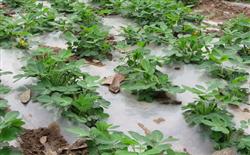
Proper use of chlormequat in peanut cultivation
How is chlormequat used in peanut cultivation? Please give an introduction. Chlormequat is a broad-spectrum plant growth retardant, and its main physiological functions are: 1) inhibiting excessive vegetative growth and cultivating strong seedlings; 2) delaying the senescence of stems and leaves and postponing maturity; 3) inducing flower bud differentiation; 4) controlling apical dominance, reshaping the plant architecture, making the plant compact...
-
Which pests can fonofos control? Detailed explanation of pesticide characteristics
What is fonofos? Which pests can it control? Please explain. Fonofos is also called Dafenglei. It is a dithiophosphate ester insecticide. It is highly toxic to humans and livestock. It is mainly used to control underground pests in various crops. The formulation is 5% granules. It controls underground pests in peanut, wheat, corn, soybean and other fields...
-
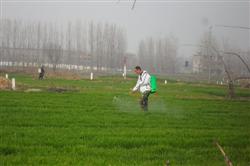
What are the effective ways to improve the efficacy of fungicides?
What methods can improve the efficacy of fungicides? Please introduce the following methods you can refer to for improving fungicide efficacy: Mix concentrations properly. Different fungicides have specific requirements for their application concentration. When mixing the concentration, you must strictly follow the "instruction manual" and must not increase or decrease it at will. Choose the right spraying...
-
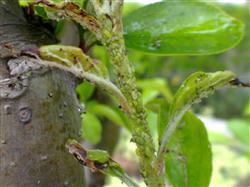
How to control aphids on fruit trees? These methods are simple and effective
How to control aphids when growing fruit trees? Please introduce effective and practical control methods. The harm caused by aphids: when aphids pierce and suck plant sap, they secrete saliva, and because this saliva is toxic to plants, after it is injected into plant tissues it often causes leaf spots, curled and wrinkled young leaves, galls, tumors and various other types of damage...
-
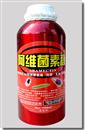
How to use abamectin for the best results? A detailed guide to the correct application method
How can abamectin be used for the best results? What is the insecticidal mechanism of abamectin? Generally, how much pesticide is enough for which pests? Please give an introduction. Insecticidal mechanism of abamectin: It has stomach poison and contact action against mites and insects, but cannot kill eggs. Abamectin sprayed on the leaf surface decomposes and dissipates quickly, but the active ingredient that penetrates...
-
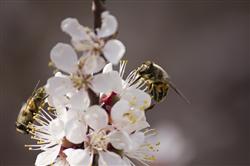
What precautions should be taken when using abamectin?
What should be noted when using abamectin? Please give guidance. The following points should be noted when applying abamectin: 1. Abamectin is toxic to bees, and must not be used on flowering crops during the honey-gathering period of bees. 2. Abamectin is sensitive to aquatic plankton, and this agent should not be used to pollute fish ponds and rivers. 3...
-
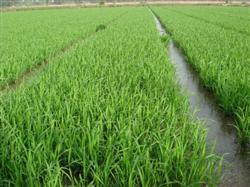
What are the correct methods for using carbofuran?
How is carbofuran used? Which crops can carbofuran be used on? How is carbofuran used safely? Please give an introduction. The crops on which carbofuran can take effect include rice, cotton, tobacco, sugarcane, soybean, peanut, corn, vegetables, etc. The following is a detailed introduction to the methods of using carbofuran on various crops for reference. Rice use...
-
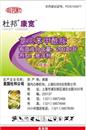
What is Dupont Kangkuan? Which pests can it control? How effective is it?
Dupont Kangkuan is a compound formulated from chlorantraniliprole and an organofluorine surfactant. "Its insecticidal mechanism is completely different from all previous insecticides: it activates the ryanodine receptors in the pest's muscles, causing unrestricted release of internal calcium ions, preventing muscle contraction, and thereby making the pest stop feeding rapidly,...
-
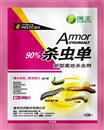
What kind of pesticide is monosultap, and which pests can it control?
Monosultap, also called shachongdan or monosodium salt, is a nereistoxin-type insecticide whose chemical structure is extremely similar to that of bisultap. That is, bisultap is a disodium salt, while monosultap is a monosodium salt; therefore its insecticidal characteristics and target pests are the same as those of bisultap, and its application methods and precautions are also the same as those of bisultap. Because monosultap...
-
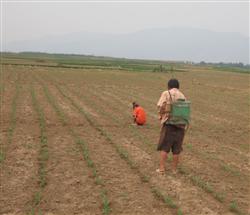
What are the first aid measures for paraquat poisoning?
What is paraquat poisoning like? What should be done after paraquat poisoning? We ask netizens to help advise. The principle of paraquat poisoning: paraquat can be absorbed through the gastrointestinal tract, skin and respiratory tract. Because it is non-volatile, poisoning through inhalation is generally unlikely. If the skin is exposed to paraquat for a long time, or briefly exposed to high concentrations...
条件筛选