-
How effective is paraquat as a herbicide? Explained clearly in one article
How effective is paraquat? How should paraquat be used for good results? At the request of readers, Zhongdi Network has compiled the characteristics and usage methods of the herbicide paraquat, listed below for readers' reference. Characteristics of paraquat: 1. Kills anything green on contact - weeds and crops alike are wiped out. 2. Fast weed-killing speed...
-

How Effective Is Chitosan Pesticide? A Full Analysis of Its Practical Applications
How effective is chitosan pesticide? What benefits does chitosan pesticide have? Which crops can chitosan pesticide be used on? Please note that the effects of chitosan pesticide include the following: (1) Improvement of the soil ecological environment. (a) Culture medium effect: chitosan is a nutrient source and health supplement for beneficial soil microorganisms...
-
What are the precautions for seed soaking with pesticides? Growers need to know
What should be noted when soaking seeds with pesticides? Please note the following points when using pesticides to soak crop seeds (for reference): 1. Pay attention to choosing the formulation of the pesticide. Seed soaking with pesticides uses a diluted solution of the pesticide, so the pesticide used must be soluble in water. Powders cannot be used for seed soaking, because powders do not dissolve in water; the powder floats on the water surface...
-
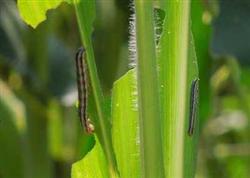
What kind of pest is the corn armyworm? Detailed explanation of control methods
What is the corn armyworm, what damage does the corn armyworm cause, and how do you control it? Readers asked for help with an introduction and control methods. Zhongdi Web has compiled the damage caused by the corn armyworm and its control methods, listed below for readers' reference. Damage caused by the corn armyworm: the corn armyworm feeds as a larva. Its feeding habits are very diverse...
-
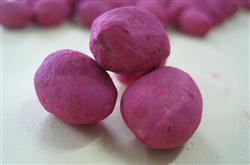
What are the precautions for using seed coating agents?
What should be noted when using seed coating agents? Experienced netizens, please help explain. Seed coating agent is a seed dressing agent containing pesticides, micronutrient fertilizers, plant growth hormones and other ingredients that is evenly coated onto the seed surface through mechanical processing. It can effectively prevent and control seedling-stage pests and diseases, supplement nutrients, and promote seed germination...
-
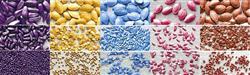
What Is Seed Coating Agent? A Comprehensive Guide
What is a seed coating agent? What are the benefits of using a seed coating agent? We also invite fellow gardeners who have used it to share their experience. Zhongdi Network has compiled information on seed coating agents, listed below for fellow gardeners' reference. What is a seed coating agent: A seed coating agent is a layer of water-containing pesticide and...
-
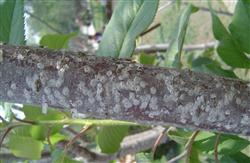
What are the harmful symptoms of scale insects on peach trees?
What harm do scale insects do to peach trees? How can they be controlled effectively? We ask netizens to help introduce this. Zhongdiwang has compiled the harm caused by scale insects to peach trees and the control methods, listed below for netizens' reference. Harm of scale insects to peach trees: Scale insects, also called white peach scale, are a pest that commonly and severely occurs on peach trees...
-
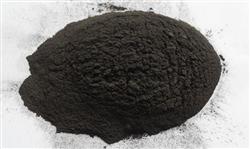
What are the functions and benefits of biochemical fulvic acid?
What are the functions of biochemical fulvic acid? Please introduce biochemical fulvic acid. You can refer to the following introduction: 1. Drought resistance and water saving, stress resistance and disaster reduction. The effective period of fulvic acid in inhibiting plant transpiration can last more than 28 days. Within 24 hours after spraying, it can make the plant stomata close appropriately, and after 5 days it can reduce the transpiration intensity of plants...
-
Correct methods for using sodium biochemical fulvate
How is sodium biochemical fulvate used? Please provide an introduction to its usage methods. Biochemical fulvic acid is divided into: fulvic acid drought-resistant agent, fulvic acid foliar fertilizer, fulvic acid pesticide synergist, compound fertilizer, organic fertilizer, continuous cropping fertilizer additive, veterinary medicine, feed additive, aquaculture water-fertilizing and water-purifying agent, and other products. For detailed usage methods, refer to...
-
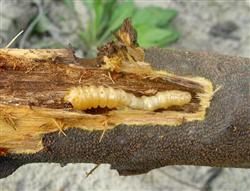
How to control longhorn beetle larvae? Detailed explanation of control methods and technical key points
How to control longhorn beetle larvae? Longhorn beetle larvae cause very severe damage to fruit trees. How should they be controlled? Please provide methods. Damage caused by longhorn beetles: larvae of the bark-girdling longhorn beetle girdle the bark (gnawing the green surface layer of the trunk); larvae of the Miezi ridge tiger longhorn beetle damage branches and trunks, boring the xylem into crisscrossing tunnels and boring toward the center of the stem, damaging the pith, then boring downward to damage the roots. This seriously affects water transport, causing weakened tree growth, withered yellow branches and leaves, and symptoms of fertilizer and water deficiency.
条件筛选