What are the correct methods for using carbofuran?
How is carbofuran used? Which crops can carbofuran be used on? How is carbofuran used safely? Please give an introduction. The crops on which carbofuran can take effect include rice, cotton, tobacco, sugarcane, soybean, peanut, corn, vegetables, etc. The following is a detailed introduction to the methods of using carbofuran on various crops for reference. Rice use...
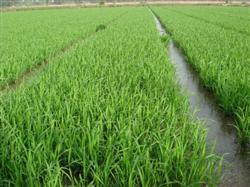 How is carbofuran used? Which crops can carbofuran be used on? How is carbofuran used safely? Please give an introduction
The crops on which carbofuran can take effect include rice, cotton, tobacco, sugarcane, soybean, peanut, corn, vegetables, etc. The following is a detailed introduction to the methods of using carbofuran on various crops for reference.
Methods of using carbofuran on rice
Carbofuran can control rice stem borers, rice planthoppers, rice thrips, rice leafhoppers, rice gall midges, rice leaf miners, rice water weevils, rice chironomids, etc.:
Root-zone application: Before sowing or transplanting, use 2.5-3.0 kg of 3% carbofuran granules per mu; the residual effect can last 40-50 days. It can also be applied before sowing in late rice seedbeds, with especially good control effect on rice gall midges.
Water surface application: Use 1.5-2.0 kg of 3% carbofuran granules per mu, mix with 15-20 kg of fine soil, stir evenly, and broadcast evenly on the water surface, maintaining shallow water; it can also control leeches at the same time. To increase the uniformity of broadcasting, mix the above dosage of 3% carbofuran granules with 10 times the amount of semi-dry soil evenly to prepare poisoned soil, use it as soon as it is mixed, and broadcast it evenly on the water surface. When water retention is good, the effective period can reach 30 days.
Seed furrow application: In upland rice planting areas, apply 3% carbofuran granules into the seeding furrow at the same time as the rice seeds, with a dosage of 2.0-2.5 kg per mu.
Dry-raised rice seedlings: 7-10 days before transplanting, broadcast 3% carbofuran granules into the seedling field, using 7-10 kg per mu (of seedling field), that is, broadcasting 10-15 g per sq m of seedling field, which can control rice leaf miners occurring in the main field.
Methods of using carbofuran on cotton
Carbofuran can control cotton aphids, cotton thrips, cutworms and nematodes, etc.:
Seed furrow application: When sowing cotton, use 1.5-2.0 kg of 3% carbofuran granules per mu, applied into the seeding furrow at the same time as the seeds. Applying with a motorized seeder equipped with a quantitative pesticide-dropping device is both accurate and safe.
Side-dressing beside the roots: Generally, furrow application or hole application is used for side-dressing. For furrow application, use 2-3 kg of 3% carbofuran granules per mu, open a furrow along the ridge 10-15 cm from the cotton plants, with a depth of 5-10 cm, and cover with soil immediately after application. For hole application, it is advisable to apply 0.5-1.0 g of 3% granules per hole. If watered after side-dressing, the effect is better. Generally, the efficacy can only be exerted 4-5 days after application.
Seed treatment: Cotton seeds should first be delinted with sulfuric acid or foamed sulfuric acid, then mix 28 ml of 35% carbofuran seed treatment agent with water per kg of cotton seed and dress the seeds.
Methods of using carbofuran in tobacco cultivation
Carbofuran can control tobacco budworms, tobacco aphids, tobacco root-knot nematodes, as well as tobacco leaf miners, small cutworms, mole crickets and other underground pests.
Application during the seedbed stage: Use 15-30 g of 3% carbofuran granules per sq m, broadcast evenly on the seedbed surface, then turn into the soil to a depth of 8-10 cm. One week before transplanting the tobacco seedlings, apply again on the soil surface, then water so that the effective ingredients of carbofuran are leached into the root zone of the tobacco seedlings, which can protect the tobacco seedlings from pest damage in the early stage after transplanting.
Application in the main field: When transplanting tobacco seedlings, apply 1-1.5 g of 3% carbofuran granules in the transplanting hole.
Methods of using carbofuran in sugarcane cultivation
Controlling sugarcane pests: Carbofuran is effective against sugarcane borers, wireworms, sugarcane aphids, sugarcane thrips and sugarcane nematodes, etc. Soil application can be adopted for all of them, applying granules in the seeding furrow, using 2.2-4.4 kg of 3% carbofuran granules per mu, and covering with soil after application.
Use in soybean and peanut plantingCarbofuranmethods
Soybean aphids, soybean root maggots and soybean cyst nematodes: Apply pesticide in the seeding furrow for control, using 2.2-4.4 kg of 3% carbofuran granules per mu, and cover with soil after application.
Peanut aphids, tobacco cutworms and root-knot nematodes: At sowing time, adopt the band application method, with a band width of 30-40 cm, using 4-5 kg of 3% carbofuran granules per mu, and turn into 10-15 cm of soil after application. At the mature plant stage of peanuts, a side furrow can be opened for application, applying 33 g of 3% carbofuran granules per 10 m length of furrow, then covering with soil.
Use in corn plantingCarbofuranmethods
Controlling corn pests: Use 3% carbofuran granules, and at the corn funnel stage place them into the corn leaf whorl (funnel) plant by plant at a dosage of 3-4 granules per plant, which can achieve a good pest control effect. In addition, mix 28 ml of 35% carbofuran seed treatment agent with 30 ml of water per kg of corn seed for seed dressing, which can effectively control underground pests.
Methods of using carbofuran in vegetable cultivation
Carbofuran can control sugar beet and vegetable pests: 35% carbofuran seed treatment agent is used for seed dressing of sugar beet, rapeseed and many other crops, controlling flea beetles, weevils, thrips, aphids and many other pests during the seedling stage.
Carbofuranhas the advantages of strong adhesion, uniform spreading, not easy to fall off, good film-forming property, fast drying, glossiness, slow release, etc. For sugar beet, use 23-28 ml of 35% carbofuran seed treatment agent per kg of seed, add 40-50 ml of water, mix evenly, and then dress the seeds. If also controlling sugar beet damping-off, add 8 g of 50% thiram wettable powder plus 5 g of 70% hymexazol wettable powder plus 5 ml of concentrated yield-increasing bacteria liquid and mix for seed dressing. It is best to use a seed dressing machine for dressing.
For rapeseed, use 23-28 ml of 35% carbofuran seed treatment agent per kg of seed, add 30-40 ml of water plus 8 g of 50% thiram wettable powder plus 5 g of 70% hymexazol wettable powder plus 5 ml of concentrated yield-increasing bacteria liquid and mix for seed dressing, which can achieve simultaneous control of diseases and pests and cultivate strong seedlings.
Click to get more insecticide application techniques
Click to get more pesticide application techniques