What are the first aid measures for paraquat poisoning?
What is paraquat poisoning like? What should be done after paraquat poisoning? We ask netizens to help advise. The principle of paraquat poisoning: paraquat can be absorbed through the gastrointestinal tract, skin and respiratory tract. Because it is non-volatile, poisoning through inhalation is generally unlikely. If the skin is exposed to paraquat for a long time, or briefly exposed to high concentrations...
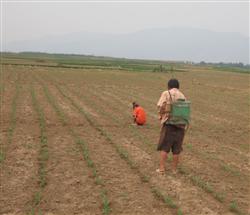 What is paraquat poisoning like? What should be done after paraquat poisoning? We ask netizens to help advise
The principle of paraquat poisoning:
Paraquat can be absorbed through the gastrointestinal tract, skin and respiratory tract. Because it is non-volatile, poisoning through inhalation is generally unlikely. If the skin is exposed to paraquat for a long time, or briefly exposed to high concentrations of paraquat, especially if broken skin or the scrotum or perineum is contaminated, it can cause systemic poisoning.
Oral poisoning is the main route of poisoning. The oral absorption rate is 5-15%. After absorption, the peak plasma concentration is reached in 2 hours, and it is rapidly distributed to the lungs, kidneys, liver, muscles, thyroid, etc., among which the lung content is relatively high and it remains there for a relatively long time. Paraquat can be partially degraded in the body, and most is excreted unchanged in the urine via the kidneys within 2 days, with a small amount also excreted in the feces.
Paraquat belongs to the moderately toxic class. Paraquat is highly toxic to humans, and the fatality rate after poisoning is relatively high. The oral lethal dose is about 2-6 g, and there are also reports of death from 1 g. The mechanism of paraquat poisoning is still not fully clear. It is generally believed to be an electron acceptor that acts on intracellular redox reactions, generating large amounts of reactive free radicals, causing lipid peroxidation of cell membranes and oxidative damage to tissue cells. Because alveolar cells have the property of actively taking up and accumulating paraquat, lung damage is the most prominent manifestation.
Symptoms after paraquat poisoning:
Symptom 1: In oral poisoning cases, there is a burning sensation in the mouth, erosion and ulcers of the mucous membranes of the lips, tongue and pharynx, difficulty swallowing, nausea, vomiting, abdominal pain, diarrhea, and even hematemesis, melena and gastric perforation. Some patients develop toxic liver disease 2-3 days after poisoning, manifesting as pain in the liver area, liver enlargement, jaundice and abnormal liver function.
Symptom 2: Cough, sputum production, chest tightness, chest pain, difficulty breathing, cyanosis, and dry and moist rales heard in both lungs.
In those who ingest a large dose of the poison, pulmonary edema and hemorrhage may appear within 24-48 hours, and death often occurs within 1-3 days due to acute respiratory distress syndrome (ARDS). In those who survive after rescue, pulmonary interstitial fibrosis may occur after 1-2 weeks, with progressive difficulty breathing, leading to death from respiratory failure. In those who do not absorb a large amount, the initial pulmonary symptoms may be, but within 1-2 weeks pulmonary symptoms gradually appear due to pulmonary fibrosis, and pulmonary dysfunction leads to refractory hypoxemia.
Symptom 3: 2-3 days after poisoning, urinary protein, casts, hematuria, oliguria, and elevated blood creatinine and urea nitrogen may appear, and in severe cases acute renal failure occurs.
Symptom 4: Manifestations include dizziness, headache, hallucinations, coma and convulsions.
Symptom 5: After skin contact with paraquat, erythema, blisters, ulcers, etc. may occur. After high-concentration paraquat liquid contacts the nails, it can cause nail discoloration, cracking and even shedding. After eye contact, it can cause conjunctival and corneal edema, burns and ulcers.
Symptom 6: Fever, myocardial damage, mediastinal and subcutaneous emphysema, epistaxis, anemia, etc.
Treatment methods after paraquat poisoning:
Method 1: There is no specific antidote for paraquat poisoning, but all effective means must be taken early in the poisoning to control the progression of the condition and prevent the occurrence of pulmonary fibrosis.
Method 2: Prevent further absorption of the poison by the body:
Remove contaminated clothing as soon as possible, and thoroughly wash contaminated skin and hair with soapy water. If the eyes are contaminated, immediately rinse with running clean water for no less than 15 minutes.
For oral poisoning, induce vomiting and perform thorough gastric lavage, while adding adsorbents (activated charcoal or 15% fuller's earth) to reduce the body's absorption of the poison, followed by mannitol or magnesium sulfate for catharsis. Because paraquat is corrosive, care must be taken during gastric lavage to avoid causing esophageal or gastric perforation and bleeding.
Method 3: Accelerate the excretion of the poison from the body:
In addition to conventional fluid infusion and the use of diuretics, it is best to perform hemodialysis or hemoperfusion within 24 hours after the patient ingests the poison. The clearance rate of the poison by hemoperfusion is 5-7 times that of hemodialysis.
Method 4: Prevent pulmonary fibrosis
Give free radical scavengers as early as possible, such as vitamin C, E, SOD, etc. Experimental reports show that glutathione and tea polyphenols can enhance the body's antioxidant capacity and have an improving effect on paraquat poisoning.
Inhalation of high-concentration oxygen should be avoided, as its inhalation can increase the formation of reactive oxygen species and aggravate lung tissue damage. Only when the oxygen partial pressure<5.3kpa(40mmhg)或出现ards时才用>inhalation of 21% concentration oxygen, or oxygen delivery by positive end-expiratory pressure breathing. In addition, early use of adrenal glucocorticoids and immunosuppressants (cyclophosphamide, azathioprine) in the early stage of poisoning may be effective for patients. But once lung injury appears, there is no obvious effect.
Method 5: Symptomatic and supportive treatment:
Protect liver, kidney and heart function, prevent and treat pulmonary edema, strengthen care for oral ulcers and inflammation, and actively control infection.
In patients with paraquat poisoning, if lung damage occurs, the prognosis is often poor and the mortality rate is high. Therefore, patients with poisoning should be closely observed for pulmonary symptoms and signs, with dynamic observation of chest X-rays and blood gas analysis, to help identify pulmonary lesions early.
Click to get more herbicide application techniques
Click to get more pesticide application techniques