-
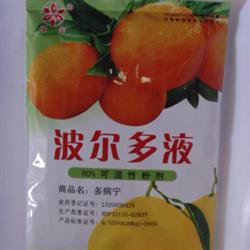
What is a non-systemic fungicide? This article gives you a detailed introduction
What is a non-systemic fungicide? Please explain. The Bordeaux mixture commonly used is a sky-blue viscous suspension prepared from copper sulfate, quicklime and water. It is alkaline and corrosive to metals. It is a non-systemic protective inorganic fungicide, and its active ingredient is basic copper sulfate. After the crop is sprayed, ...
-
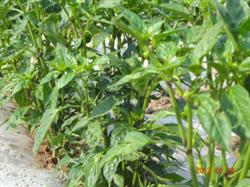
What are the precautions for using fungicides as a soil drench?
What should be noted when using fungicides as a soil drench? Please note the following points when using fungicides as a soil drench: First, in greenhouses where bacterial fertilizer has already been applied, try not to use fungicides as a soil drench for disease prevention. For land where bacterial fertilizer has been used, applying it tends to kill the beneficial bacteria in the bacterial fertilizer, causing the fertilizer to lose its effectiveness. If the crop has already developed disease, then you must...
-
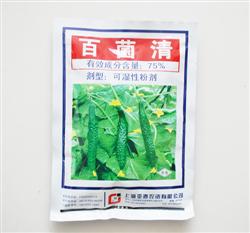
What precautions should be taken when using fungicides?
What should be noted when using fungicides? When using fungicides, note the following: 1. When choosing a fungicide, first understand the nature of the fungicide. There are two types of fungicides. One is a protective agent, which is used to prevent plant disease, such as Bordeaux mixture, mancozeb, carbendazim, etc.; the other is...
-
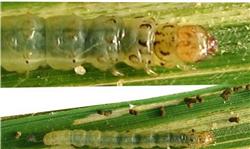
What should be noted when controlling the rice leaf roller (Cnaphalocrocis medinalis) in rice?
What should be noted when controlling the rice leaf roller in rice? Please give guidance. To control the rice leaf roller, you must first know the timing of control. The control timing is determined comprehensively through the development progress of the insect stages and the fluctuation dynamics of adults under light traps, with reference to the stage duration table and in combination with short- and medium-term weather forecasts. To ensure a true grasp...
-
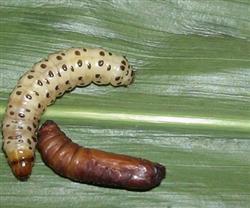
What are the control methods for ginger bacterial wilt and ginger stem borer?
How do you control ginger bacterial wilt and ginger stem borer? Please explain the control methods. For ginger bacterial wilt and ginger stem borer, the following methods can be used for control: 1. Bacterial wilt. This disease, also known as ginger rot, is the most common devastating disease in ginger production and is also the main factor restricting ginger production and quality. In recent years...
-
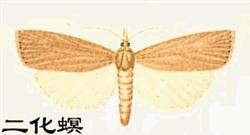
Which pesticide is effective for controlling the rice stem borer (Chilo suppressalis)?
What pesticide should be used to control the rice stem borer? Please advise. Common control agents for the rice stem borer include 25% Actara water-dispersible granules, 5% Regent suspension concentrate, 20% Haonianidong emulsifiable concentrate, 50% fenitrothion emulsifiable concentrate, Nongjiale emulsion, 5% Shachongshuang granules, 80%...
-
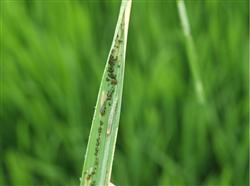
What insecticide works well to control the rice leaf roller?
What insecticide should be used to spray the rice leaf roller? Please give an introduction. The rice leaf roller's occurrence is characterized by early immigration, many peak generations, and large moth numbers, with the fifth (3rd) and sixth (4th) generations occurring continuously and severely, causing heavy natural damage. Because current high-yield cultivation uses large amounts of nitrogen fertilizer in the late stage, plus the expansion of direct-seeded rice, machine-transplanted rice and other cultivation areas, the rice growth period is delayed...
-
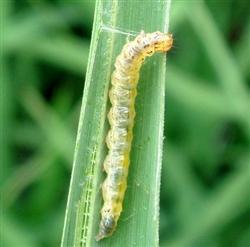
Which pesticide is effective for controlling the rice leaf roller?
Which pesticides are effective against the rice leaf roller? Please give an introduction. The rice leaf roller, also known as the rice leaf roller worm, commonly called the leaf scraper, white leaf worm, leaf folder, etc., is a major pest during the rice growing period. This pest damages rice as larvae, binding leaves into longitudinal rolls, hiding inside and chewing the upper epidermis and mesophyll; the symptom is that the damaged leaves...
-
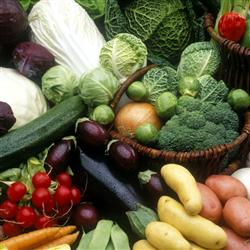
How can plant growth regulators be used safely?
How can plant growth regulators be used safely? Please provide an introduction to the methods of use. Plant hormones are organic small-molecule substances synthesized within plants at extremely low concentrations that have significant effects on plant growth and development, and are also called natural plant hormones or endogenous plant hormones. Plant hormones can be divided into corn, namely auxins, gibberell...
-
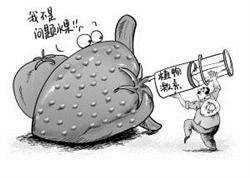
What is the difference between plant growth regulators and plant hormones?
What is the difference between plant growth regulators and plant hormones? Please give an introduction. The two concepts of plant growth regulators and plant hormones are often easily confused. Plant hormones generally refer to plant endogenous hormones, which are products of normal plant metabolism, can move from the site of synthesis to the site of action, and regulate the plant's own...
条件筛选