What precautions should be taken when using fungicides?
What should be noted when using fungicides? When using fungicides, note the following: 1. When choosing a fungicide, first understand the nature of the fungicide. There are two types of fungicides. One is a protective agent, which is used to prevent plant disease, such as Bordeaux mixture, mancozeb, carbendazim, etc.; the other is...
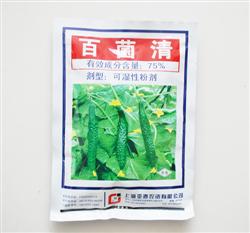
What should be noted when using fungicides?
When using fungicides, note the following:
1. When choosing a fungicide, first understand the nature of the fungicide. There are two types of fungicides.
One is a protective agent, which is used to prevent plant disease, such as Bordeaux mixture, mancozeb, carbendazim, etc.; the other is a therapeutic agent, which is applied after the plant becomes diseased to kill or inhibit the pathogens that have invaded the plant. Therapeutic agents work better when applied in the early stages of disease, such as compound fungicides like kangkuening and baozhida.
2. Fungicides should be sprayed before 9 a.m. or after 4 p.m. If sprayed under strong sunlight, the agent decomposes and evaporates easily, which is not conducive to crop absorption.
3. The interval between fungicide sprays is 7-10 days. For agents with weak adhesion and poor systemic activity, if it rains within 3 hours after spraying, re-spray after the rain.
4. Fungicides must not be mixed with alkaline pesticides. Do not arbitrarily increase or decrease the amount of fungicide used, and mix only as much as needed right before use.
5. Fungicides are mostly powders, emulsions and suspension concentrates, and must be diluted before application. When diluting, add the agent first, then the water, and stir with a stick. When mixing with other pesticides, the fungicide should also be diluted first and then mixed into the other pesticides.
Click to get more fungicide application techniques
Click to get more pesticide application techniques