-
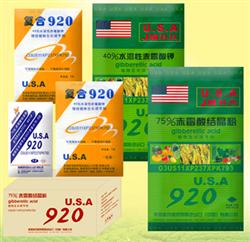
How do you use plant growth regulators correctly?
How do you use plant growth regulators correctly? To use plant growth regulators, you can refer to the following methods: 1. The concentration for preparation and use must be accurate: the concentrations of plant growth regulators used are relatively low and must be very precise. If the concentration is too high, it will slow plant growth, cause deformities, flower drop, and stop the growth of leaves and roots, and may even cause...
-
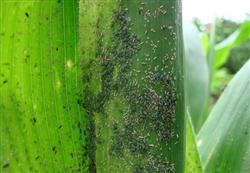
How can aphids in cornfields be controlled effectively?
How to control aphids in cornfields? Please explain the methods. Corn aphids, commonly known as "greasy bugs" or "honey bugs", harm not only corn but also crops such as sorghum and barley. They pierce and suck plant sap. Aphid numbers are very low at the seedling stage, but surge during the ear stage, secreting large amounts of "honeydew", which forms a black mold-like layer on the leaves, affecting photo...
-
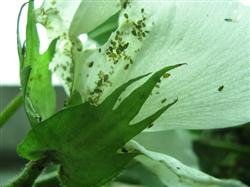
How to control aphids when growing cotton?
How to control aphids when growing cotton? Please explain the control methods. Methods for controlling aphids in cotton growing include: spraying omethoate on overwintering hosts to eliminate aphids on the overwintering hosts. The pesticide methods for controlling aphids in cotton fields include: 1. 3% acetamiprid, 1000 to 2000 times dilution per mu for spraying. 2. 5% Dingji, 2500 to 4000...
-
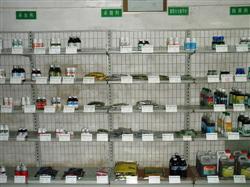
What Types of Pesticide Insecticides Are There? A Detailed Guide to Selection Precautions
1.1 Classification by composition and source: Inorganic insecticides, such as lead arsenate, calcium arsenate, arsenites, sodium fluoride, sodium fluorosilicate, sulfur, zinc phosphide, etc. Organic insecticides. Natural organic insecticides can be divided into botanical insecticides (such as derris, pyrethrum, tobacco, pine resin, santonin, toosendanin, etc.) and mineral-derived insecticides...
-
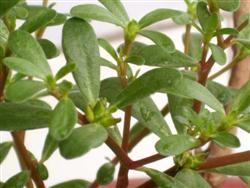
How to prevent and control flower diseases? Learn to make homemade insecticides
Common chemical agents cause varying degrees of phytotoxicity to vegetables and fruits. For example, omethoate should not be used within 30 days before harvest; malathion is phytotoxic to melons and peaches; fenitrothion is phytotoxic to cruciferous plants and should not be used within 15 days before harvesting fruits and vegetables. Dichlorvos should not be used within one week before harvesting fruit trees and vegetables...
-
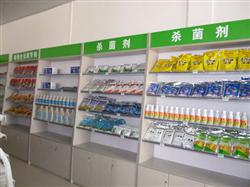
What are the common contraindications for insecticide use?
1. Chlorpyrifos is prone to causing phytotoxicity when used during the melon seedling stage, and its use should also be avoided during the flowering stage of some crops. 2. Pesticides containing triazophos should not be used on fruit sugarcane, as they are prone to causing phytotoxicity. 3. Because phoxim decomposes readily in light, its use should be avoided during the watermelon growing period and at the seedling stage of radishes and leafy vegetables (even avoiding use during the growing period...
-
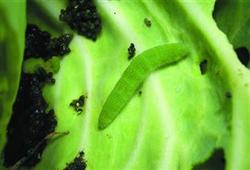
Application of Pieris rapae granulosis virus insecticide in vegetable production
Pieris rapae granulosis virus, trade names: Yangkang, Wuzhou No. 1, Pieris rapae virus, Wuda Oasis Precision Chongke, common name: Pieris rapae granulosis virus, main formulation is concentrated powder, is a live virus insecticide, processed from the bodies of insects killed by Pieris rapae granulosis virus infection, belongs to low-toxicity insecticides, only against...
-
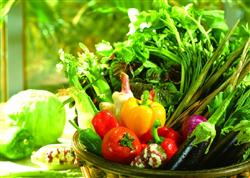
Detailed Explanation of the Classification and Research Progress of Botanical Insecticides
10% cypermethrin EC used 2 to 5 days before market: 2.5% deltamethrin 2 days; 2.5% kung fu EC 7 days; 5% leifuling EC 3 days; 50% pirimicarb WP 6 days; 1.8% abamectin EC 7 days; 10% kuaishadi...
-
Six precautions to note when using bacterial biological insecticides
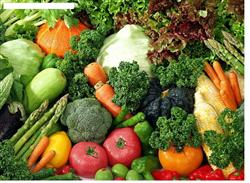
Biological pesticide: BT, Chinese name Bacillus thuringiensis, is a bacterial insecticide. This variety has been fully used in the main vegetable-growing areas of our country and has achieved good economic benefits. However, there are currently many BT manufacturers with varying quality, so when using it you must choose a variety of good quality. Note: BT is effective when the temperature is slightly higher...
-
Applicability of insecticides in sustainable rice pest management
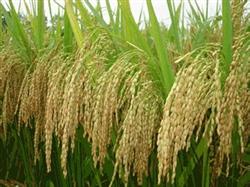
Based on a comprehensive analysis of toxicity, insecticide resistance, effects on beneficial organisms and other aspects, the applicability of insecticides in sustainable rice pest management can be divided into 5 categories. The first category is applicable insecticides, namely fipronil, chlorpyrifos and pymetrozine; the second category is insecticides suitable for mixed use, mainly abamectin, Bt...
条件筛选