-
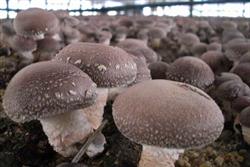
Six key taboos to remember when using bacterial biological insecticides
Edible fungi suffer pest damage during the mycelium growth and mushroom fruiting stages due to the distinctive odor of the mycelium, so insecticides are often used when pest damage occurs. When pest damage occurs in edible fungi, the first step is to choose insecticides that are highly effective, low in toxicity, and have a short residual life, such as decis and dichlorvos; do not use banned substances such as benzene hexachloride (BHC) and DDT...
-
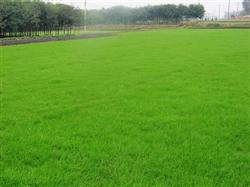
How to Use the Plant Growth Regulator Paclobutrazol on Lawn Grass
In lawn management, to save on mowing costs, besides mechanical mowing, plant growth regulators can also be used to control lawn growth. For example, people use various plant growth regulators such as paclobutrazol on lawns, which can make the intercellular spaces of lawn grass plant cells smaller and slower to form, shorten internodes, thicken leaves, and deepen color...
-
Sensitivity of Crops to Common Insecticides and Fungicides and Precautions for Use
① Take 200 g of scallions, chop them, soak them in 10 L of water for a day and a night, filter the liquid, and use it to spray the affected plants several times a day for 5 consecutive days. ② Take 200-300 g of garlic, crush it and extract the juice, dilute it with 10 L of water, and use it immediately to spray the plants. ③ Take 400 g of tobacco powder and soak it in 10 L of water for two days and two nights...
-
There's more to choosing an insecticide than meets the eye: remember these four things to look for
(1) Derris extract is a botanical insecticide extracted from the roots of derris, with contact and stomach poison action, and is quite effective against aphids and lepidopteran larvae. It is extremely safe for humans, livestock and crops, and is especially suitable for use on fruit, vegetables, tea and mulberry; the usual spray is a 500-800 times dilution of 2.5% derris extract emulsifiable concentrate. (2) Bacillus thuringiensis belongs to Bacu...
-
What are the precautions for using insecticides during the melon seedling stage
A agricultural supply seller from Yandu District, Yancheng City called to report that a local farmer used abamectin and dimehypo to control pests in rice fields. After application, a small amount of pesticide solution was left over and was incidentally sprayed onto 0.1 mu of soybeans grown by the family. As a result, the soybeans showed symptoms resembling scalding by boiling water the next day, then turned yellow and dried up. He asked whether the soybeans...
-
Excessive use of pesticides for pest control is not advisable; only rational use is safe
1. Chlorpyrifos easily causes phytotoxicity when used during the seedling stage of melon crops, and its use should also be avoided during the flowering period of certain crops. 2. Pesticides containing triazophos should not be used on fruit cane, as they easily cause phytotoxicity. 3. Because phoxim easily decomposes when exposed to light, its use should be avoided during the watermelon growing period and the seedling stage of radishes and leafy vegetables (even during the growing period...
-
Bt insecticide application techniques matter; mastering the method is key
Ethephon is an organophosphorus broad-spectrum low-toxicity plant growth regulator that promotes ripening. It can enter the plant through leaves, bark, fruit, and seeds, then be transported to the sites where it acts, releasing ethylene. It can promote fruit ripening and coloring, promote the abscission of leaves and fruit, dwarf plants, and change the ratio of female to male flowers...
-
To improve insecticidal effectiveness, these essential preparations cannot be skipped
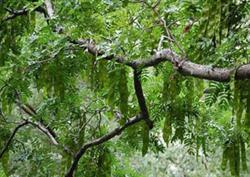
For Chinese honey locust leaves, take 1.5 kg of fresh leaves, mash them, add 1.5 kg of water, filter out the residue, and keep the juice. For every 1 kg of juice, add 4 kg of water and spray; this can effectively control cotton aphids and red spider mites. For chinaberry leaves, take 0.5 kg of fresh leaves, mash them, add 3 kg of water, soak for half a day, and filter out the residue. Take the liquid and spray; it can control cotton aphids, red spider mites, cabbage caterpillars...
-
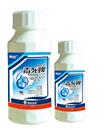
Why do insecticides become less and less effective the more you use them?
Chlorpyrifos is a highly effective, broad-spectrum organophosphorus insecticide that acts on pests through contact toxicity, stomach toxicity and fumigation, and is especially effective against the brown planthopper. The relevant application techniques are described below: 1. Product characteristics: 1. Chlorpyrifos is currently available in China in formulations such as emulsifiable concentrate, granules and microemulsion. Among them...
-
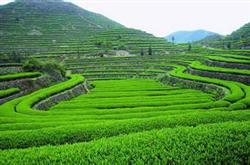
What is the difference between plant growth regulators and plant growth agents?
In the production of pollution-free tea, how should pollution-free plant growth regulators be correctly selected? Use of regulators that promote bud and leaf growth. At present, the plant regulators widely promoted and applied in pollution-free tea production in China include brassinolide, BR-120 and Tianfengsu, etc. When these plant growth regulators are applied to tea plants...
条件筛选