-
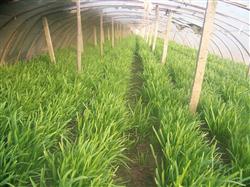
How do you clear weeds when growing chives in a greenhouse?
How do you remove weeds when growing chives in a greenhouse? Please explain the methods. Greenhouse chives are generally grown by transplanting; after transplanting, you can use pendimethalin, prometryn, or butralin for soil-closure treatment. Apply 150 ml of 330 g/L emulsifiable concentrate per mu or 200-250 ml of 48% butralin emulsifiable concentrate, add 50 kg of water...
-
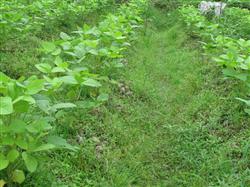
How can weeds be effectively controlled during soybean cultivation?
How do you control weeds when growing soybeans? The main weeds in soybean cultivation include monocotyledonous weeds such as crabgrass, barnyardgrass, goosegrass, lambsquarters, and foxtail; broadleaf weeds include redroot pigweed, eclipta, copperleaf, and velvetleaf. Summer soybeans are usually sown in June, during the hot and rainy season, when weeds emerge aggressively, at high density, grow vigorously, and are diverse in species, easily forming a weed infestation. Generally, weeds begin to emerge 5 days after soybean sowing, and the entire weed emergence period lasts about 60 days, which is extremely unfavorable for high soybean yields. For this reason, accurately mastering chemical weed control techniques is crucial.
-
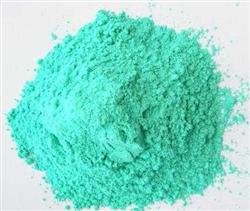
How should copper-based fungicides be used correctly?
How are copper-based fungicides used? Please explain the methods. The role of copper-based fungicides: copper-based fungicides can control both fungal diseases and bacterial diseases; they have both a protective and preventive effect, and at the same time a therapeutic and eradicative effect; they can heal wounds, sterilize and reduce inflammation, and can also treat certain skin diseases; at the same time...
-
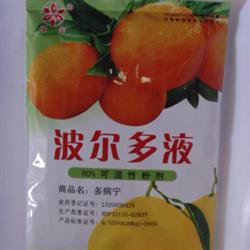
What is a non-systemic fungicide? This article gives you a detailed introduction
What is a non-systemic fungicide? Please explain. The Bordeaux mixture commonly used is a sky-blue viscous suspension prepared from copper sulfate, quicklime and water. It is alkaline and corrosive to metals. It is a non-systemic protective inorganic fungicide, and its active ingredient is basic copper sulfate. After the crop is sprayed, ...
-
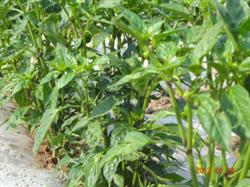
What are the precautions for using fungicides as a soil drench?
What should be noted when using fungicides as a soil drench? Please note the following points when using fungicides as a soil drench: First, in greenhouses where bacterial fertilizer has already been applied, try not to use fungicides as a soil drench for disease prevention. For land where bacterial fertilizer has been used, applying it tends to kill the beneficial bacteria in the bacterial fertilizer, causing the fertilizer to lose its effectiveness. If the crop has already developed disease, then you must...
-
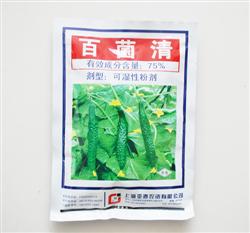
What precautions should be taken when using fungicides?
What should be noted when using fungicides? When using fungicides, note the following: 1. When choosing a fungicide, first understand the nature of the fungicide. There are two types of fungicides. One is a protective agent, which is used to prevent plant disease, such as Bordeaux mixture, mancozeb, carbendazim, etc.; the other is...
-
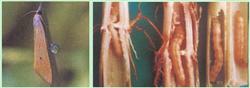
What pesticide is effective for controlling rice stem borers?
What pesticide can be used to control rice stem borers? Please give an introduction. Rice stem borers are commonly known as "zuankin chong" (stem borers), including the Asiatic rice borer (Chilo suppressalis), the yellow stem borer (Scirpophaga incertulas), and the pink stem borer (Sesamia inferens). After these pests bore into rice stems and cause damage, commonly used pesticides such as monosultap, bisultap, triazophos, diazinon, acephate, phenthoate, chlorpyrifos, cartap, and abamectin all give very poor control...
-
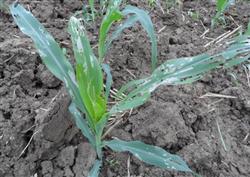
What are the control methods for the small brown planthopper on corn?
How to control the small brown planthopper on corn? Please explain the methods. When the small brown planthopper breaks out in corn fields, frequent and heavy applications of pesticides are usually required to bring the population under control. In recent years, accidents of phytotoxicity to corn caused by improper pesticide use have occurred frequently in production. Therefore, safe pesticide use should be paid attention to when controlling the small brown planthopper....
-
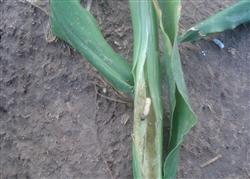
What are the control methods for the ginger stem borer?
What methods are there to control the ginger stem borer? Please describe the methods. When ginger grows to about 20 cm, the first generation of stem borers begins to cause damage. The newly hatched larvae first damage the tender leaves, and by the 3rd instar they begin to bore into the stems, mostly entering at the 2nd to 3rd nodes, often causing the central leaves to wilt or the whole plant to die. The second generation of stem borers mostly bores into the stems from the middle and upper parts...
-
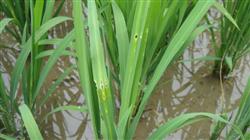
What are the control methods for rice stem borers?
What methods are there to control rice stem borers? Please provide an introduction. The following methods can be used to control rice stem borers: 1. Eliminate overwintering insect sources: Through plowing for planting or shallow rotary tillage to remove stubble, reduce the amount of residual rice stubble, clean up rice straw, and remove wild rice stems and weeds along field edges and ditches, to reduce insect sources, destroy the overwintering sites of stem borers, and lower their overwintering survival rate.
条件筛选