-
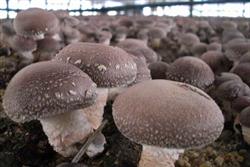
Six key taboos to remember when using bacterial biological insecticides
Edible fungi suffer pest damage during the mycelium growth and mushroom fruiting stages due to the distinctive odor of the mycelium, so insecticides are often used when pest damage occurs. When pest damage occurs in edible fungi, the first step is to choose insecticides that are highly effective, low in toxicity, and have a short residual life, such as decis and dichlorvos; do not use banned substances such as benzene hexachloride (BHC) and DDT...
-
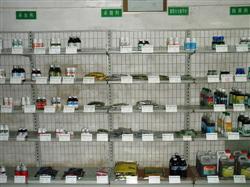
What Types of Pesticide Insecticides Are There? A Detailed Guide to Selection Precautions
1.1 Classification by composition and source: Inorganic insecticides, such as lead arsenate, calcium arsenate, arsenites, sodium fluoride, sodium fluorosilicate, sulfur, zinc phosphide, etc. Organic insecticides. Natural organic insecticides can be divided into botanical insecticides (such as derris, pyrethrum, tobacco, pine resin, santonin, toosendanin, etc.) and mineral-derived insecticides...
-
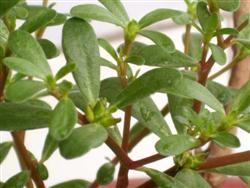
How to prevent and control flower diseases? Learn to make homemade insecticides
Common chemical agents cause varying degrees of phytotoxicity to vegetables and fruits. For example, omethoate should not be used within 30 days before harvest; malathion is phytotoxic to melons and peaches; fenitrothion is phytotoxic to cruciferous plants and should not be used within 15 days before harvesting fruits and vegetables. Dichlorvos should not be used within one week before harvesting fruit trees and vegetables...
-
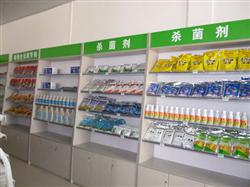
What are the common contraindications for insecticide use?
1. Chlorpyrifos is prone to causing phytotoxicity when used during the melon seedling stage, and its use should also be avoided during the flowering stage of some crops. 2. Pesticides containing triazophos should not be used on fruit sugarcane, as they are prone to causing phytotoxicity. 3. Because phoxim decomposes readily in light, its use should be avoided during the watermelon growing period and at the seedling stage of radishes and leafy vegetables (even avoiding use during the growing period...
-
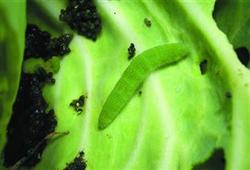
Application of Pieris rapae granulosis virus insecticide in vegetable production
Pieris rapae granulosis virus, trade names: Yangkang, Wuzhou No. 1, Pieris rapae virus, Wuda Oasis Precision Chongke, common name: Pieris rapae granulosis virus, main formulation is concentrated powder, is a live virus insecticide, processed from the bodies of insects killed by Pieris rapae granulosis virus infection, belongs to low-toxicity insecticides, only against...
-
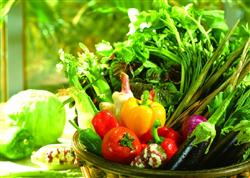
Detailed Explanation of the Classification and Research Progress of Botanical Insecticides
10% cypermethrin EC used 2 to 5 days before market: 2.5% deltamethrin 2 days; 2.5% kung fu EC 7 days; 5% leifuling EC 3 days; 50% pirimicarb WP 6 days; 1.8% abamectin EC 7 days; 10% kuaishadi...
-
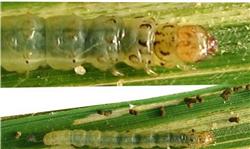
What should be noted when controlling the rice leaf roller (Cnaphalocrocis medinalis) in rice?
What should be noted when controlling the rice leaf roller in rice? Please give guidance. To control the rice leaf roller, you must first know the timing of control. The control timing is determined comprehensively through the development progress of the insect stages and the fluctuation dynamics of adults under light traps, with reference to the stage duration table and in combination with short- and medium-term weather forecasts. To ensure a true grasp...
-
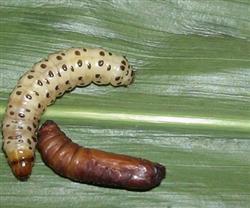
What are the control methods for ginger bacterial wilt and ginger stem borer?
How do you control ginger bacterial wilt and ginger stem borer? Please explain the control methods. For ginger bacterial wilt and ginger stem borer, the following methods can be used for control: 1. Bacterial wilt. This disease, also known as ginger rot, is the most common devastating disease in ginger production and is also the main factor restricting ginger production and quality. In recent years...
-
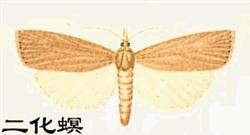
Which pesticide is effective for controlling the rice stem borer (Chilo suppressalis)?
What pesticide should be used to control the rice stem borer? Please advise. Common control agents for the rice stem borer include 25% Actara water-dispersible granules, 5% Regent suspension concentrate, 20% Haonianidong emulsifiable concentrate, 50% fenitrothion emulsifiable concentrate, Nongjiale emulsion, 5% Shachongshuang granules, 80%...
-
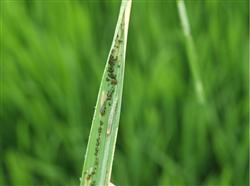
What insecticide works well to control the rice leaf roller?
What insecticide should be used to spray the rice leaf roller? Please give an introduction. The rice leaf roller's occurrence is characterized by early immigration, many peak generations, and large moth numbers, with the fifth (3rd) and sixth (4th) generations occurring continuously and severely, causing heavy natural damage. Because current high-yield cultivation uses large amounts of nitrogen fertilizer in the late stage, plus the expansion of direct-seeded rice, machine-transplanted rice and other cultivation areas, the rice growth period is delayed...
条件筛选