How should copper-based fungicides be used correctly?
How are copper-based fungicides used? Please explain the methods. The role of copper-based fungicides: copper-based fungicides can control both fungal diseases and bacterial diseases; they have both a protective and preventive effect, and at the same time a therapeutic and eradicative effect; they can heal wounds, sterilize and reduce inflammation, and can also treat certain skin diseases; at the same time...
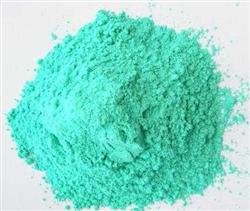
How are copper-based fungicides used? Please explain the methods
The role of copper-based fungicides
Copper-based fungicides can control both fungal diseases and bacterial diseases; they have both a protective and preventive effect, and at the same time a therapeutic and eradicative effect; they can heal wounds, sterilize and reduce inflammation, and can also treat certain skin diseases; at the same time they can also be used to keep certain fruits fresh and preserve them during storage.
The sterilization principle of copper-based fungicides
Copper-based fungicides mainly rely on the release of copper ions to act on groups such as -SH, -NH3, -COOH and -OH in the proteins within fungi, thereby achieving the effect of killing pathogens. Among them, -SH stands for sulfhydryl, -NH3 stands for amino and nitrogen, -COOH stands for acid; -OH stands for hydroxyl and base.
The characteristics of copper-based fungicides
Copper-based fungicides have strong adhesion, quickly form a drug film, resist rain washing, and have a long duration of effect; they can prevent pathogens from invading over a relatively long period, so their control effect is relatively good. At the same time, they are not prone to developing resistance with long-term use.
Copper-based fungicides have the characteristics of low toxicity, no public hazard and being environmentally friendly, and have now become the preferred excellent fungicides for producing green foods and organic fruits.
The classification of copper-based fungicides
Copper-based fungicides can be divided into two major categories: inorganic copper and organic copper. At present, the market is still dominated by inorganic copper formulations. Common formulations include: cuprous oxide (copper master), copper sulfate, basic copper sulfate, copper oxychloride (copper king) and copper hydroxide (Kocide). Common organic copper formulations include: copper acetate, copper quinoline, copper abietate, thiodiazole-copper, nonyl copper, copper succinate glutarate, copper humate, copper ammonia complex, copper amino acid, etc.
The characteristics of inorganic copper fungicides
Based on the performance characteristics and sterilization principle of inorganic copper fungicides, the following points should be noted when using them for disease control:
1. Because the solution is alkaline, it generally cannot be mixed with acidic pesticides;
2. Using it during sensitive periods of crops such as the flowering stage and young fruit stage can easily cause phytotoxicity;
3. The sterilization spectrum is relatively narrow, and it easily causes allergies in individual crop varieties;
4. Some crops are prone to inducing or stimulating the occurrence of mites and scale insects. The main reason for inducing mites is that inorganic copper mainly destroys the proteases of pathogenic bacteria and causes the bacteria to die, but it does not destroy the structure of plant cell tissues, so it is safe for crops, but it has no killing effect on mites at all. Although it has no killing effect on mite pests, it does have a killing effect on their natural enemies, thereby causing mite proliferation to go out of control and leading to rampant occurrence, causing serious damage.
In addition, when using copper-based fungicides, they can not only supplement the trace elements needed by some crops, but also promote crop growth, stimulate fruit color and improve quality. At the same time, they can attract mites to inhabit, feed and reproduce, and stimulate mites to lay large numbers of eggs;
The characteristics of organic copper fungicides
According to the mode of action and sterilization principle of organic copper, its main advantages are shown in the following aspects:
1. Mainly neutral, with broad mixing compatibility, and can be mixed with most fungicides, insecticides and plant growth regulators;
2. It is not easy to cause or stimulate the occurrence of mites (rust mites) and scale insects;
3. Broad sterilization spectrum, relatively safe and reliable, and not easy to cause phytotoxicity;
4. It does not contain CU2+, does not harm flowers or fruits, and can be used in all periods;
5. The CU element content is low, residues are low, pollution is small, and it is beneficial to environmental protection;
6. CU ions and compounds provide dual sterilization, efficient and thorough;
7. It promotes the absorption of elements such as Fe ions and Al ions, playing a role in strengthening seedlings;
Points to note when using copper-based fungicides
Because the organic copper and inorganic copper of copper-based fungicides have their own different characteristics and sterilization methods, when ensuring the eradication of diseases, crop safety must also be considered, so the following aspects should be noted when using copper-based fungicides:
1. In areas with frequent mites or in dry seasons, try to use them alternately multiple times;
2. When used on cotton, it easily causes early and frequent mite outbreaks, causing cotton defoliation and "stalk collapse";
3. When used on vegetables such as beans, peppers, tomatoes and eggplants, it easily causes mites to lay large numbers of eggs and multiply, and easily leads to drying and shedding;
4. Use cautiously during periods of high temperature and high humidity.
Click to get more fungicide application techniques
Click to get more pesticide application techniques