-
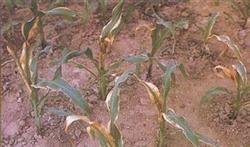
How to avoid herbicide damage? Keep these preventive methods in mind
1. Choose the right herbicide variety; for unfamiliar varieties or ones not previously used locally, it is best to conduct a trial first. 2. Use safeners to prevent damage. For example: before sowing corn, use NA (1,8-naphthalic anhydride) antidote at 0.5%-1.0% as a seed coating, which can protect corn fields from thiocarbamate herbicide damage...
-
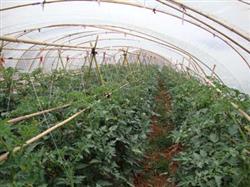
What are the characteristics of herbicides specifically for licorice?
With the adjustment of the agricultural industrial structure, the area planted with greenhouse crops is growing larger and larger. However, because the temperature and humidity conditions inside plastic greenhouses differ greatly from the external environment, applying pesticides according to conventional methods can easily cause phytotoxicity. To reduce the occurrence of phytotoxicity, when applying herbicides in greenhouses, attention should be paid to...
-
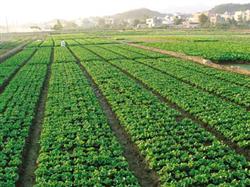
What are the key precautions for using herbicides in vegetable fields
In vegetable production, hoeing and weeding often accounts for more than 40% of the total labor used in vegetable field management. If chemical weeding is used, it can not only effectively control weeds and improve the quality and yield of vegetables, but also save a large amount of weeding labor and reduce labor intensity, but the following "eight precautions" must be observed....
-
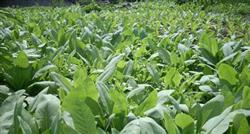
How to use herbicides in vegetable fields safely? Master these key application points
Weeds in vegetable fields are a major problem in vegetable production. Hand weeding is both labor-intensive and backbreaking, so the vast number of vegetable growers need to use herbicides in vegetable production. However, vegetables come in many varieties, have short growing periods, high multiple-cropping indexes, and complex crop rotations, and there are also many types of herbicides. If used improperly, they can easily cause herbicide damage, or even total crop loss...
-
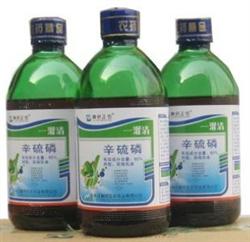
Application Methods and Technical Key Points of Botanical Insecticides
Chemical fertilizers, pesticides and hormones are major means of agricultural production and play an important role in ensuring increased agricultural output and higher farmer incomes. With social development, in order to improve labor efficiency and increase economic returns, farmers often mix two or more of chemical fertilizers, pesticides and hormones when applying them in production. Scientific and rational...
-
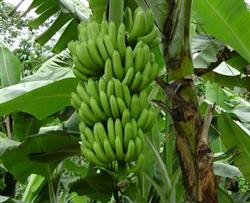
Tobacco can be used as a raw material to make green pesticides
(1) Derris extract is a botanical insecticide extracted from the roots of derris, with contact and stomach poisoning effects, and is quite effective against aphids and lepidopteran larvae. It is extremely safe for humans, livestock and crops, and is especially suitable for use on fruit, vegetables, tea and mulberry; the commonly used formulation is a 2.5% derris extract emulsifiable concentrate sprayed as a 500-800 times dilution. (2) Bacillus thuringiensis belongs to Bacillus thuringiensis...
-
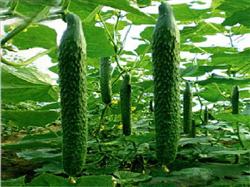
What are the commonly used pesticide insecticides for pollution-free vegetables?
Biological pesticides: BT, whose Chinese name is Bacillus thuringiensis, is a bacterial insecticide. This variety has been fully used in the main vegetable-growing areas of our country and has achieved good economic benefits. However, there are currently many BT manufacturers with varying quality, so a good-quality variety must be selected when using it. Precautions: BT works better when the temperature is slightly higher...
-
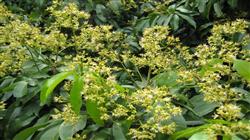
Why are insecticides prohibited during the lychee flowering period?
Experimental research and production practice have proven that placing bees for pollination during the lychee flowering period is the guarantee of a bumper lychee harvest, and the honey made by bees from collected pollen is also a natural health food for humans. In order to prevent bee poisoning and honey contamination, ensure that enough worker bees are out foraging for nectar, improve pollination effectiveness, and protect human health...
-
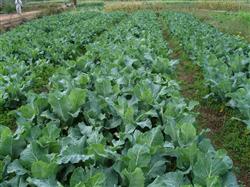
How to use BT insecticide on vegetables
The newspaper published a method for killing pests with BT insecticide. Many vegetable growers called in, some asking how to use BT insecticide, and others discussing with the reporter their experience of using BT insecticide in vegetable production. The reporter put together the insights of the vegetable growers who called in. BT insecticide, that is, Bacillus thuringiensis microbial...
-
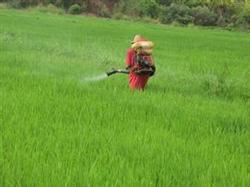
What is the best time to spray insecticide on rice?
Do not spray insecticide on rainy days; this is basic common sense that farmers understand. However, many farmers often spray at noon on sunny days, which is highly inadvisable and harmful, because: 1. At noon, the light is strong, and pests hide on the undersides of leaves and inside stems, so the insecticidal effect is poor; 2. Under high temperatures and strong light, the pesticide volatilizes and decomposes late...
条件筛选