-
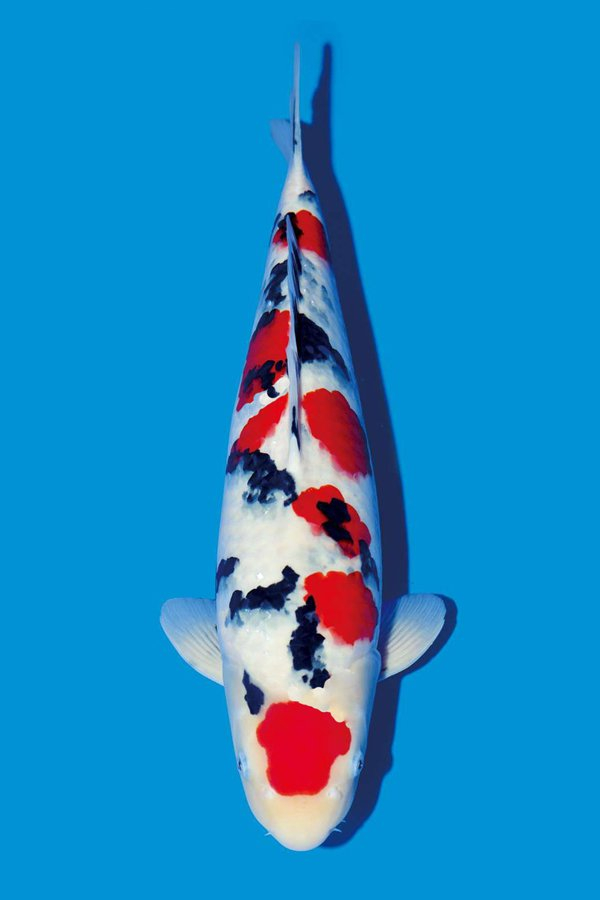
A Detailed Guide to the Breeding Techniques of Maruten Taisho Sanke Koi
Introduction to the Maruten Taisho Sanke Koi The Maruten Taisho Sanke first has an independent round dumpling-shaped red-and-white marking in the center of the head, and from just past the shoulder to the tail it displays two types of pattern states, namely red patches and black patches. Generally, red patches appear more than black patches, and black patches appear...
-
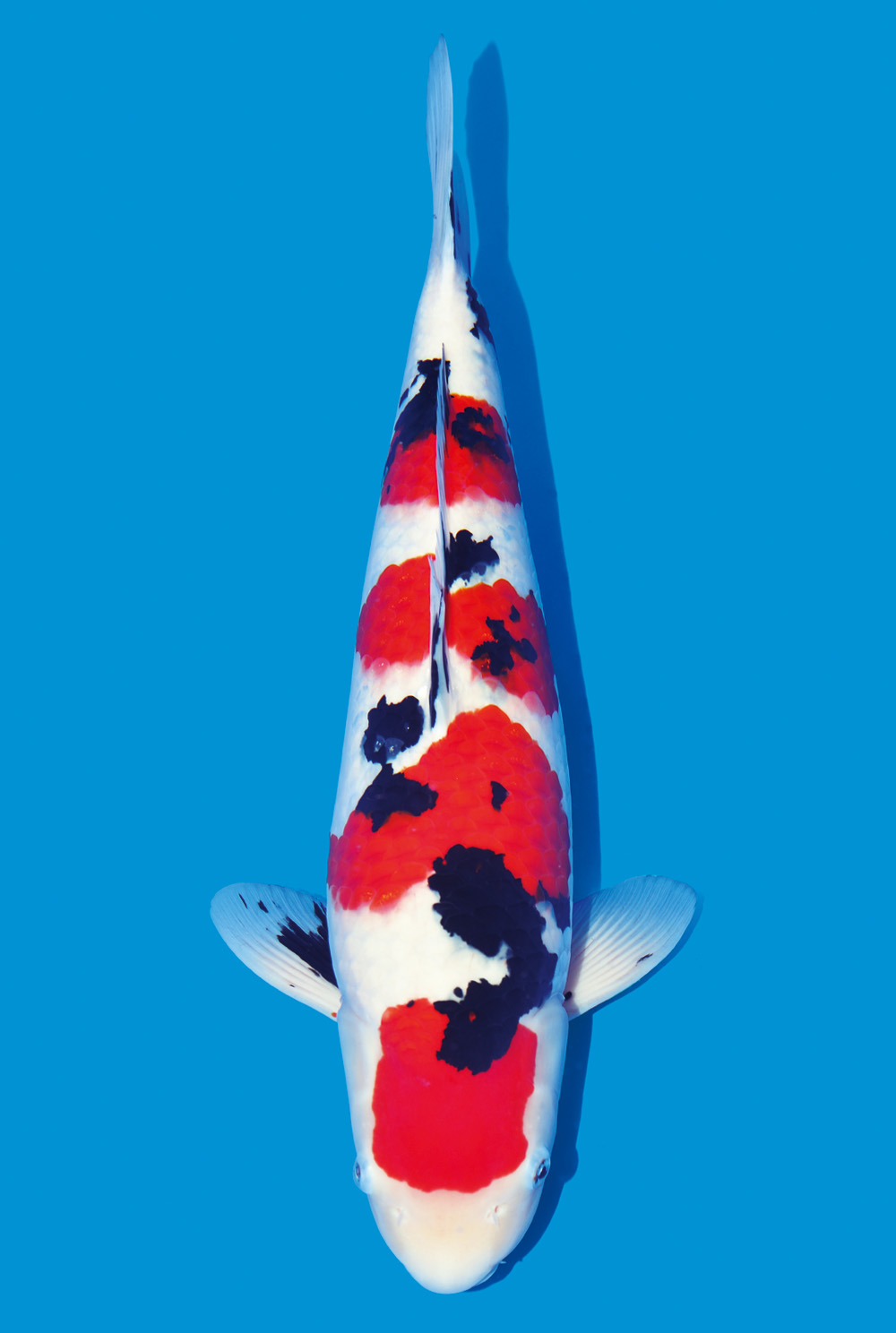
What Are the Important Differences Between Taisho Sanke and Kohaku Koi
Taisho Sanke Naming: Those with red and black markings on a white base are called Taisho Sanke. The basic requirements are that the head has only red markings and no black spots, and the pectoral fins have black stripes; together with Kohaku, it is a representative variety of koi.
-
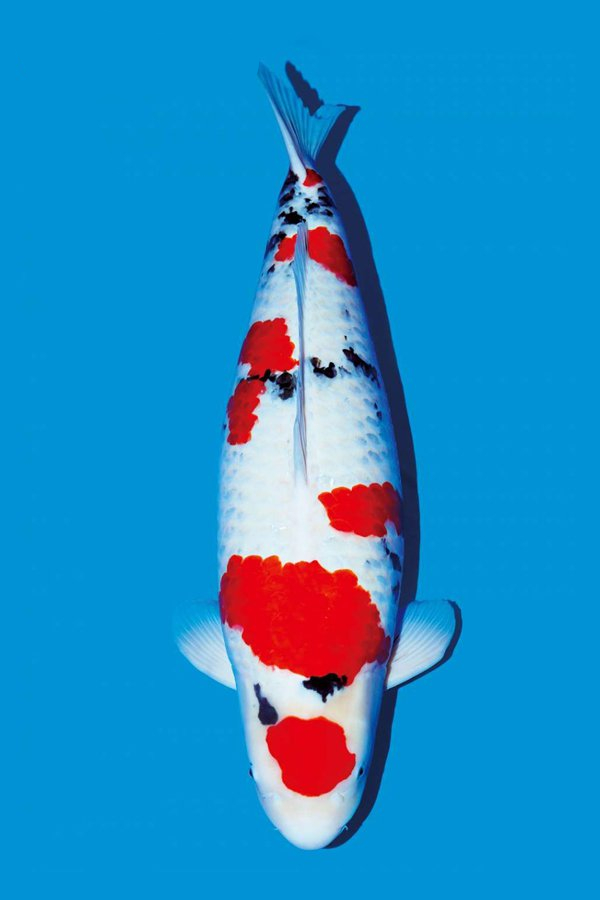
How do you distinguish the colors of Ginrin Sanshoku and Goshiki koi?
Naming of Ginrin Sanshoku. As a type of Taisho Sanshoku, the Ginrin Sanshoku koi is widely distributed in China, Japan, Germany and other places. Its most distinctive feature is its ginrin (silver scales). These silver scales gradually spread as the koi grows and its body shape changes. In other words...
-
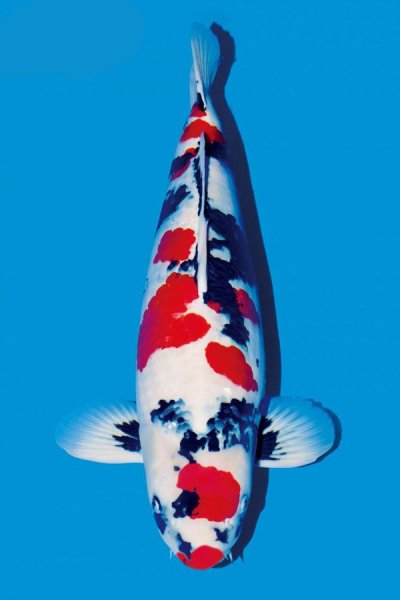
How to Judge the Quality of a Lipstick Showa Sanshoku Koi
Introduction to Lipstick Showa Sanshoku The Lipstick Showa koi has a small, round red patch on the snout of the Showa Sanshoku koi, just like lipstick applied by hand, extremely handsome and cute, and loved by many people. Apart from...
-
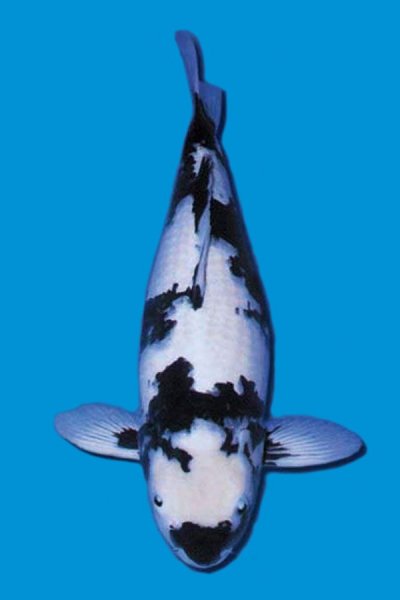
Are German White Show Koi easy to keep? A look at the difficulty of raising them
Introducing the German show koi. The so-called "show" refers to large patches of black markings on a base of a different color, as if ink had been splashed or written on it. Generally speaking, because German show koi are free of the visual interference caused by scales, their colors appear more contrasting...
-
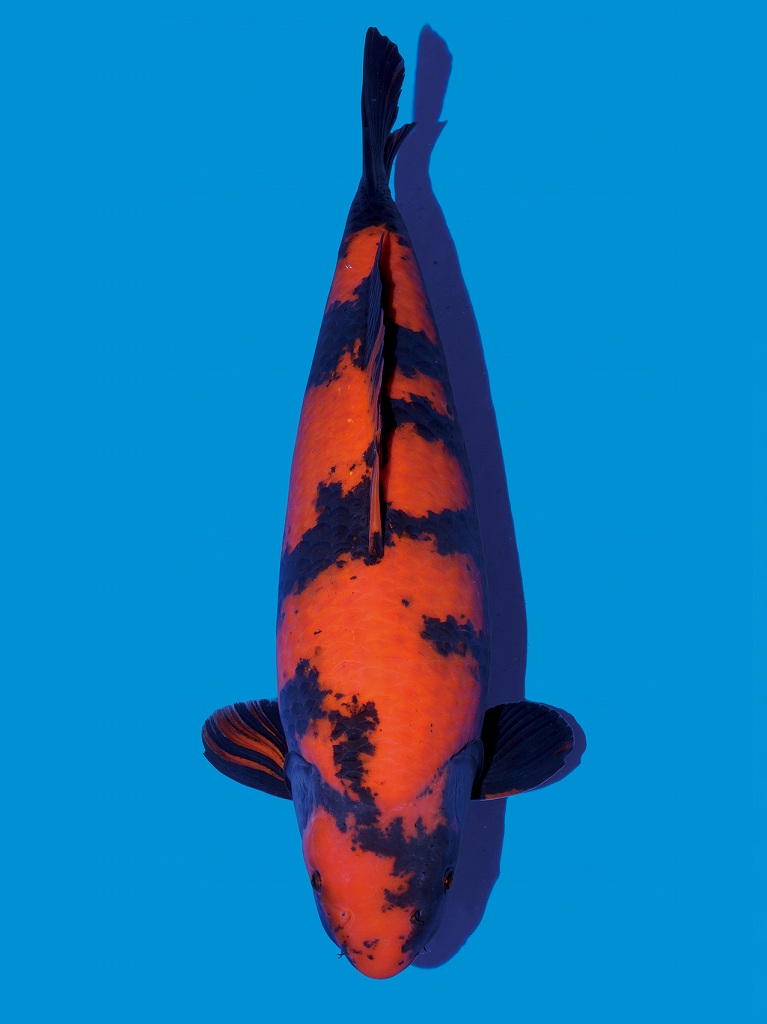
What are the morphological characteristics of the Hi Utsuri koi?
Introducing the Hi Utsuri koi. As a type of Utsuri koi, the Hi Utsuri koi is overall composed of two colors, red and black. Its unique color and pattern characteristics make it very easy to recognize and identify. A typical Hi Utsuri koi has a body that is entirely crimson red, with part of the red being glossy, so that from a distance...
-
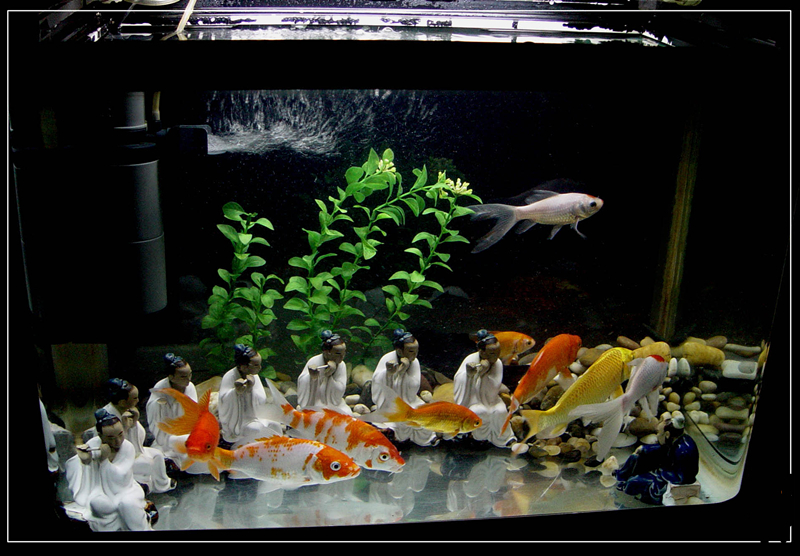
What fish are suitable for keeping with koi? Pay attention to these points when changing the water
Changing the water is an important part of the daily management of koi, and it is also the key to successful koi keeping, hence the saying "to keep koi, first keep the water." When changing the water, pay attention to the following three points: 1. The method must be correct: when draining water with a siphon hose, hold the wall of the hose, because the suction is strong during draining...
-
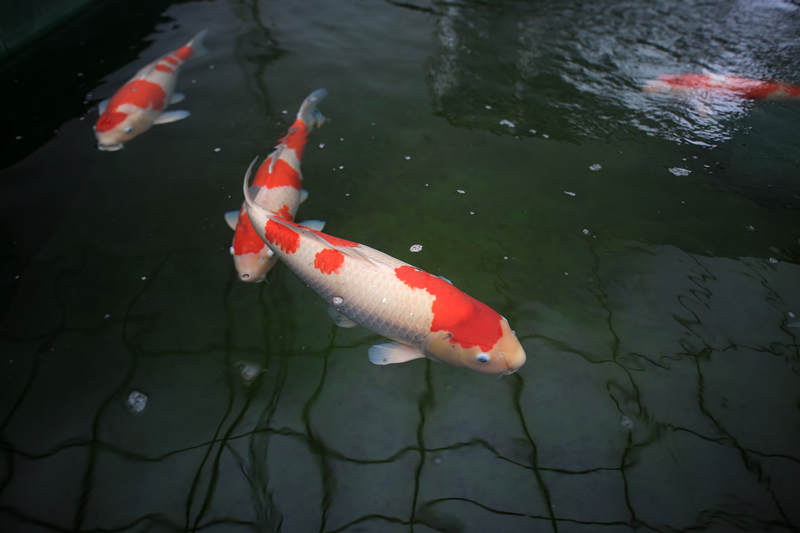
Learn koi selection in three minutes; have you done a good job monitoring aquarium water quality?
Water quality monitoring is one of the essential steps in indoor koi keeping management. The main items in daily water quality monitoring include water temperature, pH value, salinity, dissolved oxygen, ammonia nitrogen concentration, nitrite, nitrate and bacterial count, metal ions, etc. When keeping koi...
-
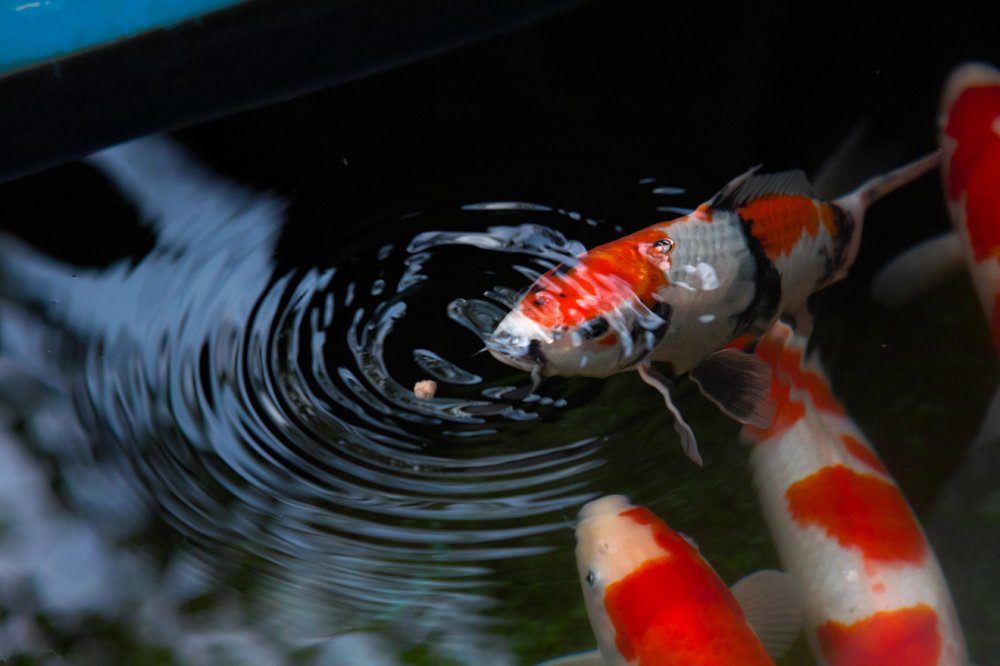
How to Choose Hardy Koi? Detailed Guide to Feeding Precautions
Feeding: For koi kept in a home aquarium, it is best to use live foods such as fish worms and tubifex worms, while koi fry need to be fed on infusoria. However, the sources of live food are limited and sometimes they cannot be bought at all, so fish worms are generally used as a substitute; if there is a complete nutritional...
-
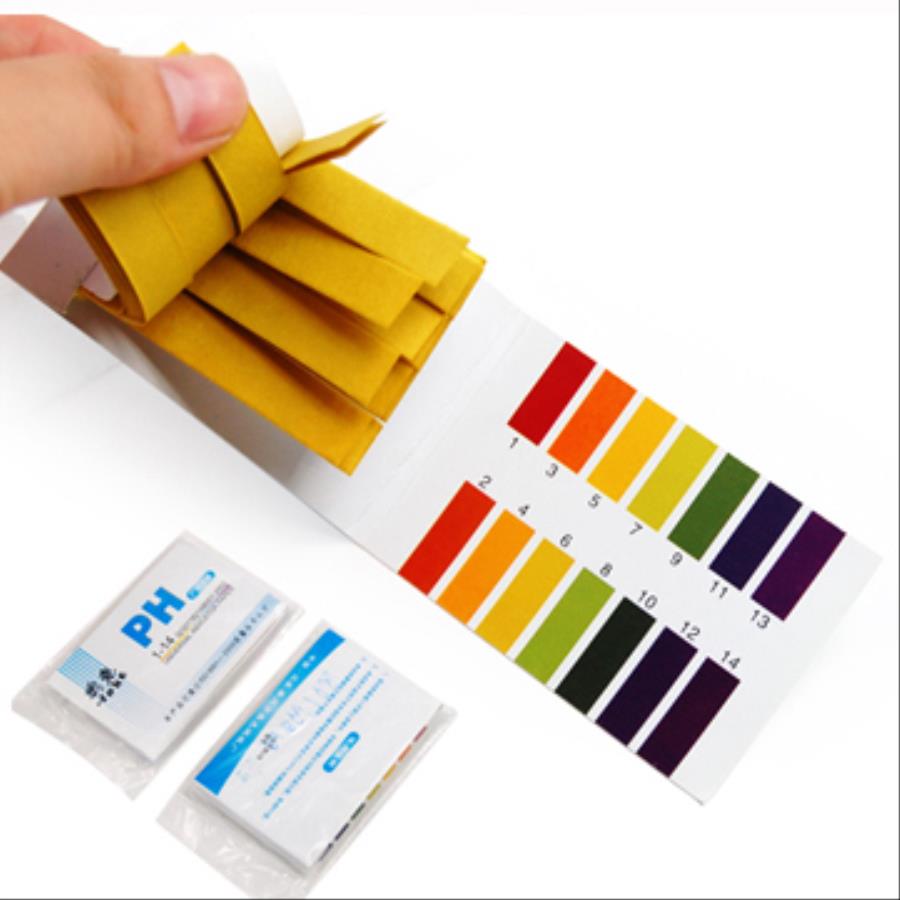
Differences Between Koi Varieties and a Detailed Guide to Aquarium Auxiliary Equipment
6. Scoop: either an aluminum scoop or a plastic scoop will do, so that koi can be lifted out together with the water without injuring the fish, ensuring the koi's safety. 7. Plankton net: this is a specialized net for collecting live food. 8. Temporary rearing tank for food: koi fish worms that have been collected or purchased cannot all be...
条件筛选