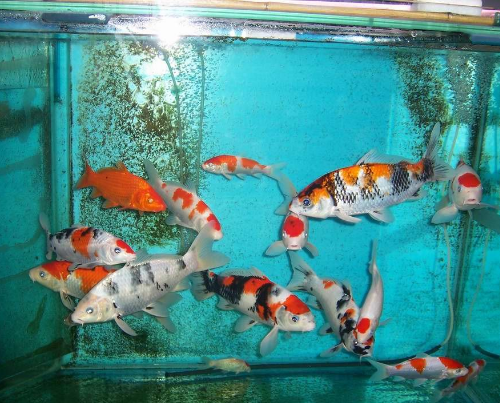
Learn koi selection in three minutes; have you done a good job monitoring aquarium water quality?
Water quality monitoring is one of the essential steps in indoor koi keeping management. The main items in daily water quality monitoring include water temperature, pH value, salinity, dissolved oxygen, ammonia nitrogen concentration, nitrite, nitrate and bacterial count, metal ions, etc. When keeping koi...
Water quality monitoring is one of the essential steps in indoorkoikeeping management. The main items in daily water quality monitoring include water temperature, pH value, salinity, dissolved oxygen, ammonia nitrogen concentration, nitrite, nitrate and bacterial count, metal ions, etc.
After keeping koi for a long time, although daily cleaning is done, it cannot be thoroughly cleaned, so water changes should be carried out at the appropriate time. The methods and steps are mainly as follows:
1. Aging the water: To ensure that the new and old water temperatures are consistent, 1 ~ 2 days before the water change, measures to age the water are needed. That is, pour tap water into a storage tank or an empty koi pond at the same location, let it stand for 24 ~ 48 hours, and once the temperature of the new water and old water gradually becomes consistent, the water can be changed. Aging the water can help increase oxygen and release chlorine gas.
When changing water in spring, summer and autumn, the temperature of the new water is best 0.5 °C ~ 1 °C lower than the old water, while when changing water in winter, the temperature of the new water is best 0.5 °C ~ 1 °C higher than the old water.
2. Siphon liquid and remove objects : First use a rubber hose to siphon the upper clear water into a clean container for later use. Then take out decorations such as aquatic plants and stones, rinse them clean with clear water and set them aside.
3. Scoop out the koi: Use a dip net to scoop up the koi, and use a ladle to cover the top of the net to prevent the koi from jumping out and getting injured; if you are keeping small koi, it is better to use a scoop to move them together with water into the upper clear water that was siphoned out.
4. Clean the koi tank: After taking out the discolored and smelly fine sand, use clear water multiple timesaquariumto rinse and wipe it clean until there is no odor. You can use scouring powder; if that still does not work, repeatedly wipe with a clean cloth dipped in vinegar to make the glass clear and bright.
5. Restore the aquarium: In order, spread the sand, place the stones, add water, plant the plants, put in the koi, then add the new water that has already been aged and set aside up to the original water level.