-
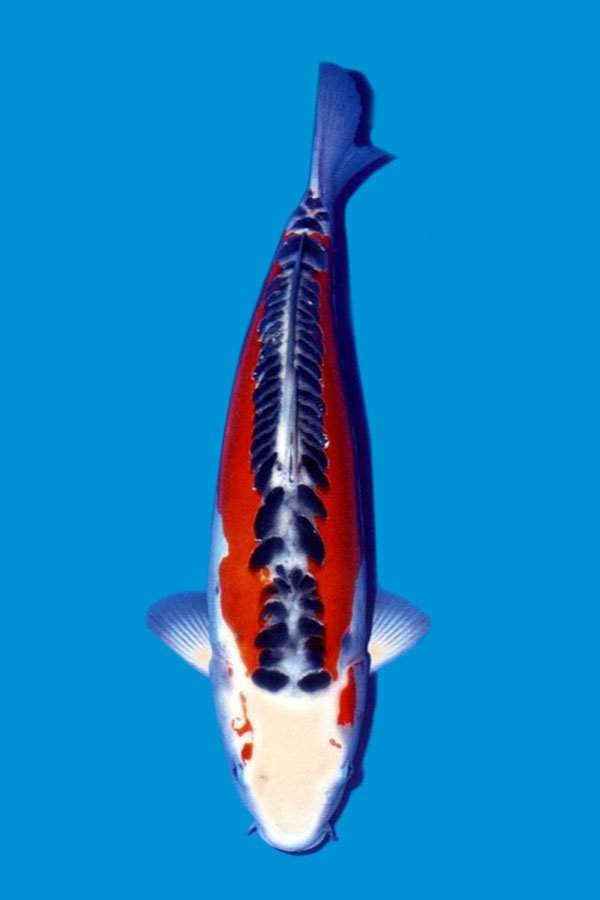
What are the morphological characteristics of the Beni Asagi koi?
Introducing the Beni Asagi koi. The Beni Asagi differs from the Hana Asagi and Ki Asagi among Asagi koi in that its body color is a deeper crimson red and gives a relatively strong visual impact. The so-called Beni Asagi refers to the Asagi variety whose back is not blue but, like the belly, entirely red. It is...
-
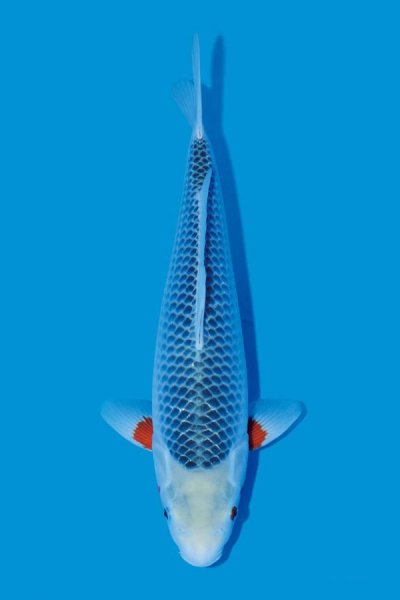
What are the morphological characteristics of the Konjo Asagi koi?
Introducing the Konjo Asagi koi. The Asagi koi is a type of koi with quite distinctive external features. Its back appears deep blue or light blue, the outer edges of its scales appear white, and the belly, pectoral fins, and the bases of the hand fins are covered with crimson red, truly making it a colorful...
-
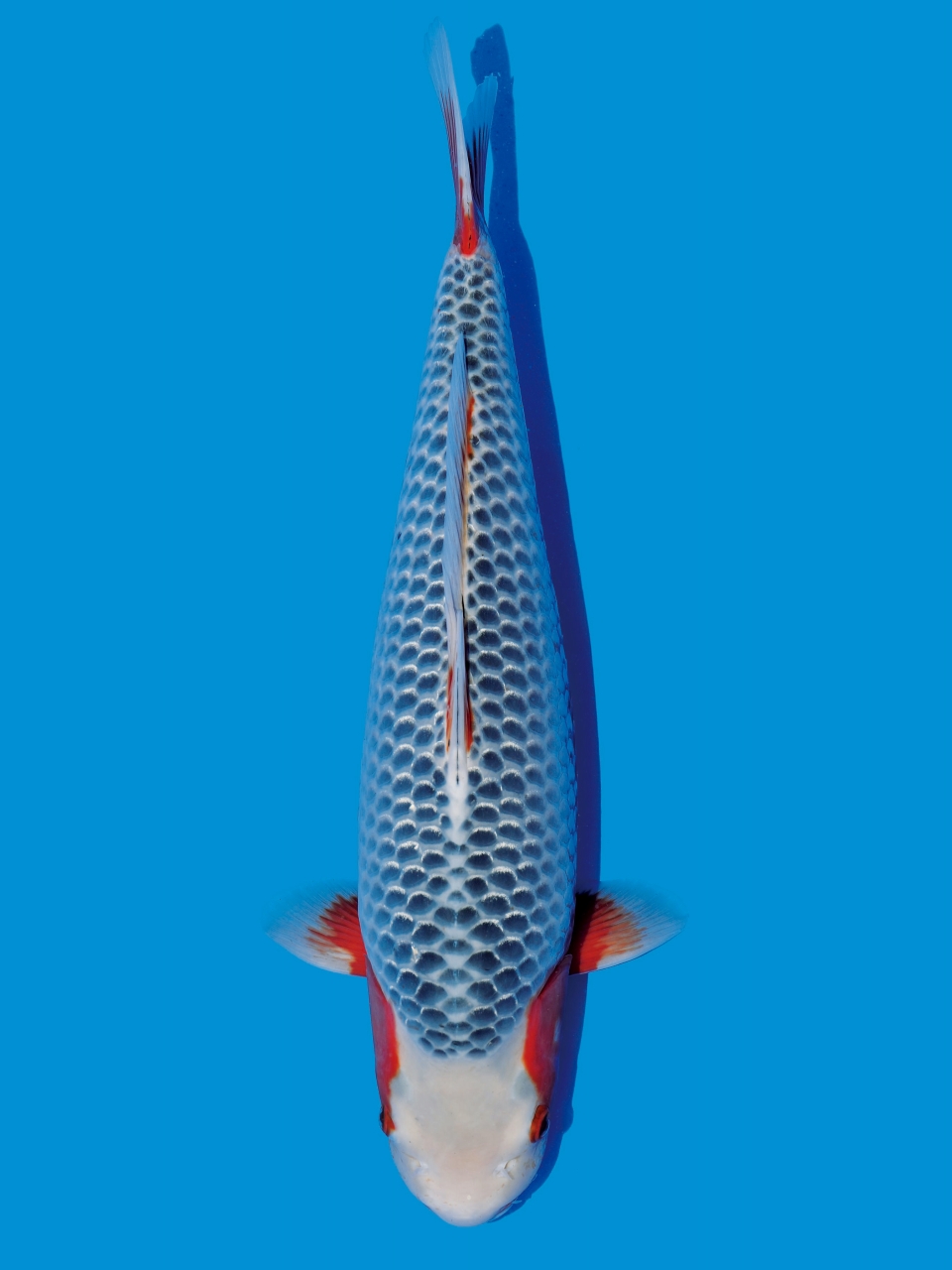
Which is easier to keep, the Narumi Asagi koi or the Shiro Utsuri koi?
Introducing the Narumi Asagi koi. As a type of Asagi koi, the Narumi Asagi is highly representative. As you can see, the center of its scales shows a deep blue, while the edges of the scales appear light blue; the two colors set each other off, like the shimmering ripples on a lake...
-
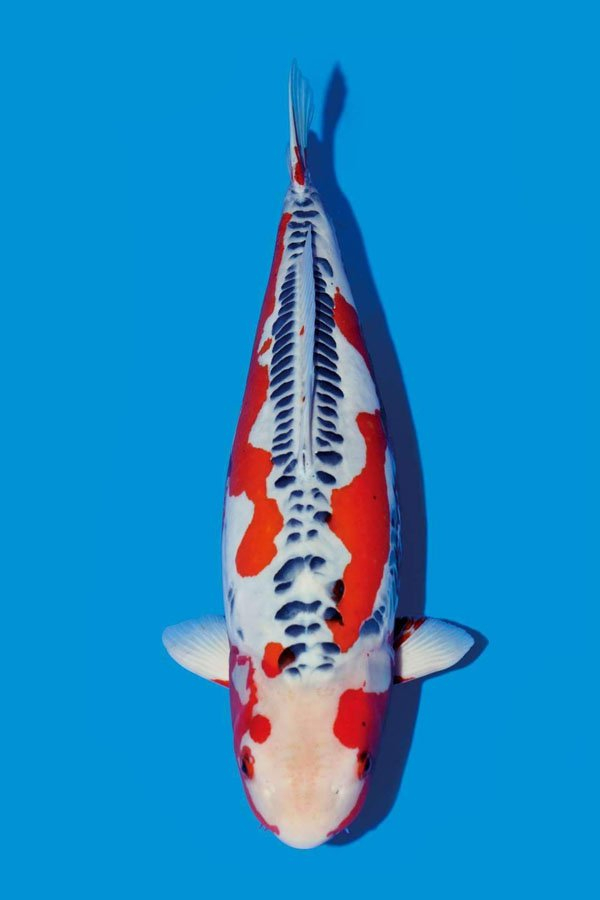
What should you do if Hana Shusui koi show disease symptoms?
Introduction to Hana Shusui koi: The so-called Shusui koi refers to a light yellow koi variety of the German carp lineage. Shusui koi is a hybrid strain, with a single row of closely arranged scales on the fish's back, running from the head all the way to the tail, and another row of scales along the lateral line of the belly...
-
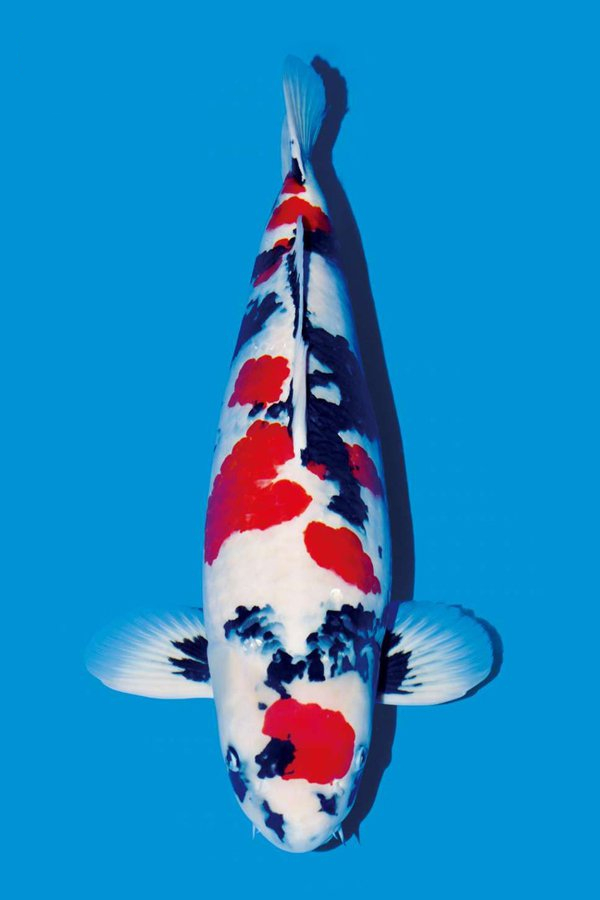
How to judge the quality of a Tancho Showa koi? Master these key points for identification
Introducing the Tancho Showa koi. The Tancho Showa koi refers to a fish whose body markings are composed of the three true colors red, white and black. Black serves as the base pattern, white markings are distributed over all parts of the body and may extend over the head. As for the red, the whole body has only this one spot, unblurred, with no muddy areas, a pure bright red sitting right on top of the koi's head.
-
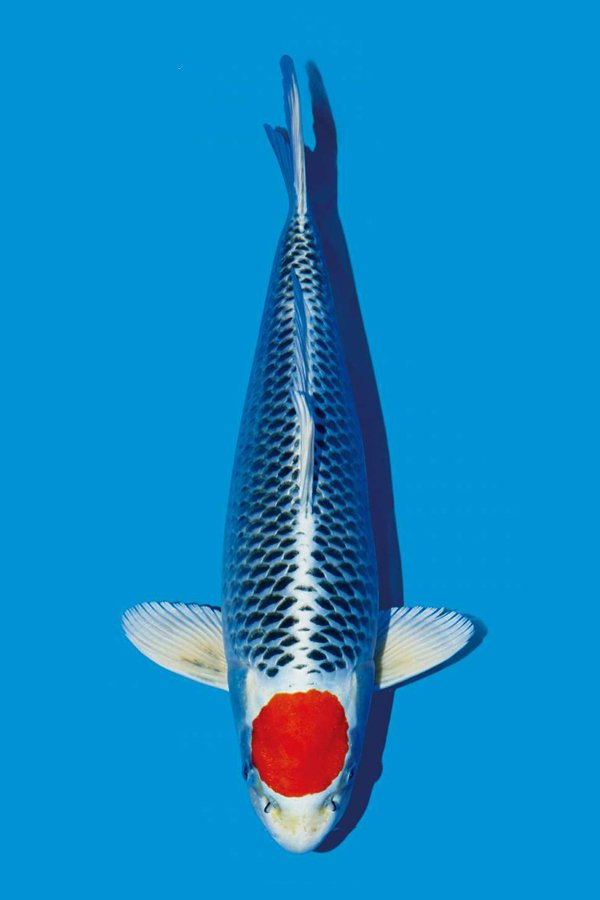
What are the morphological characteristics of the Tancho Peacock Koi?
Introduction to the Tancho Peacock Koi. The Tancho Peacock Koi is also a hybrid of koi varieties, and this hybrid product is very rarely seen on the market, so even if we see it, we might overlook it because we do not recognize it, letting it slip past us, which is a great pity...
-
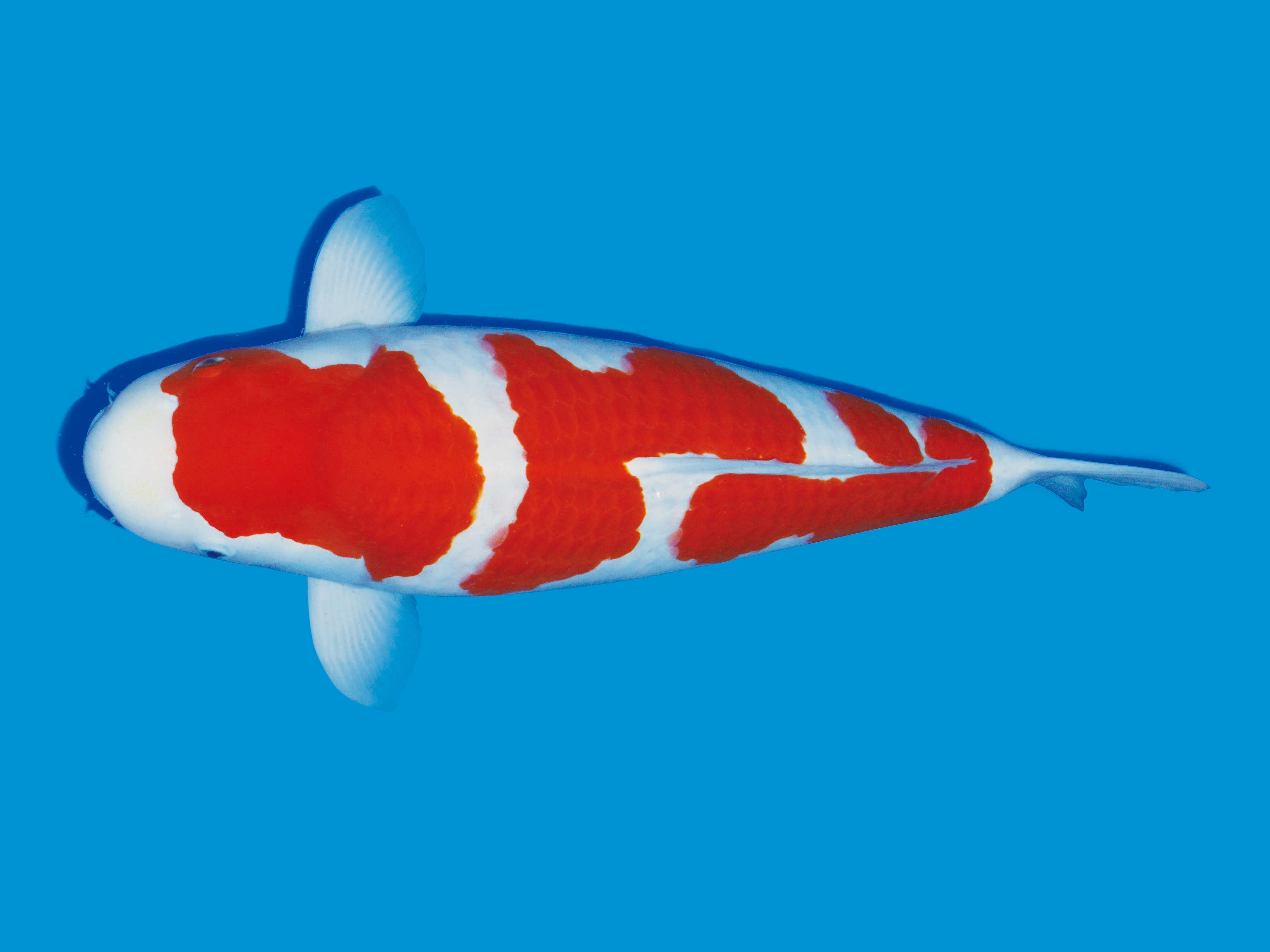
Common Koi Diseases: Japanese Koi, Chinese Koi and Chinese Fish Dealers Compared
Japanese Koi VS Chinese Koi VS Chinese Fish Dealers === China Koi Forum: Share the Koi Around You === As long as you are a member of the China Koi Forum, click the ... button in the upper right corner of the page to share this message to your Moments and send your registered username on the China Koi Forum to...
-

How to deal with koi skin problems? First batch of Japanese koi in 16 years arrives in South China
Good luck koi arrive | First batch of imported Japanese koi in South China in 16 years smoothly imported in Shantou. Last night, 276 Japanese koi from Niigata Prefecture, Japan, smoothly arrived at the Shantou Huiri Koi Quarantine Farm. This is the first batch of imported Japanese koi in South China after 16 years...
-
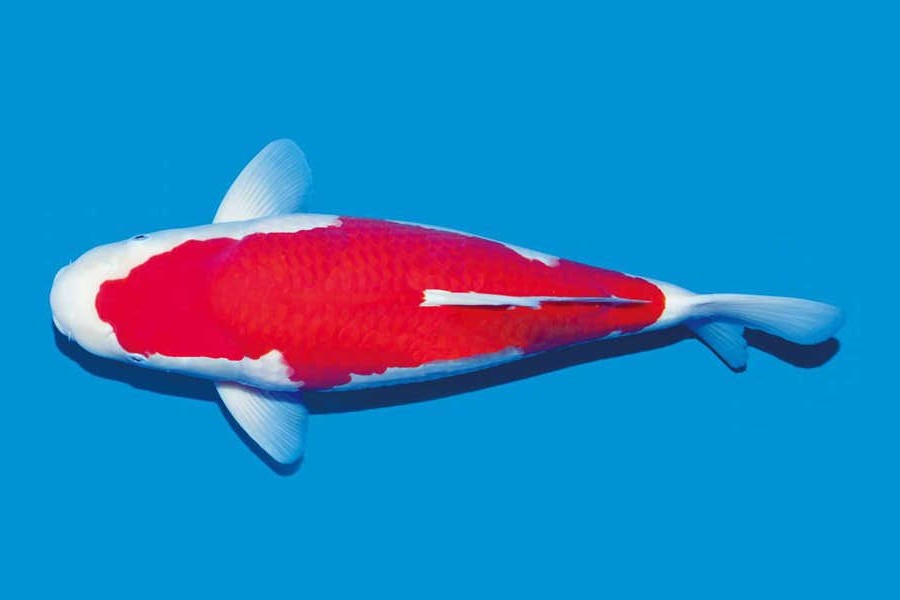
How do you raise koi so they grow plump? Premium Japanese koi have now arrived in store
Premium Japanese koi have arrived in store! Premium small koi have arrived and been released into the pond. Welcome to the store to view and select them! Ueno, Isawa, Sakai, Omosako Shiro Utsuri, and Gosanke, 100 in total. ·end· —If you like it, share it with your friends— let's have fun together...
-
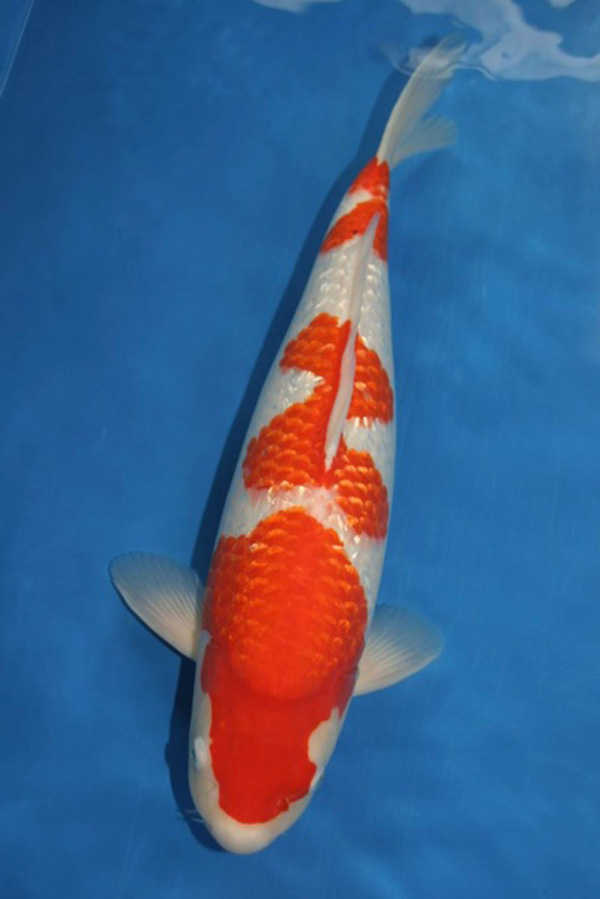
Koi skin disease treatment methods, koi losing its red color? What factors affect koi coloration?
Koi coloration is mainly determined by three aspects: bloodline, feed, and water. If the bloodline and feed are good, and the water is also well managed, the koi's coloration can reach perfect expression. The relationship between koi body color and water temperature: coloration will change under the influence of water temperature, for example...
条件筛选