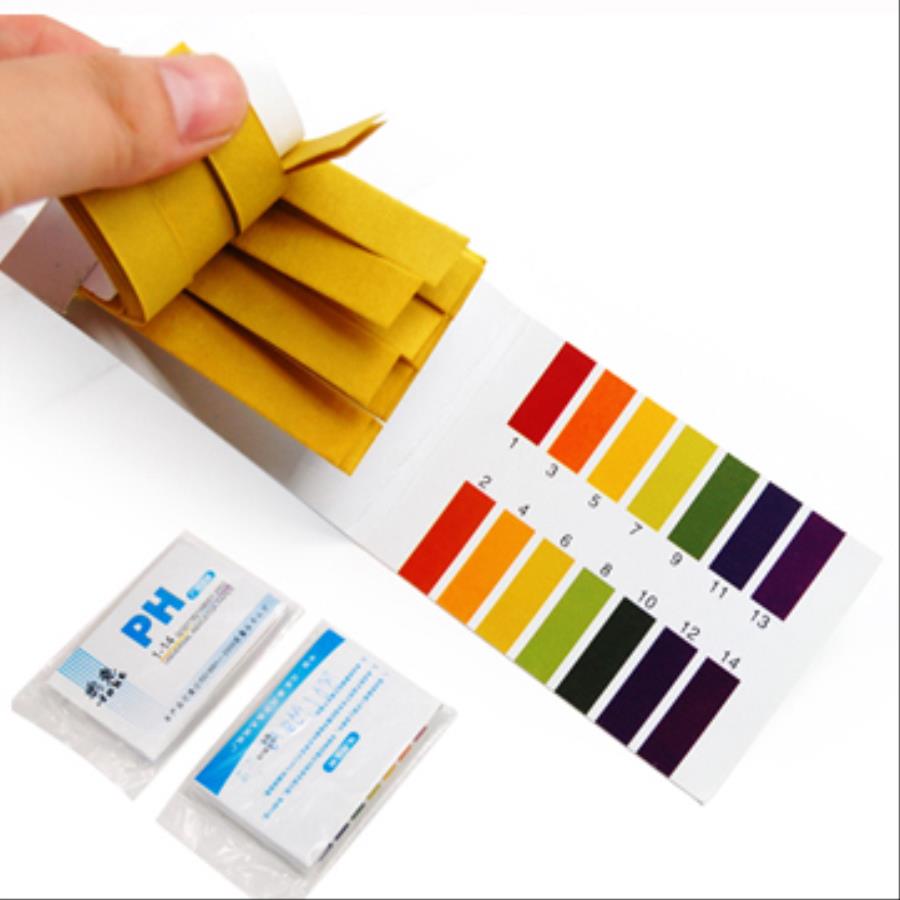
Differences Between Koi Varieties and a Detailed Guide to Aquarium Auxiliary Equipment
6. Scoop: either an aluminum scoop or a plastic scoop will do, so that koi can be lifted out together with the water without injuring the fish, ensuring the koi's safety. 7. Plankton net: this is a specialized net for collecting live food. 8. Temporary rearing tank for food: koi fish worms that have been collected or purchased cannot all be...
6. Scoop: either an aluminum scoop or a plastic scoop will do, so that koi cankoibe lifted out together with the water without injuring the fish, ensuring the koi's safety.
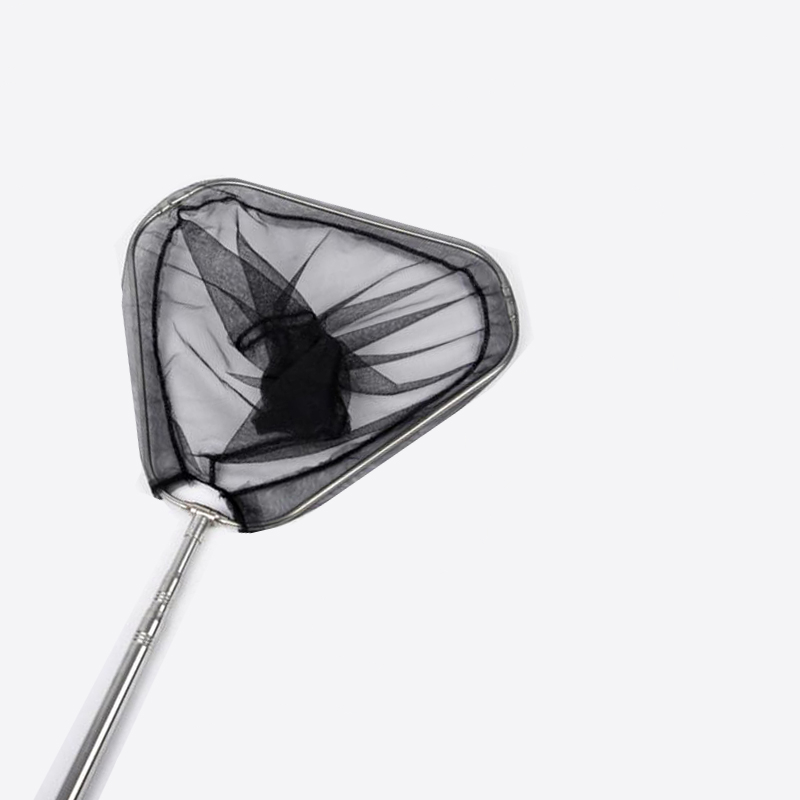
7. Plankton net: this is a specialized net for collecting live food.
8. Temporary rearing tank for food: koi fishkoi fishworms that have been collected or purchased cannot all be put into theaquarium, they should be fed according to the koi's food intake, and the surplus live food should be kept temporarily in the tank for later use.
9. Feeding rack: used exclusively for placing live food such as rotifers.
10. Mirror: used for planting aquatic plants and for feeding food.
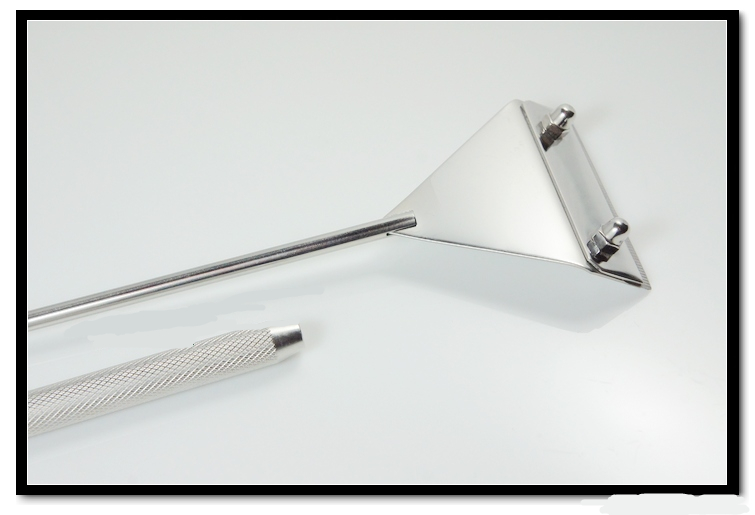
11. Algae scraper: also called a tank wiper, mainly used to scrape off the green moss or dust attached to the glass surface.
12. Magnetic brush: the growth of moss in a planted tank not only affects the visual effect of viewing , but also consumes dissolved oxygen, hindering the growth of koi and aquatic plants. The magnetic brush can use the principle of magnetic attraction to clean the algae and moss from the tank wall thoroughly.
13. Cloth: preferably soft gauze, used exclusively for wiping off dirt, water stains, etc. attached to the inner wall of the aquarium. After each use it should be rinsed clean, and must never be contaminated with oil or grease.
14. Measuring instruments: A water thermometer is used to observe changes in water temperature. There are two common simple thermometers, one is attached to the outer wall of the aquarium with adhesive, and the other is attached to the inner wall of the aquarium with a suction cup.
15. pH test paper or pH meter: regularly measure the pH value of the water so as to adjust the acidity and alkalinity of the water.
Others also include two-way connectors, three-way connectors, grass suction, etc.