-

What koi varieties are there? Detailed explanation of the culling method for Kohaku koi fry
Kohaku koi fry culling. When selecting Kohaku, on the head of the small fish you must see the edge of the red patch, and the white of the mouth must be exposed, or there must be a broken pattern behind the mouth; this must be very clear. At the same time, it is best to choose ones with a large pattern on the head; the red patch must not cover the eyes, and you must be able to see...
-
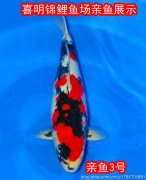
Which koi are easy to keep? Introduction to koi breeding methods
I. Selection of koi broodstock For broodstock used for breeding, generally choose those over 3 years old, over 60 cm in body length, with pure bloodlines, excellent color and quality, and strong physique. Generally, male koi can mature at one year of age, and female koi can mature at one and a half years, but at this time, due to genetic...
-
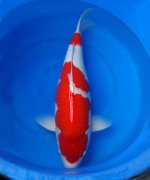
Which koi varieties have good colors, and what feed do they eat every day?
Daily feeding of koi Feeding is the most important part of daily management, and also the most interesting one. Every day beside the pond (or tank), watching the fish happily compete for the feed, the joy is truly endless. The feeding amount is something to pay attention to. Feed too little...
-
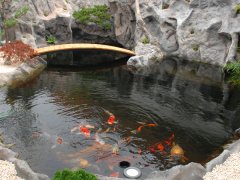
Tips for Selecting Juvenile Koi and Daily Breeding Management Methods
Daily management is very important when breeding koi. Since koi live in water, among the daily management tasks, water management ranks first. The quality of the water directly affects the normal growth of koi. When the water is fresh and clear with sufficient oxygen, the fish live healthily...
-
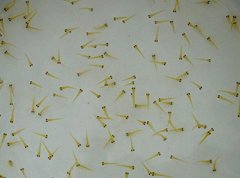
Which koi varieties are considered to have spirituality? Introduction to artificial breeding methods
Artificial breeding of koi 1. Artificial natural breeding of koi Select parent fish of the same variety with excellent quality and good bloodline, and place them in an independent clean water pond or net cage at a male-to-female ratio of 1 : (2~3) to let them spawn naturally. 2. Artificial dry-method insemination of koi Select parent fish of the same variety with excellent quality and good bloodline...
-
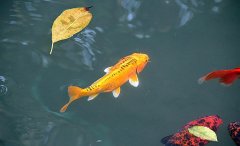
Which koi are easy to keep? The effect of probiotics on koi water quality
What effects do probiotics have on koi water quality? Koi are also very demanding when it comes to water quality, and probiotics can help create good water quality. What effects do probiotics have on koi water quality? They are mainly shown in the following three aspects: 1. The growth of some probiotics will...
-
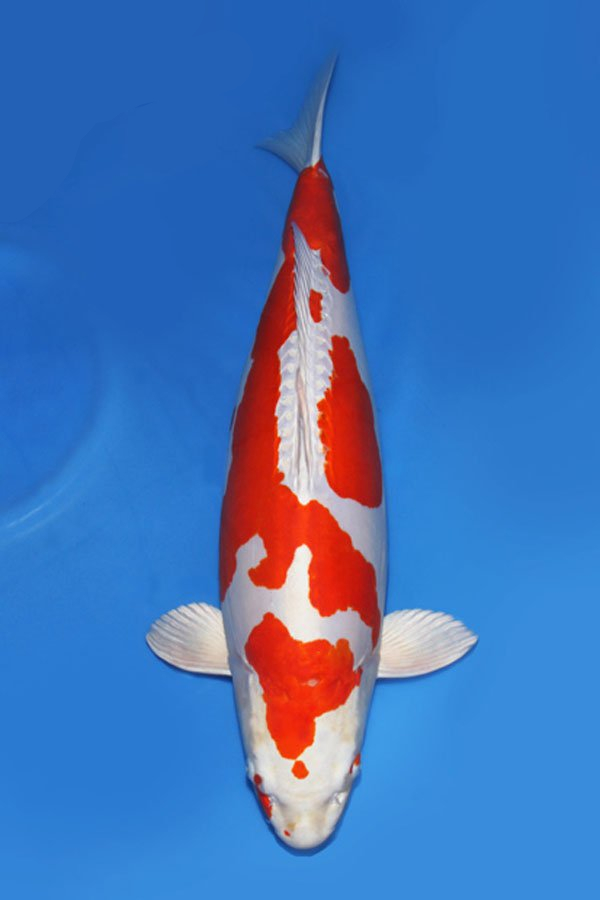
Are Kikusui koi easier to keep than Hakutsuru koi? A comparison of their keeping difficulty
Kikusui koi introduction The Kikusui koi belongs to the German-system Yamabuki Hariwake or orange Hariwake group, with the entire body base pattern being pure white throughout, and the body predominantly white, especially the head and back where the silvery white is particularly striking. Because it is a type of patterned metallic koi, its body surface...
-
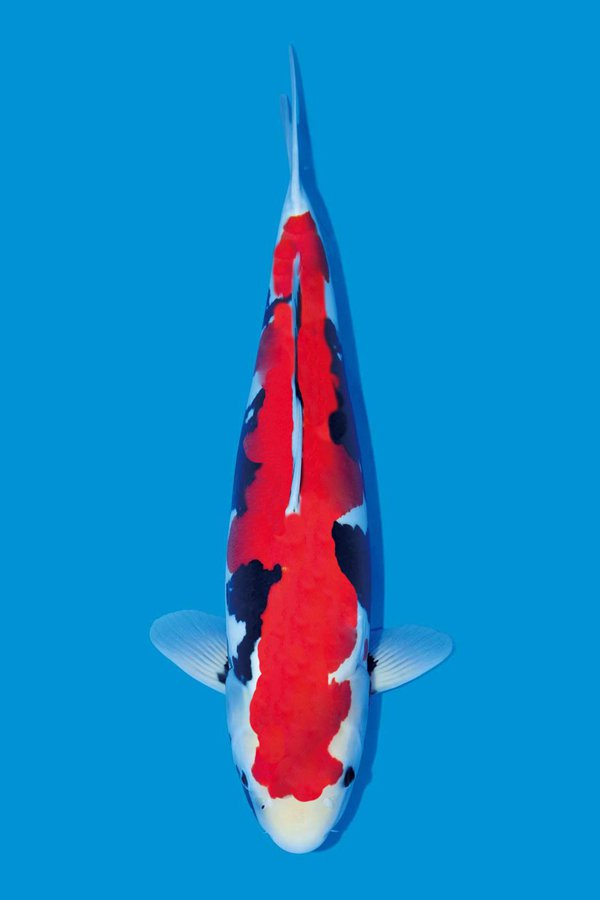
Breeding Tips for Aka Sanshoku Koi, How to Keep Matsuba Koi
Introduction to Aka Sanshoku Koi. Aka Sanshoku Koi refers to Taisho Sanshoku koi that have continuous red markings from the head, along the dorsal fin, all the way to the tail joint. Its visual characteristics are quite obvious and easy to identify, but the general opinion holds that its grade is not high. It combines black, white...
-
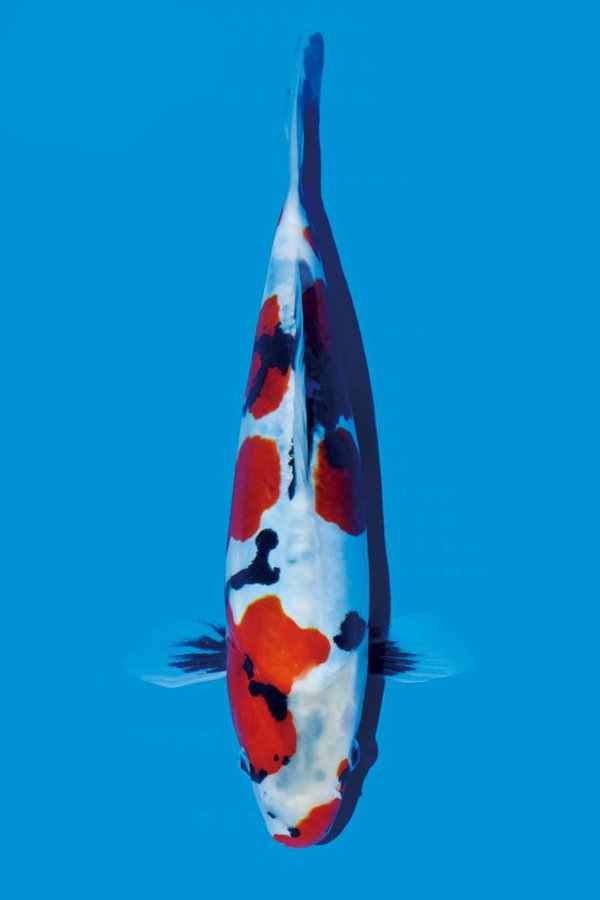
What are the main differences between Lipstick Sanke koi and Kohaku koi?
Introduction to Lipstick Sanke koi The lipstick trait, a localized feature, is very common in Kohaku koi, and likewise, Lipstick Sanke is also very common among Taisho Sanke. Lipstick Taisho Sanke is a koi with a small patch of red appearing on the mouth area, looking from the outside much like it is wearing lipstick. Lipstick...
-
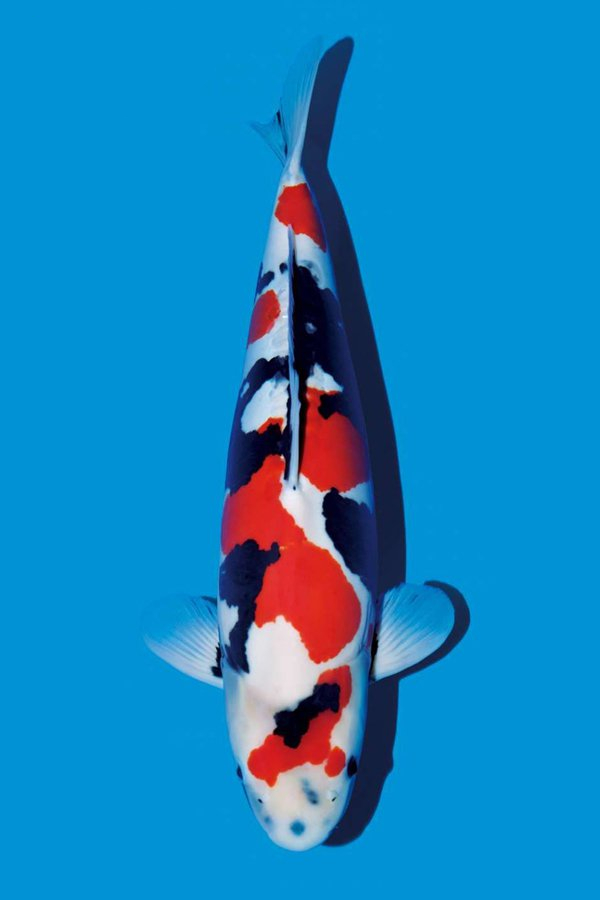
Are German Tri-color koi easy to keep, or is the Nine-striped Dragon easier to keep?
Introduction to the German Tri-color koi: The body of the German Tri-color is of the mirror carp type, belonging to the few-scaled or scaleless type of koi. Its markings are the same as those of the Red Tri-color, a Taisho Sanshoku koi with continuous red markings from the head through the back all the way to the caudal peduncle. Its red markings appear as a continuous pattern running through...
条件筛选