-
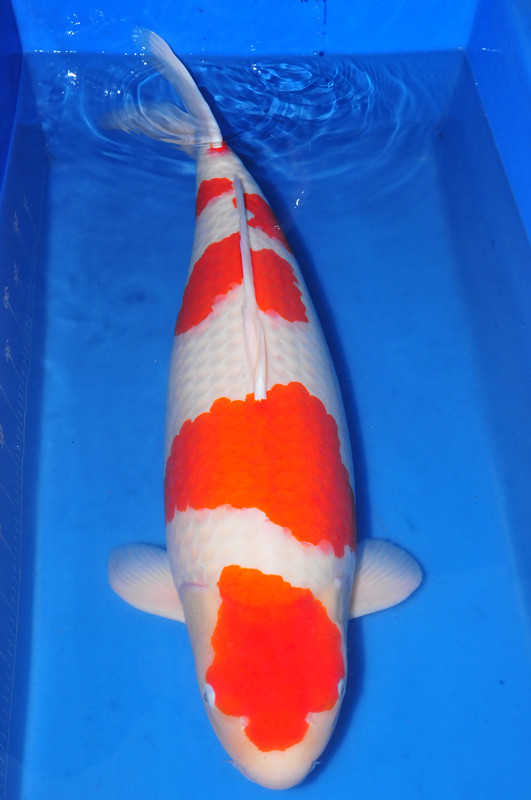
Selected individual photos of Japanese koi disease symptoms, size 59-71 cm
Japanese koi, selected individual photos, size 59-71CM. Size: around 59-71CM Breeds: Goshiki, Kohaku, Taisho Sanke, Showa Sanshoku, etc. Origin: Tamaura, Marudo, Hiroi, Isawa Koi Farm Service hotline: 0769-22983148/23091917 13711918531 QQ: 523980663/348306934 Contact address...
-
How to keep koi? Japanese koi National Fish Award champions by category, part 2
Japanese koi champions by category (National Fish Award), part 2. If you have any requests or opinions about the type of content, feel free to share them; I will try my best to improve it....
-
What to pay attention to when running a koi farm
Terry Gilecki was born in Canada in 1954 and graduated from the Commercial Art Academy in 1973. As market demand for Gilecki's work grew, Gilecki realized he had found his rightful place and devoted himself entirely to art. He is passionate about painting koi, and after a period...
-
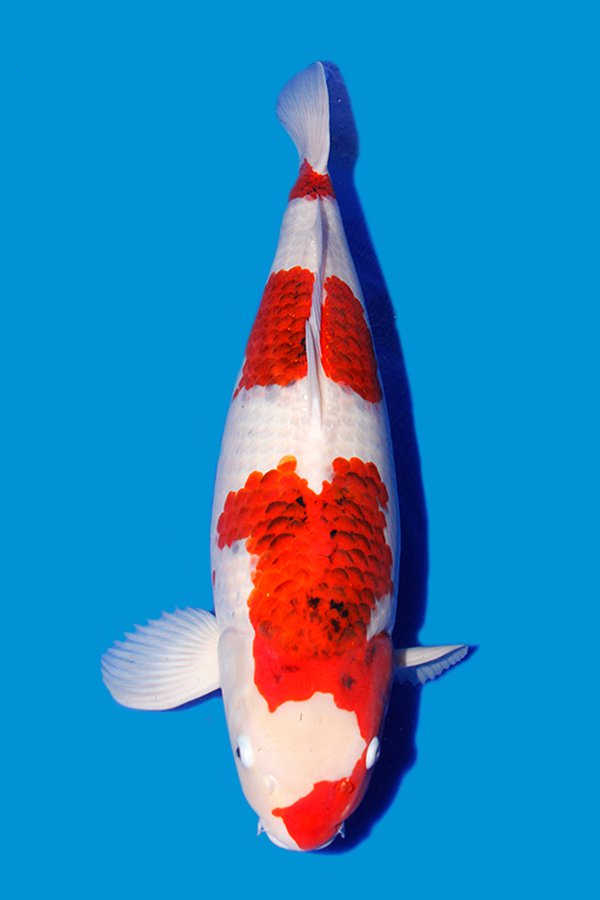
What should be noted in koi breeding? Yafeng Aquarium explains in detail for you
Yafeng Aquarium table salt, namely NaCL, plays a pivotal role in daily life, and its uses in ornamental fish breeding are also very wide-ranging. 1. The effects of salt on fish: 1. Disinfection and sterilization, different ratios can treat and prevent different fish diseases, mainly...
-
After buying new koi fish, stable water quality is the key to keeping them alive
People who keep fish at the Japanese Consulate-General in Shanghai probably all know about Japanese koi to some extent. As a traditional large ornamental fish of Japan, koi are precious and brilliantly colored, and are called "living works of art," "living gems in the water," and "the king of ornamental fish." However, as early as 2003, because Japan...
-
What are the common diseases of koi? Jinzhiyuan answers for you
Jinzhiyuan koi common disease: blood disease is mainly caused by fluorescent bacteria. First trick: 3-5% saltwater medicated bath for 15-10 seconds or strong chlorine 1ppm medicated bath. Sterilize the whole pond. Koi common disease: scale-standing disease is mainly caused by Pseudomonas punctata infection. In winter when the water temperature is low or...
-
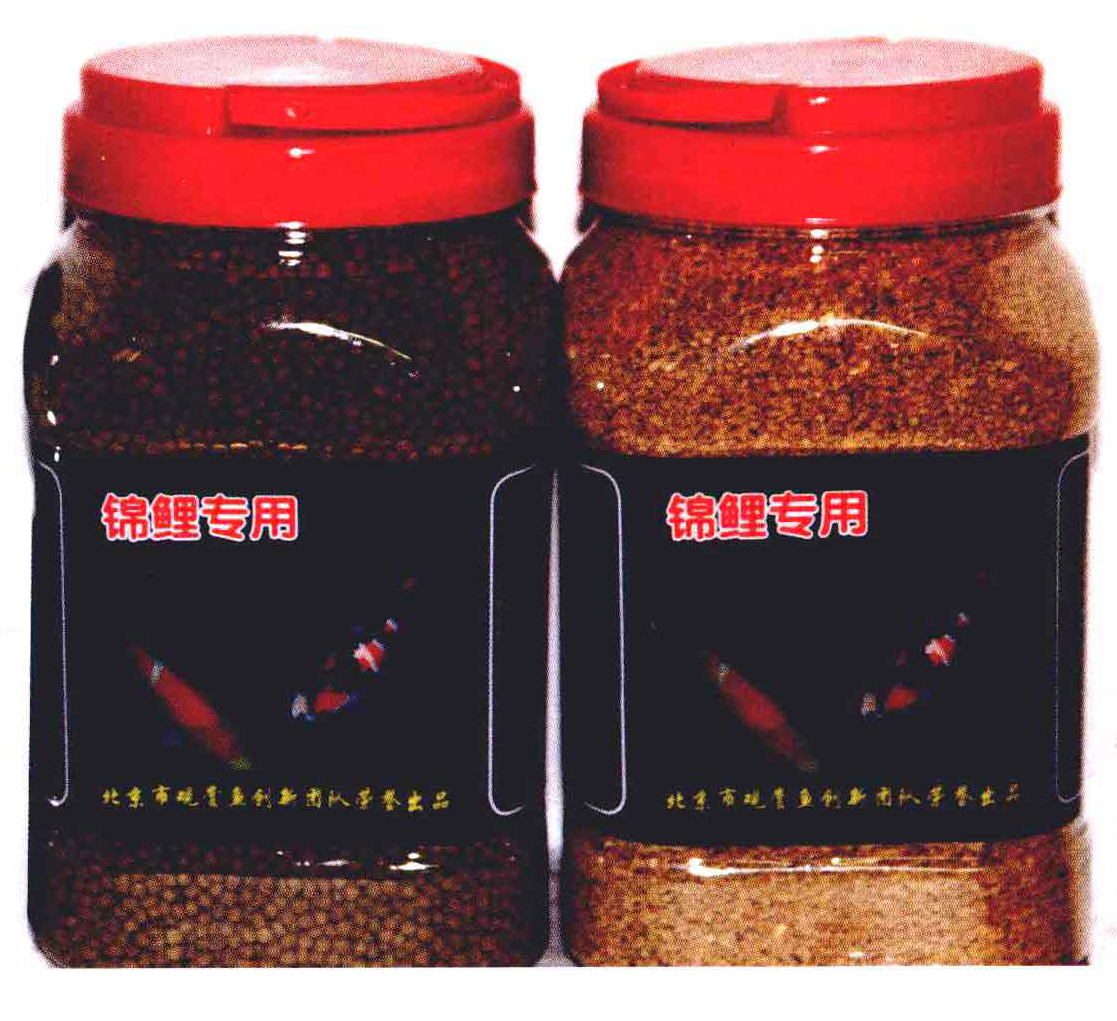
Detailed Guide to Koi Variety Selection Factors and Feed Knowledge
Koi feed can be divided into two types: natural bait and artificial compound feed. 1. Natural bait (1) Rotifers Rotifers have an extremely high reproduction rate and very high productivity, and are the opening feed for the larvae of most economically important aquatic animals. (2) Paramecia They are very small in size and widely distributed,...
-
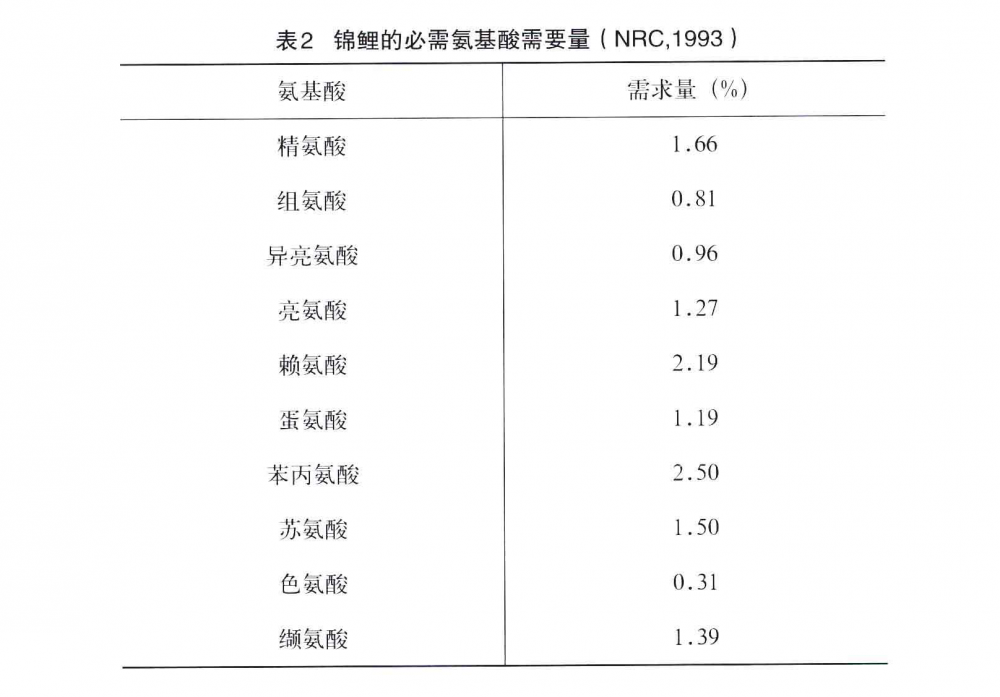
Koi Scoring Methods and Essential Nutritional Requirements
1. Protein and amino acids. The growth of koi requires high-quality protein, and high-quality protein must contain a complete range of essential amino acids in appropriate proportions; see Table 2 for details. 2. Fat and fatty acids. The physiological function of fat is to provide energy for koi, and it also plays an important role...
-
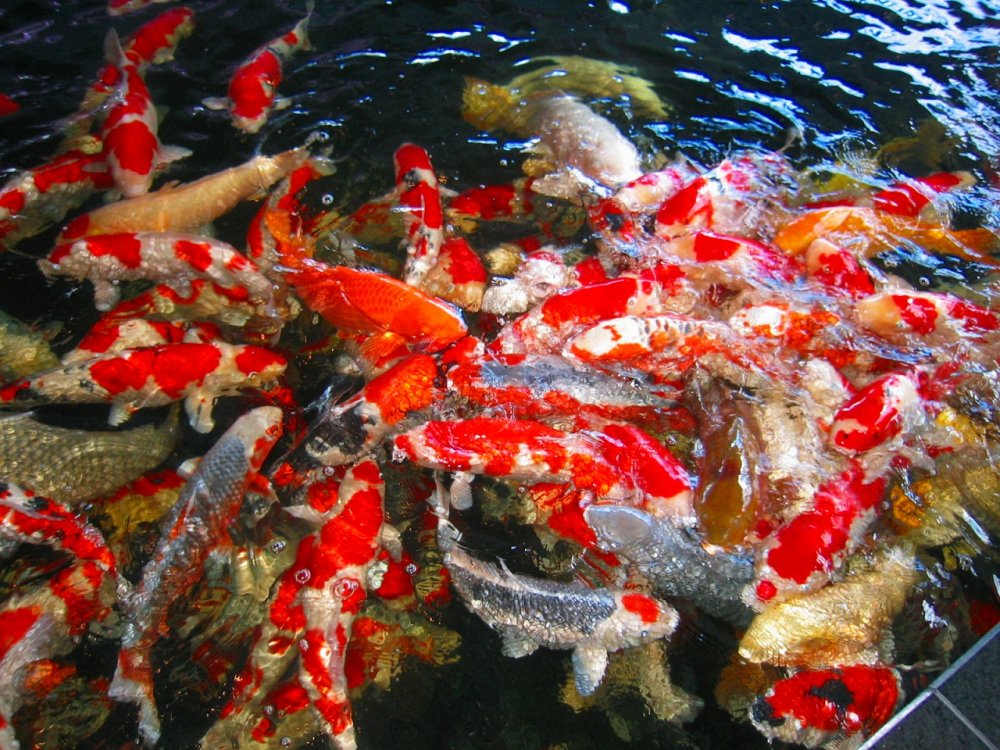
Which koi varieties are considered spiritual? A detailed guide to adult fish farming secrets
1. Stocking time: mid to late May. 2. Fingerling size: body length greater than or equal to 5cm. 3. Fish disinfection: before stocking the fingerlings, disinfect them using the following methods: ① 5% salt water solution, soak for 510min; ② 510mg/L potassium permanganate solution, soak for 510min. 4. Farming...
-
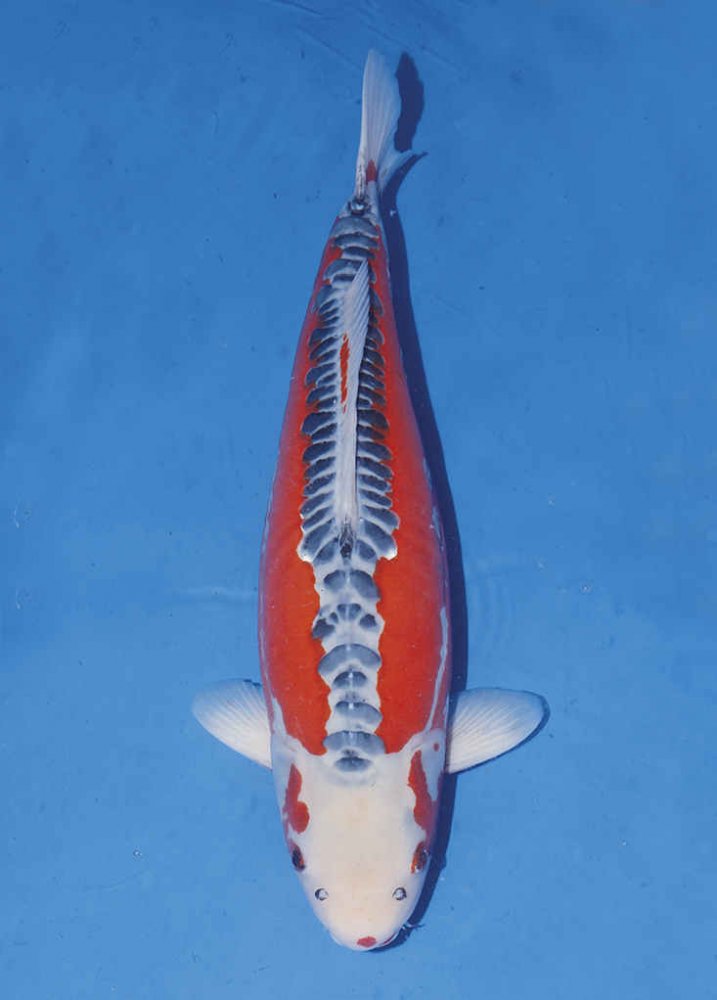
How do you cull Showa Sanshoku koi fry? Learn how to select koi in three minutes
Showa Sanshoku koi fry culling tips: Showa Sanshoku fry should undergo their first selection within 3 ~ 15 days of hatching, and this is very important. The fry that will eventually grow into Showa Sanshoku are gray-black; these gray-black fry grow relatively weakly and are fewer in number, while the others...
条件筛选