Introduction to the Key Cultivation Techniques and Field Management Methods for Asparagus cochinchinensis
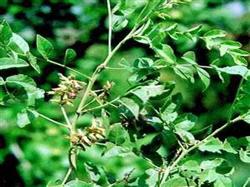
Asparagus cochinchinensis (Tianmendong) is a perennial climbing herbaceous plant in the genus Asparagus of the family Liliaceae. Its spindle-shaped tuberous roots, after processing, become the commonly used Chinese medicinal material known as Tiandong, which nourishes yin and moistens dryness, and clears the lungs and promotes fluid production. The plant prefers a warm, humid climate, has strong shade tolerance, and dislikes direct strong sunlight and waterlogging. It is mostly distributed in the hilly and mountainous areas of southern China, and is suited to growing in deep, loose, fertile, well-drained sandy loam.
In production, Asparagus cochinchinensis is mainly propagated in two ways: sowing seed and raising seedlings by division. For seed propagation, it is best to collect seed from robust mother plants, sowing either immediately after collection or after sand storage in spring; the division method is mostly carried out together with digging, selecting robust tuberous roots with buds and planting them separately, which gives a high survival rate and relatively quick results.
Planting out is best done on cloudy days or after rain, and after planting the soil should be watered thoroughly to settle the roots, with reasonable spacing between rows and plants. For field management, trellises should be set up to train the vines, or tall-stalked crops intercropped to provide shade; during the growing period, weeds should be removed frequently, and well-rotted organic fertilizer applied as a top dressing along with intertillage. Asparagus cochinchinensis is afraid of waterlogging, and standing water easily causes the tuberous roots to rot, so ditches should be cleared and drainage carried out promptly in the rainy season, and watered appropriately to retain moisture during drought.
For pest and disease control, attention should focus on root rot, red spider mite and the like, which can be managed through rational crop rotation, timely clearing of the garden and scientific use of pesticides. Generally, after three to four years of cultivation, the tuberous roots can be dug up; after digging, remove the soil, trim off the fibrous roots, boil in water until thoroughly cooked, then peel off the outer skin, and dry in the sun or by heat to obtain the commercial Tiandong. As long as growers master the key steps such as site selection, shading and drainage, they can lay a good foundation for a high yield.
Related Reading