How to Grow Stemona: A Detailed Guide to Site Selection, Seedling Raising and Field Management
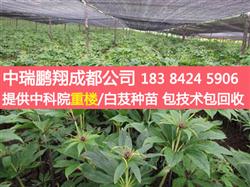
Stemona (Stemona japonica) is a perennial herbaceous plant of the family Stemonaceae. Its tuberous roots are used as medicine, and it is a commonly used traditional Chinese medicinal herb with effects such as moistening the lungs, relieving cough, killing insects and destroying lice. It prefers a warm and humid climate and is fairly cold-tolerant, but it fears drought and does not tolerate waterlogging. It grows best in deep, loose, fertile sandy loam with good drainage.
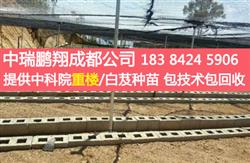
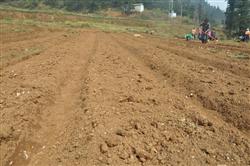
When planting Stemona, choose a plot that faces the sun or has slight shade. Before planting, plow the soil deeply and apply plenty of well-rotted farmyard manure as a base fertilizer while preparing the land. When preparing the land, rake the bed surface level and open drainage ditches around it, creating a loose, breathable soil environment for the tuberous roots to swell.
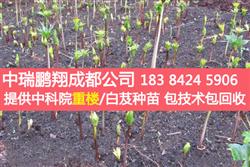
Stemona is mainly propagated in two ways: raising seedlings from seed and planting divided roots. Seeds can be sown in autumn, or sown in spring after stratification in sand; after emergence, pay attention to moisture retention and weeding, and transplant once strong seedlings have been grown. Root division propagation is mostly carried out before sprouting in spring: separate the tuberous roots that bear buds, plant them in the soil at a certain spacing between plants and rows, cover with soil, firm it down and water thoroughly.
The key points of management during the growing period are water, fertilizer and plant training. Keep the soil moist at ordinary times, drain promptly in the rainy season to prevent waterlogging, and apply appropriate topdressing along with intertillage and weeding to promote tuberous root growth. The stems and vines of some varieties are twining; when the vines grow too long, set up supports to train them, ensuring ventilation and light penetration.
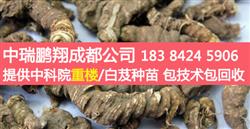
Stemona has relatively few pests and diseases; in daily care it is enough to watch for root rot and soil-dwelling pests. The tuberous roots are generally harvested in batches two to three years after planting. After digging them out, wash off the soil, remove the fibrous roots, and dry them in the sun or by artificial drying before they can be used as medicine or sold.
Related Reading